Craft activities are very popular among people of all ages. From 2021 to 2022, 32% of adults took part in at least one art or craft activity.
Benefits of arts and crafts for older people
Doing craft activities and other creative hobbies has many benefits:
You can maintain traditional skills or skills you have learned from past generations.
It can be an opportunity for self-expression and creativity.
The actual ‘doing’ of a craft activity can support your mental health.
Craft can give you a sense of achievement, enjoyment, and fun!
You could choose to make practical items like blankets or clothing for you, your family, or for charity. Handmade gifts are a great way to connect with your loved ones.
Craft for your mental health
Doing craft activities can support your mental health.
For your mental health, craft activities can:
Help achieve mindfulness, concentration, and relaxation
Strengthen your cognitive reserve, which means fortifying your thinking skills as you age
Craft to stay connected
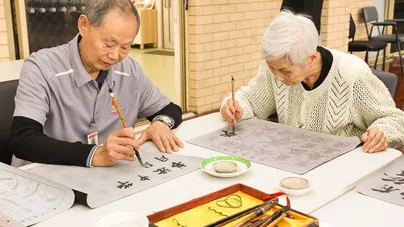
Crafting can be a very social hobby. It's perfect for spending time with others while working on your own thing. This takes the pressure off when it comes to making conversation.
Did you find this article useful?
Your feedback helps LiveUp to curate information that matters to you.
You might also be interested in these resources
Adaptive crochet needles
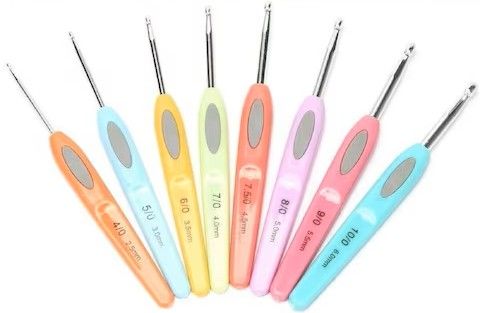
Adaptive crochet needles have a soft grip and tend to be slightly larger than normal to mke them easier to hold.
Most brands have a silicon handle or similar that makes the needles less slippery and larger. If you have trouble finding needles you...
Local craft stores often offer classes or groups to meet others or learn a new craft skill.
Check through your council for local craft meet-ups and coffee mornings.
Some travel organisations offer weekend getaways or travel tours for specific craft activities.
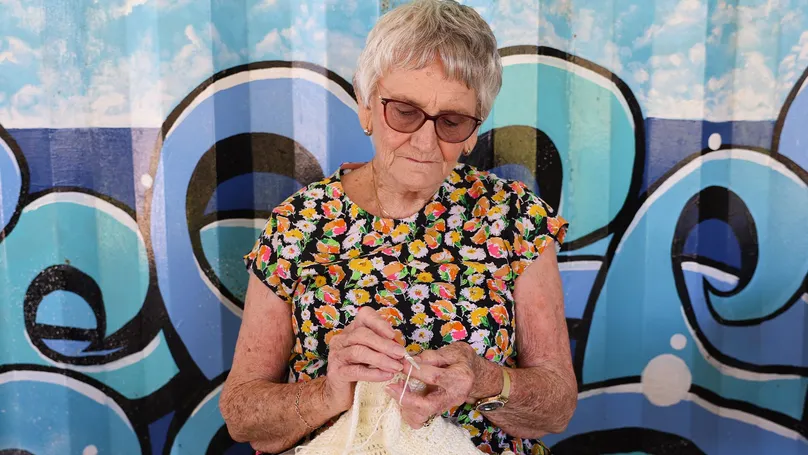
The Shorehaven Yarners: a crafting community
3 easy craft ideas for older people
Here are 3 popular and simple craft activities for older adults. It's possible to start these hobbies without spending a lot of money on equipment or materials.
1. Card-making and scrapbooking
Create your own sentimental keepsakes and gifts!
You'll just need some inexpensive supplies such as paper, tissue paper, card, scissors, and paper glue.
You can also enhance your homemade greeting cards or scrapbooks with assorted adornments. These could be anything from beads and ribbons to fabric scraps and other beautiful things.
Tool tip
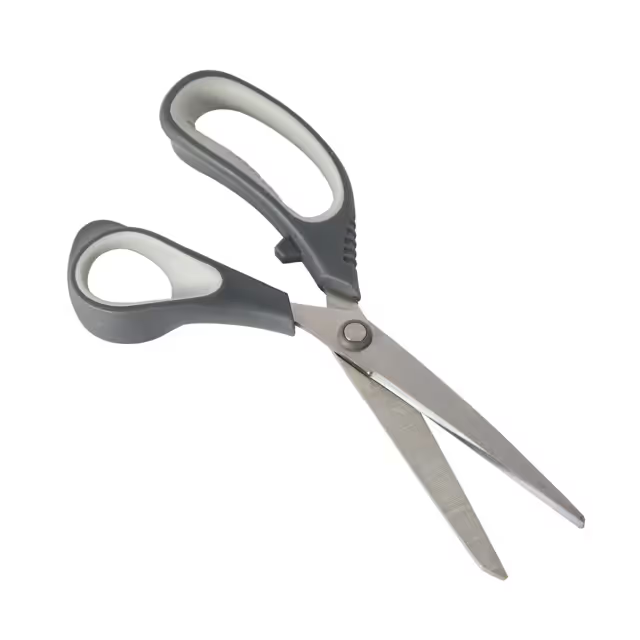
Some large-handled scissors may be useful if you feel pain in your hands when using small tools.
2. Object painting
If you want to start painting but don't know what to do with a blank canvas, you may enjoy painting rocks or other small objects. With acrylic paints, you can paint small, clean stones or other items like terracotta pots for your garden.
You can use super glue to attach little rocks to each other, to create all sorts of wonderful shapes for painting. These can be used as decorations or paperweights. You can also make some to be left in public places to brighten someone's day.
Tool tip
A multi-purpose grip tool might help you to grip a paintbrush with greater comfort and ease.
3. Knitting and crocheting
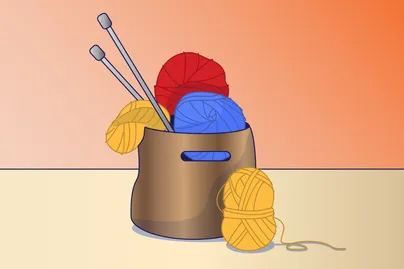
For knitting, all you need is yarn and knitting needles. You can start with an easier task, like knitting a scarf, and move onto the harder projects as your skills develop.
Crocheting is like knitting but uses a hook rather than needles.
Tool tips
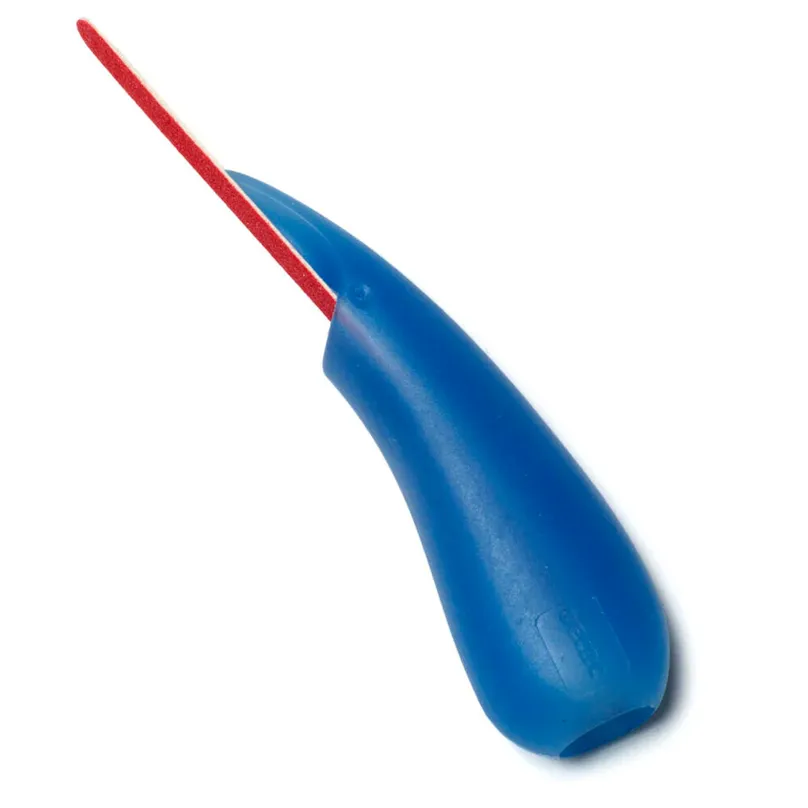
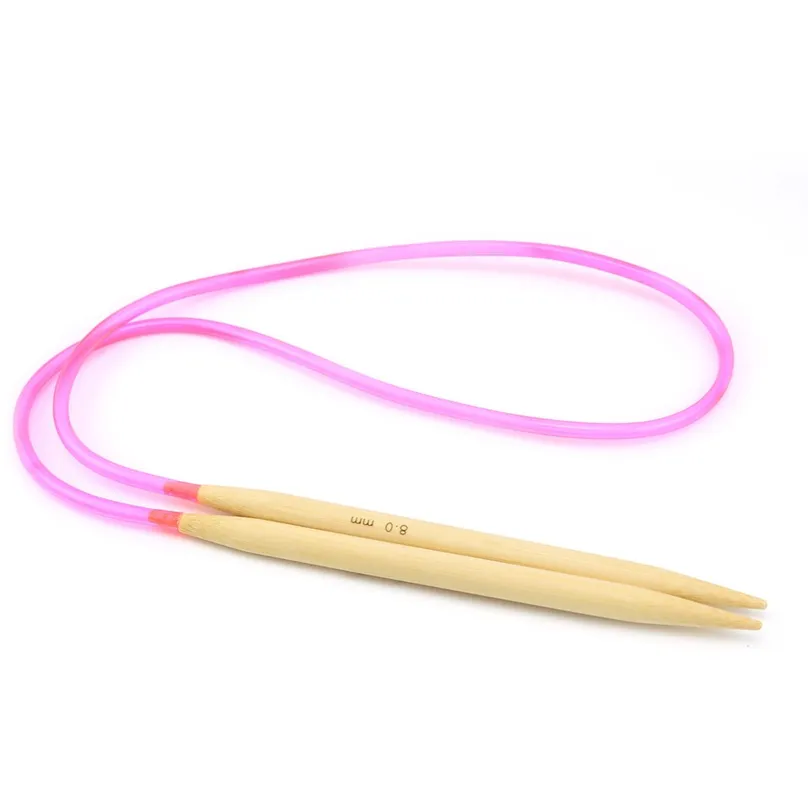
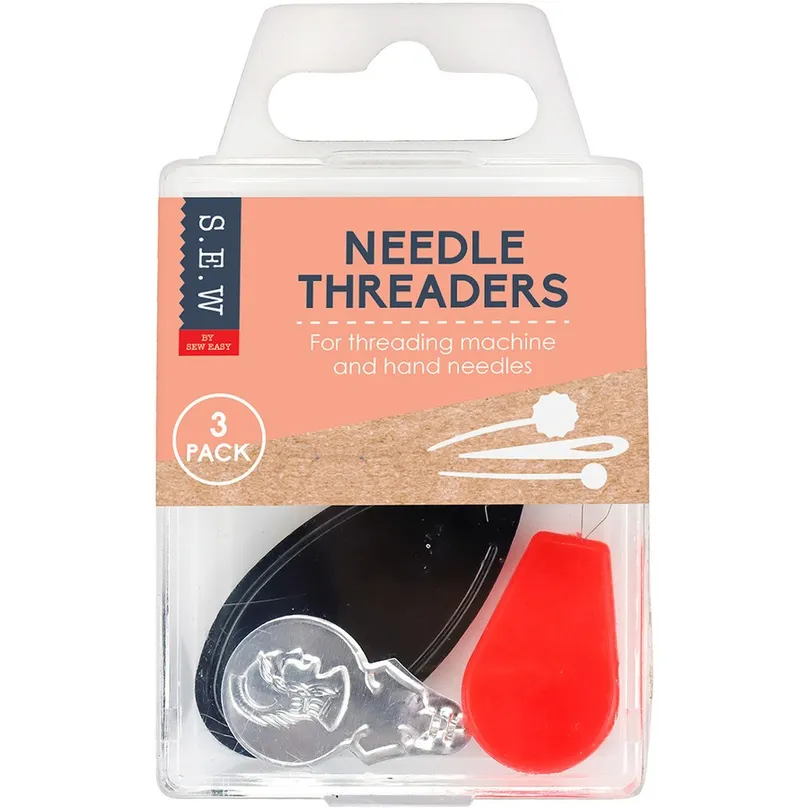
Needles and hooks can come in larger sizes or ergonomic shapes, to make crafting easier on your hands.
Here are some examples of ergonomic knitting tools:
LiveUp is a non-profit funded by the Health Department, so we don't earn money from these suggestions. We're not connected to any retailers or products in any way. Our goal is to help you find practical, cost-effective solutions that make everyday life easier.
More assistive technology for craft
As you get older, you may find it more difficult to continue with craft activities. This can be because of an injury or health condition, changes to eyesight, or general aches and pains.
Here are some other products that could help you keep doing the craft activities that you enjoy:
Magnifiers with built-in LED lights so you can see your project clearly
Ergonomic, soft grip craft tools that are comfortable to hold for longer periods
Stitch counters to help you keep track of stitches or rows for yarn crafts
Chart holders and magnetic boards to keep your patterns in place while you work
Tools designed for cutting threads and fabrics, such as a thread snips or rotary cutters (see how to use a rotary cutter)
Lap stands and hoop stands to hold your project while you work
Hand and wrist supports, such as gel rest pads (please note, it’s best to speak with an allied health professional before using a hand or wrist brace)
Getting support
An occupational therapist (OT) can help you adapt tasks and find products to help you keep crafting. An OT can help with suggestions to protect your joints and manage any pain you may have.
Mashinchi, G. M., McFarland, C. P., Hall, S., Strongin, D. L., Williams, G. A., & Cotter, K. A. (2023). Handicraft art leisure activities and cognitive reserve. The Clinical Neuropsychologist, 38(3), 683–714. https://doi.org/10.1080/13854046.2023.2253993
Fancourt, D., & Finn, S. (2023). The role of arts engagement in reducing cognitive decline and improving quality of life in healthy older people: A systematic review. Frontiers in Psychology, 14, 1232357. https://doi.org/10.3389/fpsyg.2023.1232357
How to use this information
LiveUp provides free information to help you make informed decisions about your health. This information is for general and educational purposes only, is not intended to provide a comprehensive guide, and does not replace medical advice. Everyone is different, so some of these tips may work better for you than others. You should use your own judgment and seek medical advice when applying this information to yourself, to determine if it is suitable in your circumstances. Your use of, or reliance on, this information is solely at your own risk. Independent Living Assessment Incorporated is not responsible or liable for any injury, loss, or damage caused as a result of your use of, or reliance on, this information.
Download and print this article:
You can print out the PDF and stick it to your fridge or file away the tips to revisit at a later time.
Read more Comfort articles
Did you enjoy this article? You may also like reading similar healthy ageing articles.