Strength & exercise
Enjoy the benefits of movement regardless of your age. Exercise is excellent for lowering the risk of falls and disease and improving health. It even strengthens social connections and improves brain function. Scroll down to see our free exercise guides.
0 Results found
Looking for an exercise video?
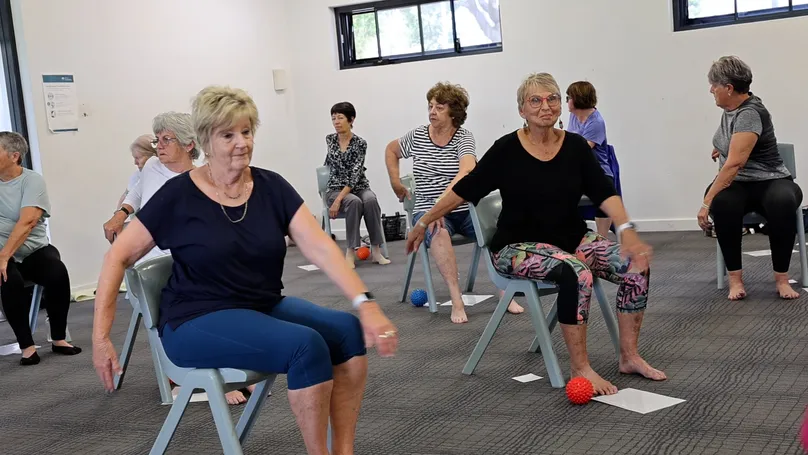
Kamilla Haufort, a healthy ageing consultant, helps you build strength and balance with this easy exercise class.
Go to exercise class video
Where to start
How much exercise is enough?
It’s no secret that exercise has a dramatic positive effect on ageing. But how much exercise should you do?
The answer is in the Department of Health's exercise guidelines for older adults. They recommend that older people do 30 minutes of moderate-intensity activity most days, and every day is even better.
If you can't do 30 minutes, start with 10 minutes and build up every 2 weeks by 5 minutes. Reducing the amount of time you spend sitting has huge health benefits, too.
Trying different activities is good for your mind and body. It also keeps things interesting!
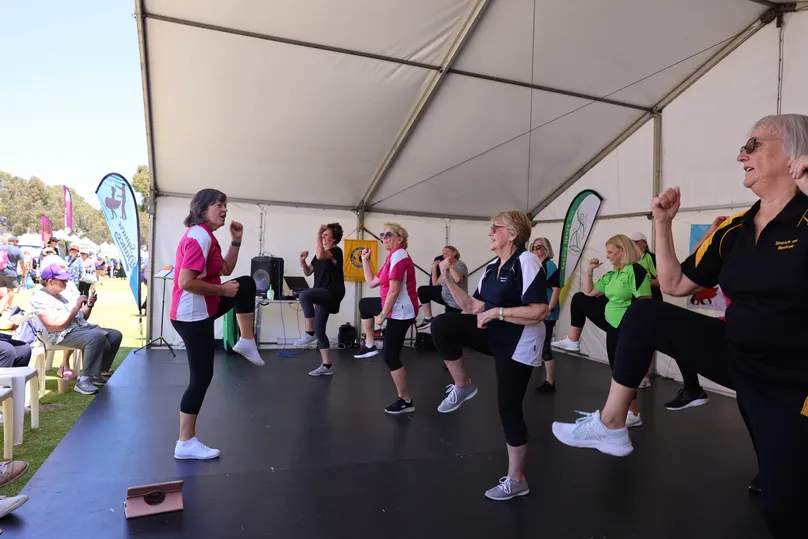
How exercise can help
The benefits of exercise for older people
- Reduce health issues, like type 2 diabetes, joint and bone conditions, heart disease, and some cancers
- Lower high blood pressure and high cholesterol
- Reduce the risk of falls and injury
- Produce more energy
- Improve mental health
- Increase sleep quality
- Improve concentration
- Lower stress and anxiety and improve quality of life

Exercise and chronic conditions
What about health conditions?
Simply increasing your daily activity can improve your health and positively affect how you age.
If you have an existing health condition, take the time to work out what's right for you. Talk to your doctor or specialist about what activity suits you.
- Heart problems, diabetes, or asthma - you could try moderate walking or swimming
- Arthritis - you could try hydrotherapy or swimming in a warm pool
- Osteoporosis - you could try weight-bearing and strengthening activities

Exercise guidelines
What is moderate intensity?
These activities make your heart beat faster and breathing a bit harder, but you're not completely exhausted.
Moderate-intensity exercise that's good for your heart, lungs, and blood vessels includes:
- Brisk walking
- Swimming or water aerobics
- Golfing with no cart
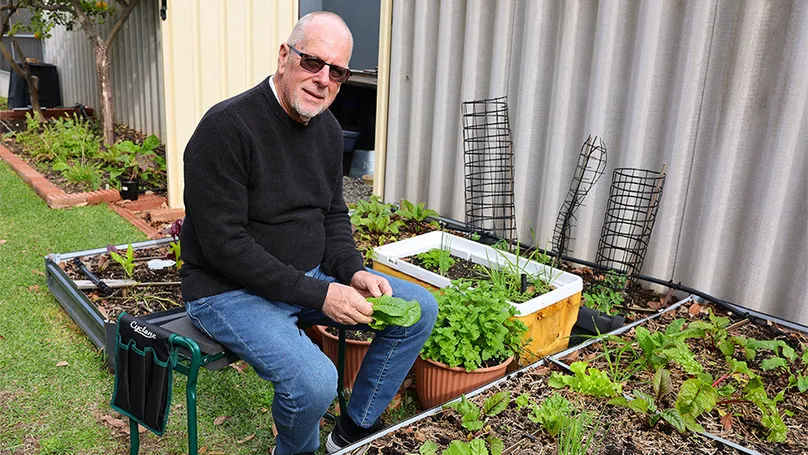
- Gardening
- Tennis
- Mopping and vacuuming

Activity ideas
What else can I do?
Strengthening, flexibility, and balancing exercises all contribute to greater independence and a higher quality of life:
- Climbing stairs
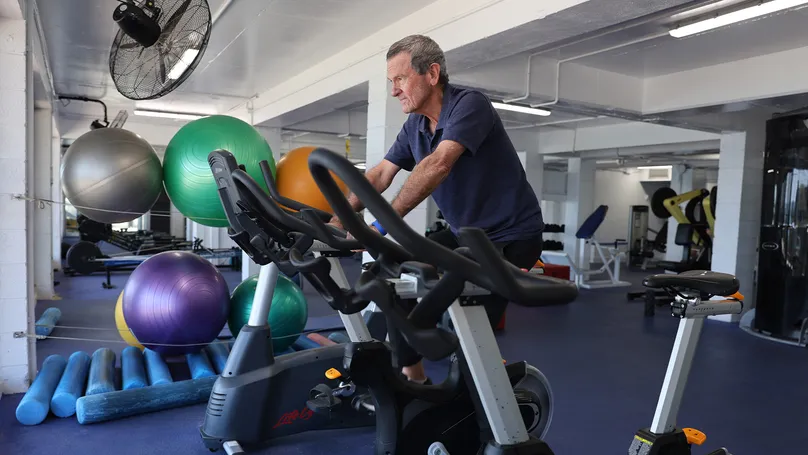
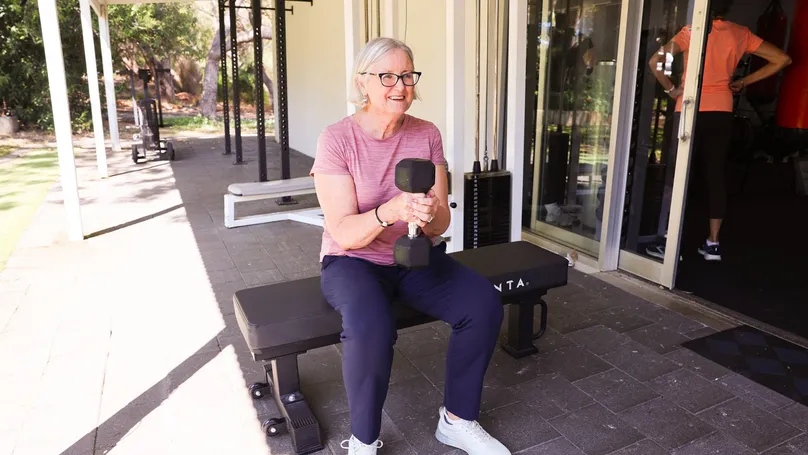
- Light weight training
- Tai Chi
- Bowls
- Yoga
- Dancing
- Resistance training