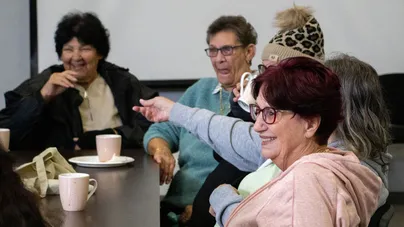
You have the right to access quality services that cater to your needs. You also have the right to inclusive and culturally safe services.
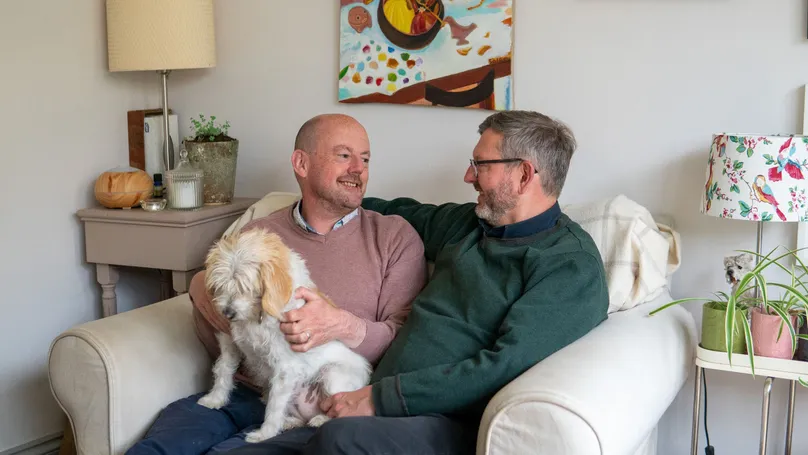
Many LGBTQIA+ people have experienced ill mental health at some point in their lives. This can be due to the long-lasting impacts of abuse and discrimination.
If you are struggling with your mental health, you are not alone. There are organisations you can safely turn to for information and support.
Call QLife on 1800 184 527 or chat online (from 3pm to midnight daily) for peer support and referral for LGBTQIA+ people.
ACON offers support, companionship, and advice for older members of the LGBTQIA+ community (50+) in NSW.
Anyone in Australia can speak to a trained Crisis Supporter any time of the day or night with Lifeline.
Call 13 11 14, text 0477 131 114, or chat online with LifeLine’s crisis support service, available 24/7.
Beyond Blue is a 24/7 mental health support service that connects you to a person to talk to on those days when things seem too much, or something isn’t quite right.
Call 1300 22 4636 or chat online.
The Suicide Call Back Service offers free professional 24/7 telephone counselling support.
Call 1300 659 467 or chat online.

Connecting with your community and sharing personal stories can help.
The services and supports section of LGBTIQ+ Health Australia provides a list of services and supports for older LGBTQIA+ people and for people providing care to older LGBTQIA+ people. The list includes links and contact information for:
Silver Rainbow is a project designed to improve the experiences of LGBTQIA+ people as they age. Silver Rainbow suggests that you look for these things when finding a service provider:
For many people, being an ally starts with friends and members of their own family. It can be as simple as asking someone about the kind of support they need. To be a good ally you can:
The good thing about being an ally for one group of people is that it can open your eyes to be an ally for everyone.
People don’t fit into just one box. For example, intersectionality is a term used to describe all the different identities a person has. If someone who identifies as LGBTQIA+ is also a person of colour, or also lives with a disability, they might be discriminated against because of each of these identities.
Listening is the most important thing. Listen and grow in your understanding and knowledge. This will help a lot to make your community a safer and more affirming place for everyone.
If you need more information, get in touch with one of our helpful team on 1800 951 971. You can read more about finding mental health support here.
You can also learn more by following the links below:
REACHOUT. (2023). What is an LGBTQIA+ ally, and how can I be a good one? https://au.reachout.com/articles/what-is-an-lgbtqia-ally-and-how-can-i-be-a-good-one
RUOK. (2023). LGBTIQ+ conversation guide and resources. https://www.ruok.org.au/lgbtiq
LiveUp provides free information to help you make informed decisions about your health. This information is for general and educational purposes only, is not intended to provide a comprehensive guide, and does not replace medical advice. Everyone is different, so some of these tips may work better for you than others. You should use your own judgment and seek medical advice when applying this information to yourself, to determine if it is suitable in your circumstances. Your use of, or reliance on, this information is solely at your own risk. Independent Living Assessment Incorporated is not responsible or liable for any injury, loss, or damage caused as a result of your use of, or reliance on, this information.
You can print out the PDF and stick it to your fridge or file away the tips to revisit at a later time.

Did you enjoy this article? You may also like reading similar healthy ageing articles.
See all Mental health articlesYour feedback helps LiveUp to curate information that matters to you.