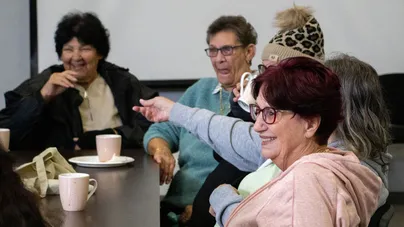
At some point in our lives, we all experience what it’s like to grieve the loss of someone or something we love and care about.
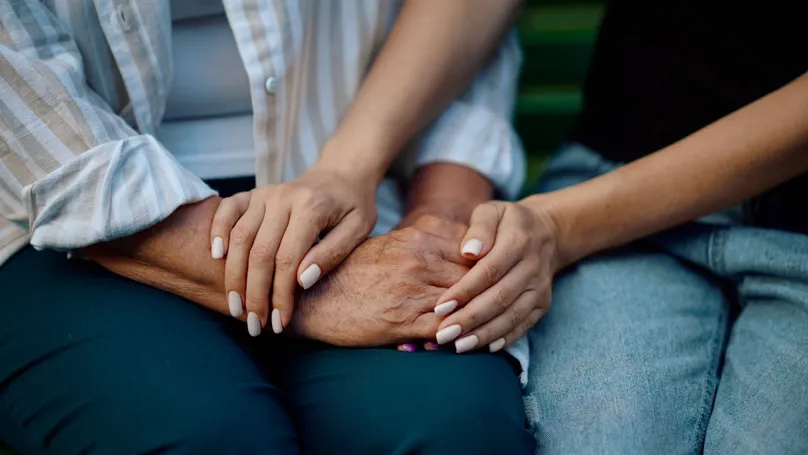
It could be losing a family member, spouse, pet, or leaving a family home. Whatever it is, grief and loss come in many forms and affect everyone differently.
You may have previous experience with these types of losses. It’s still incredibly important for you to get the help and support you need to deal with these difficult situations.
Grief can be a complex and difficult emotion to navigate. It's important to recognise and acknowledge the signs of grief to help manage and work through it.
5 common stages of grief
It’s important to remember the 5 stages of grief don’t always happen in order. These stages are:
- Denial – difficulty accepting the reality of the loss
- Anger – feeling frustrated or resentful about the loss
- Bargaining – wishing for a way to undo or change what has happened
- Depression – feeling sad, lonely, or hopeless
- Acceptance – beginning to find some peace and resolution with the loss, feeling more able to move forward with life
5 common signs of grief
There are several common signs that someone may be experiencing grief. These include:
- Confusion or forgetfulness
- Not wanting to eat as much, or losing weight without meaning to
- Seeming tired, sad, or irritable
- Difficulty sleeping, concentrating, and finding motivation
- Withdrawing from social activities and relationships
It's important to remember that grief affects everyone differently. Not all these signs will apply to every person.
Are you or is someone you know is struggling with grief? Seek support and care from a healthcare professional or a trained counsellor.
Helpful strategies
Grieving is a challenging experience. Even with the best support and coping mechanisms, it can still be difficult to navigate.
However, there are various tools and strategies that can be helpful during the grieving process. Here are some ideas that may be beneficial.
1. Stay connected with others
Healthy relationships support good mental health during grieving. Social isolation and poor relationships are risk factors for depression and anxiety.
Some people find sharing personal information a natural and easy thing to do. Others might need support from a health professional or community group to feel comfortable opening up.