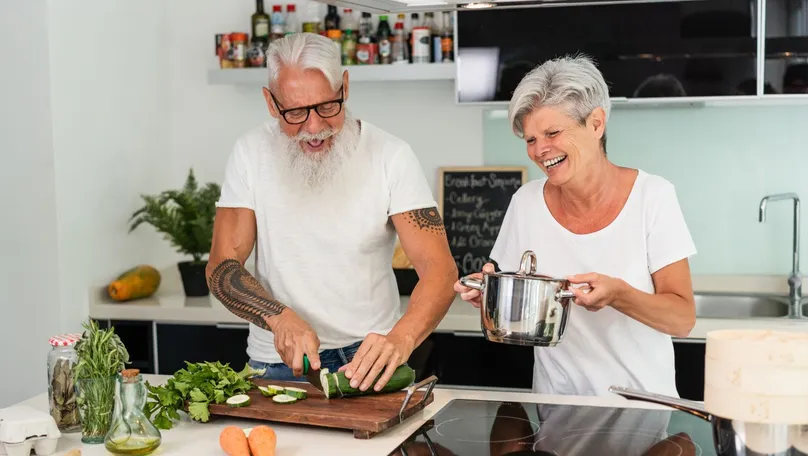
Maintaining healthy eating habits is vital as you age. These simple tips will help you plan, prepare, and cook nutritious meals with ease.
Cooking healthy meals as you age can be simple and sustainable. Here's how:
Thoughtful meal planning simplifies what to eat and shop for.
Efficient preparation makes cooking and portioning meals easier.
Proper storage keeps your food fresh and reduces waste.
Smart cooking methods make healthy cooking hassle-free.
By combining these strategies, you can save time and money in the kitchen and get the essential nutrients your body needs.
Step 1: Planning your meals
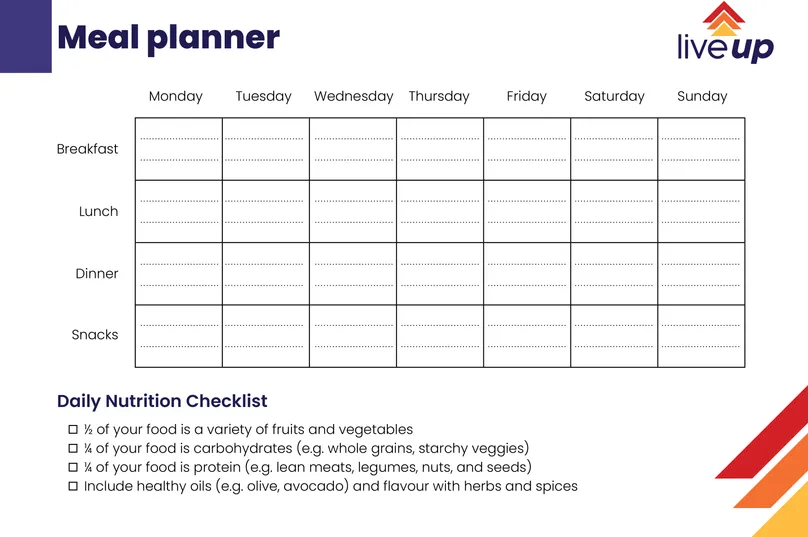
Meal planning focuses on what you'll eat, when you'll eat it, and what ingredients you'll need to buy. This helps you map out a nutritious and manageable menu for the week.
Here are 5 tips for creating an easy meal plan:
1. Set a planning day
Choose a day to select recipes for the upcoming week. Plenty of websites offer healthy recipe ideas to inspire you.
2. Simplify your shopping list
Start by checking your pantry for what you already have. Plan your meals based on these ingredients, then list what you need to buy. This way, you can shop efficiently and get everything you need in one trip.
3. Consider your dietary needs
When creating your meal plan, consider your dietary requirements as well as your preferences.
Aim for a variety of whole foods, while minimising highly processed items high in added sugars, salt, or unhealthy fats.
Include plenty of fruits and vegetables. This ensures you get your essential vitamins and minerals, such as calcium and vitamin D, along with enough fibre and protein. Learn more about meeting your nutritional needs as you get older.
For personalised advice, consult with your doctor or dietitian.
4. Plan for variety
You can keep your meals interesting by rotating themes and cuisines. For example, plan for seafood on Monday and poultry on Tuesday. Consider rice with lunch and cous-cous with dinner. Change up the fruits and veggies you include every day. You can also switch between bakes, roasts, and stir-fries throughout the week.
5. Don't forget about snacks
If you enjoy snacks, incorporate healthy, nutrient-dense options into your meal plan. Consider foods like nuts, carrot sticks with hummus, yogurt with fruit, or dried figs with cheese.
Did you find this article useful?
Your feedback helps LiveUp to curate information that matters to you.
You might also be interested in these resources
Learn the best eating habits for good health
Discover the best eating habits for good health. Learn how a balanced diet supports longevity, boosts immunity, and improves quality of life.
Now you have your plan, you can also take steps to prepare your meals or ingredients ahead of time.
What is meal prep?
Preparing your ingredients
Meal prep can include preparing and storing your ingredients for quick assembly later. For example, washing and chopping veggies, and storing them in the fridge to be cooked in a couple days.
Pre-cooking your meals
You could use one day a week to cook, portion, and store multiple meals for stress-free eating throughout the week. Cooking large quantities for storing and eating later is called batch cooking. It can be helpful if you have trouble cooking small servings for one or two people.
Food storage suggestions
Here are 5 tips for storing your ingredients and meals safely and efficiently:
1. Choose long-lasting foods
If you’re cooking in smaller quantities, stock up on shelf-stable and frozen items.
Canned and frozen fruits and vegetables keep their nutrients and last longer. Still, it's important to pay attention to use-by dates.
Always follow storage instructions on canned and packaged goods once opened.
2. Store fresh food wisely
For fresh, un-chopped greens, wrap them in a damp paper towel and store them in the fridge’s crisper drawer. This keeps them fresh longer. Once cut, store them in covered containers.
Always check use-by dates and be mindful of high-risk foods, such as:
Raw meat and seafood
Minced meat and processed meats like ham and salami
Some dairy products, such as custards
Cut fruit and salads
Keep high-risk foods below 5°C or above 60 °C. This reduces your risk of food poisoning. Store foods according to label instructions. Use chopping boards or sheets and avoid contaminating your kitchen surfaces or other foods.
3. Freeze meals
If you often cook more than you can eat, batch cooking could be for you. You can prepare large quantities and freeze the leftovers for later. Simply store your desired portions in separate containers for easy reheating.
Remember to label your frozen leftovers with their contents and the date you froze them. This helps you keep track of your inventory and avoid freezer burn.
You can also reinvent your meals when you defrost them. Enjoy them with new dressings or side salads. If you have puff pastry, consider turning your frozen bolognese into a pie filling!
For safety, avoid freezing foods that have already been thawed to room temperature. Check the labels of meats, seafoods, and other goods that may have been thawed already to see if they’re safe to freeze.
4. Use the right containers
Always store food in covered containers. You can buy them from places like IKEA or Kmart.
For the fridge and pantry, use airtight containers (plastic or glass).
For freezing, both flexible bags and rigid containers work well. Strong glass containers with leak-resistant lids are the most durable. These are generally safe for oven and microwave use, too (without the lid).
It's not always safe to move a container straight from the freezer to the oven or microwave, so check the manufacturer’s instructions before doing so.
5. Use storage space efficiently
Putting your food in containers that aren't too big will help you to store it more efficiently.
You can use a turntable in your fridge to make it easier to store and reach items.
If you don't have a lot of freezer space, consider freezing your food in compact containers or flexible bags. For example, you can fill a resealable bag with soup and lay it flat in the freezer. It will freeze in a thin, flat shape that doesn’t take up as much space. Simply move it to the fridge in the morning to defrost in time for dinner.
Step 3: Consider how you cook
Planning and prepping your food can make cooking healthy meals much simpler. You can make it even easier with the right cooking methods, recipes, and resources.
Here are 5 tips to make cooking healthy meals easier:
1. Consider healthy cooking methods
Consider healthier cooking methods like steaming, grilling, and baking. If you prefer frying, consider using less oil, opting for non-stick pans, or trying an air fryer.
2. Use helpful kitchen tools
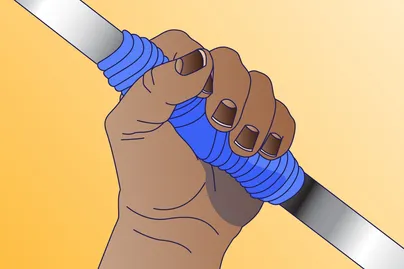
Investing in helpful kitchen tools and appliances can make cooking easier. These gadgets can save you time and pain. For example, you can chop your ingredients with an automatic chopper or a chopper and board that's easy on your wrists and fingers.
When following recipes, don't be afraid to substitute ingredients for ones that suit you better. For example, you could use wholegrain bread instead of white bread, or tzatziki in place of mayonnaise.
Most recipes are designed to serve 4 to 6 people, but you can adjust them to feed 1 or 2 as needed. For instance, if a recipe calls for half a cup of tomatoes and you want to make half the quantity, you’ll only need a quarter cup.
5. Join a cooking class
Join a cooking class to learn new recipes and meet new friends. It's a great way to stay connected with your community and make cooking more fun. You can find classes that teach specific dishes or cuisines and choose what interests you most.
Get in touch with LiveUp
Eating well is a big part of taking charge of your health as you age, but it doesn’t have to be complicated. With a little planning, preparation, and smart cooking, you can enjoy healthy, delicious meals. For help finding information, resources, or activities in your area, call us for free on 1800 951 971.
LiveUp provides free information to help you make informed decisions about your health. This information is for general and educational purposes only, is not intended to provide a comprehensive guide, and does not replace medical advice. Everyone is different, so some of these tips may work better for you than others. You should use your own judgment and seek medical advice when applying this information to yourself, to determine if it is suitable in your circumstances. Your use of, or reliance on, this information is solely at your own risk. Independent Living Assessment Incorporated is not responsible or liable for any injury, loss, or damage caused as a result of your use of, or reliance on, this information.
Download and print this article:
You can print out the PDF and stick it to your fridge or file away the tips to revisit at a later time.
Read more Nutrition articles
Did you enjoy this article? You may also like reading similar healthy ageing articles.