Gardening can help keep you fit, mobile, and happy at any age.
The benefits of gardening as you age
Gardening is one of the most popular activities in Australia. It combines movement, creativity, and time outdoors, all of which can help you stay healthy as you age.
Some key benefits of gardening include:
Staying active and improving your strength, balance, and endurance
According to a 2020 review in BMJ Open, gardening supports many aspects of your health. These benefits work together to help you age your way:
Mental health: Tending to the garden calms your nervous system. It helps you manage emotions, reduce stress, and build self-esteem.
Physical health: Activities like digging, watering, and pruning count as daily exercise.
Social life: Community gardens and clubs help you connect with others. You can learn new skills and feel supported.
Did you find this article useful?
Your feedback helps LiveUp to curate information that matters to you.
You might also be interested in these resources
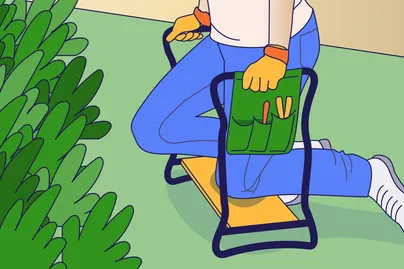
Garden kneeler with handles
A garden kneeler is a handy tool for the garden that combines a foam kneeling pad to protect your knees with garden tool storage, handles at the side to help you get back up to standing, and some models also turn over to become a little seat....
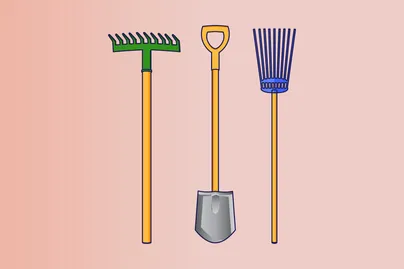
These garden tools have long handles that allow you to stand and use your whole body while gardening rather than just your upper body, wrists, and hands.
Standing to dig, turn over soil, and rake can significantly decrease the amount of effort...
Adaptive gardening tools comprehensive guide for older adults | Stay active & safe
Explore a comprehensive range of adaptive gardening tools for older adults in Australia. Ergonomic, long-handled, and low-risk tools make gardening easier and safer.
Brain health: Designing and caring for a garden is a purposeful activity. It gets you thinking creatively, which is good for your brain. Reducing stress, staying active, and connecting with others also help protect your brain and memory over time.
Tips for gardening safely as you age
LiveUp’s allied health professionals recommend these simple ways to stay safe while gardening:
Wear sunscreen, a hat, gloves, and supportive footwear.
Garden in the morning or late afternoon to avoid heat.
Keep a chair and water bottle nearby and take regular breaks to drink water.
Change positions regularly and avoid kneeling or bending for too long.
Clear walkways of hazards and ensure they’re even and non-slip.
Stretch before and after gardening to prevent injury.
Gardening tools and products to make tasks easier
A few garden tasks may become harder with age, injury, or arthritis. Some low-risk assistive technology (AT) can help you keep gardening – with less strain.
AT might sound complicated, but it just refers to products that make everyday life simpler. Some useful gardening AT options include:
Raised garden beds and vertical wall gardens – bring plants within easy reach
Retractable hanging baskets – so you don't need to stretch as much
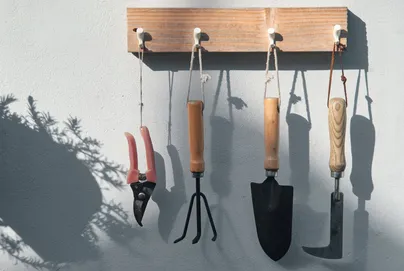
Easy-grip or long-handled tools – reduce hand, wrist, and back strain
Can’t find an OT in your area through OTA? You can also check Healthdirect’s tool for finding an OT by location.
If you need more information about healthy ageing, take the LiveUp quiz or get in touch with one of our helpful team on 1800 951 971.
References
Howarth, M., Brettle, A., Hardman, M., & Maden, M. (2020). What is the evidence for the impact of gardens and gardening on health and well-being: A scoping review and evidence-based logic model to guide healthcare strategy decision-making on the use of gardening approaches as a social prescription. BMJ Open, 10(7). https://bmjopen.bmj.com/content/10/7/e036923
How to use this information
LiveUp provides free information to help you make informed decisions about your health. This information is for general and educational purposes only, is not intended to provide a comprehensive guide, and does not replace medical advice. Everyone is different, so some of these tips may work better for you than others. You should use your own judgment and seek medical advice when applying this information to yourself, to determine if it is suitable in your circumstances. Your use of, or reliance on, this information is solely at your own risk. Independent Living Assessment Incorporated is not responsible or liable for any injury, loss, or damage caused as a result of your use of, or reliance on, this information.
Download and print this article:
You can print out the PDF and stick it to your fridge or file away the tips to revisit at a later time.
Read more Social articles
Did you enjoy this article? You may also like reading similar healthy ageing articles.