This is LiveUp’s full guide to helpful gardening tools. These items can make gardening easier and more enjoyable for older adults.
This comprehensive guide is for older adults who want to reduce strain and pain from gardening. You can scroll through this page to find a bunch of recommendations for helpful garden tools.
The tools in this list are grouped into 5 categories based on the challenges they help with:
Bending and kneeling
Reaching
Pushing and carrying
Hand pain
Organisation and safety
With the right tools, gardening can stay enjoyable and safe – even if bending, lifting, or gripping feels harder than it used to.
Gardening tool recommendations
Our occupational therapists (OTs) have curated this list of garden tools ideal for older adults. OTs are experts in finding practical solutions that help older people keep doing the things they love. These tools can make gardening easier and more enjoyable, so you can stay active outdoors.
LiveUp is a non-profit funded by the Health Department, so we don’t earn money from these suggestions. We’re not connected to any retailers or products in any way. Our goal is to help you find practical, cost-effective solutions that make everyday life easier.
Tools to reduce pain from bendingandkneeling
Garden kneelers or pads
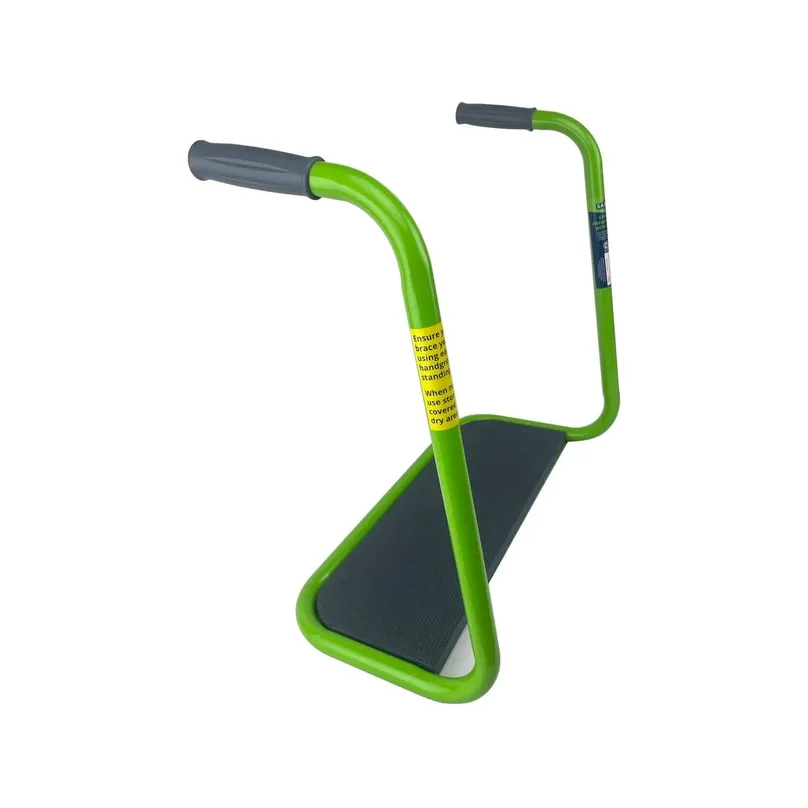
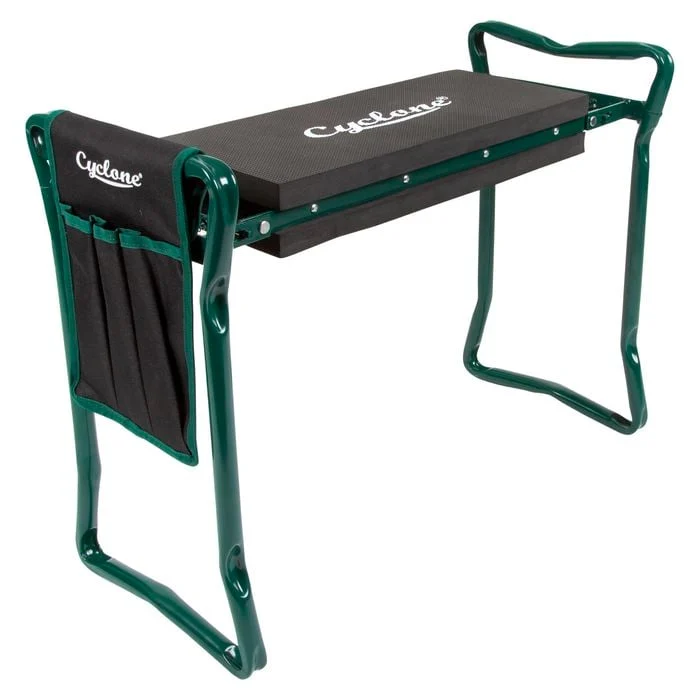
Cushioned pads can reduce pressure on your knees and provide comfort while kneeling. Some garden kneelers also have handles to assist in getting up from the ground.
Garden seats and stools
Garden seats allow you to sit while you work in the garden, giving your knees and back a break. A directors aluminium folding chair can also be suitable for soft ground.
Did you find this article useful?
Your feedback helps LiveUp to curate information that matters to you.
You might also be interested in these resources
Gardening for healthy ageing | Benefits of gardening for older adults
Discover how gardening can boost fitness, brain health, and mental wellbeing for older adults. Tips for safe, enjoyable gardening and joining community gardens in Australia.
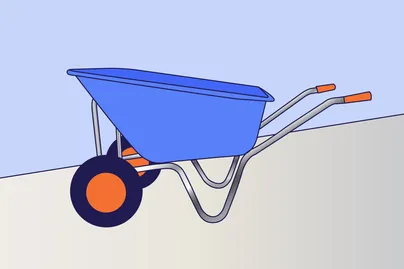
A wheelbarrow is a safe and easy way to transport your tools around the garden so that you can do fewer steps to and from the garage or shed to get what you need.
You can also use a wheelbarrow to lift heavier garden waste to the green bin, using...
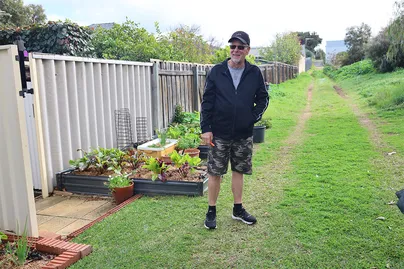
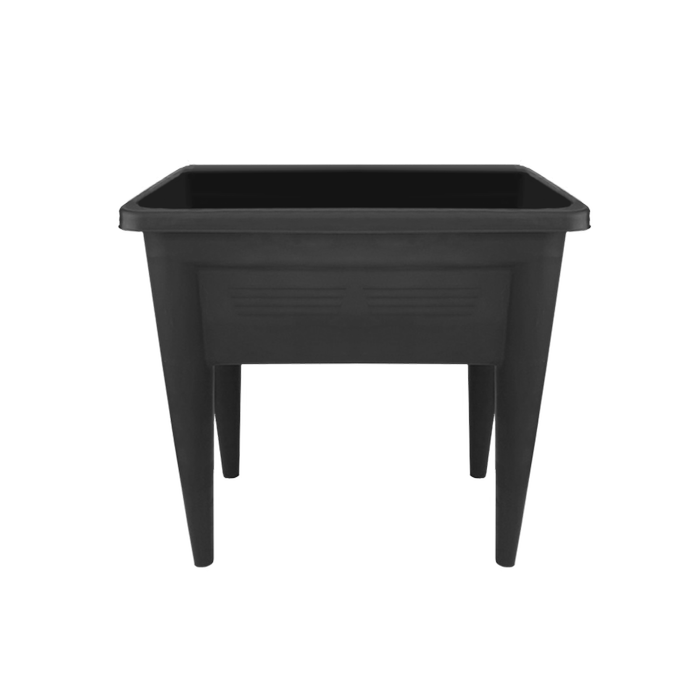
Vertical or raised garden beds can bring your plants up to a convenient height for you. Men’s Sheds can sometimes help build raised garden beds. You’ll need to give them the materials and instructions and donate towards their shed.
Retractable hanging planters
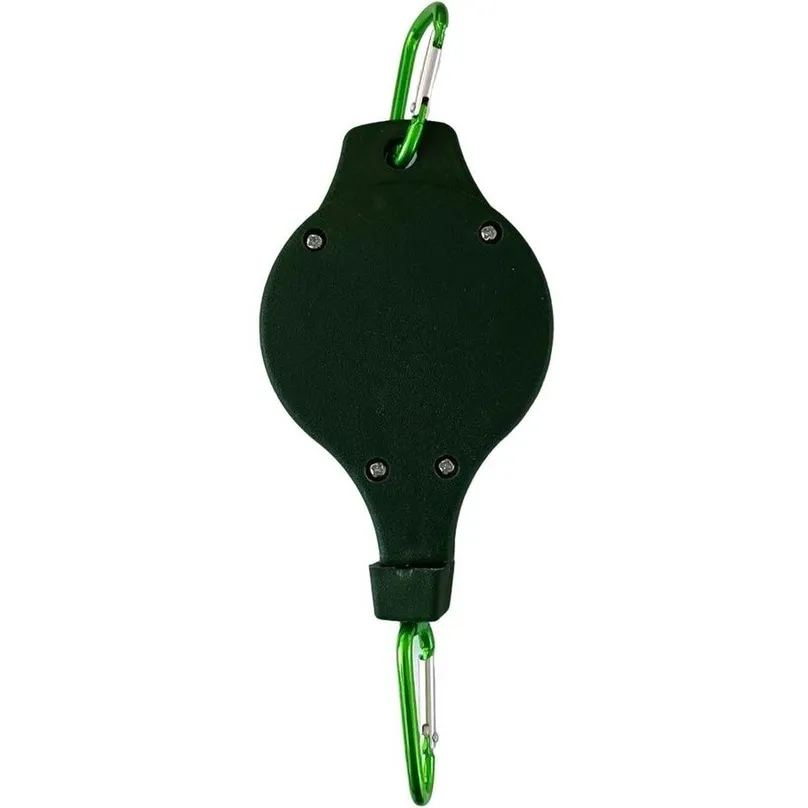
Hanging planters reduce the need to bend down to reach pots on the ground. For added convenience, consider using a retractable plant hook to hang your planters. This eliminates the need to stretch or climb to reach high baskets. Simply pull or push the plant hook pulley to adjust the basket to your ideal level.
Tools for reaching tough spots
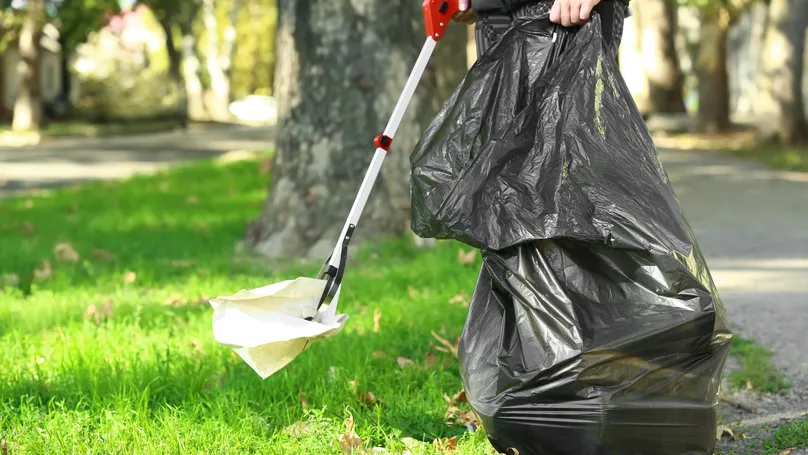
All-purpose pick-up tools
You can use an easy reacher to pick up small items like empty pots, seedling punnets, rubbish, or garden debris – without bending down.
Mid-length gardening tools
Easily reach into lower garden beds while sitting. You can also use these to work in raised garden beds while standing.
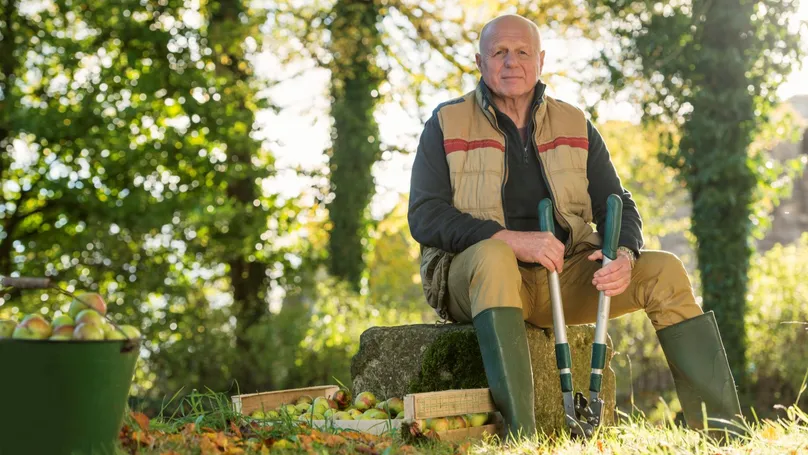
Long-handled gardening tools
Long-handled tools help you reach the ground for tasks like weeding or pruning while standing, and reduce stooping.
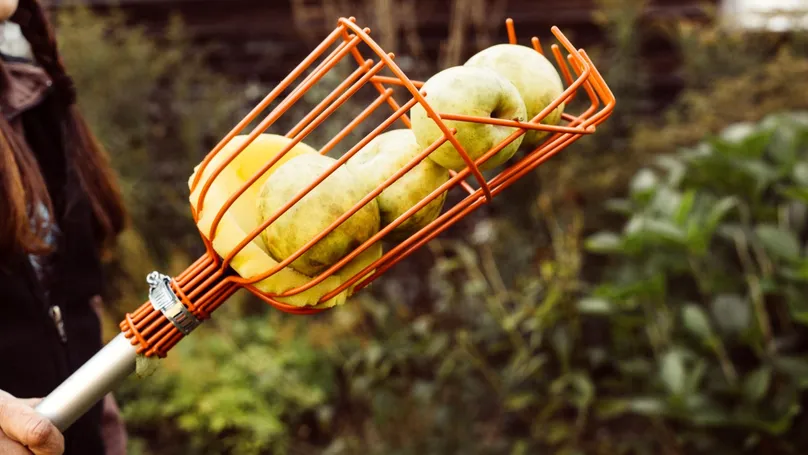
Fruit pickers
Reduce ladder use and overreaching when picking fruit. Simply capture fruit in the basket at the top end of a long stick.
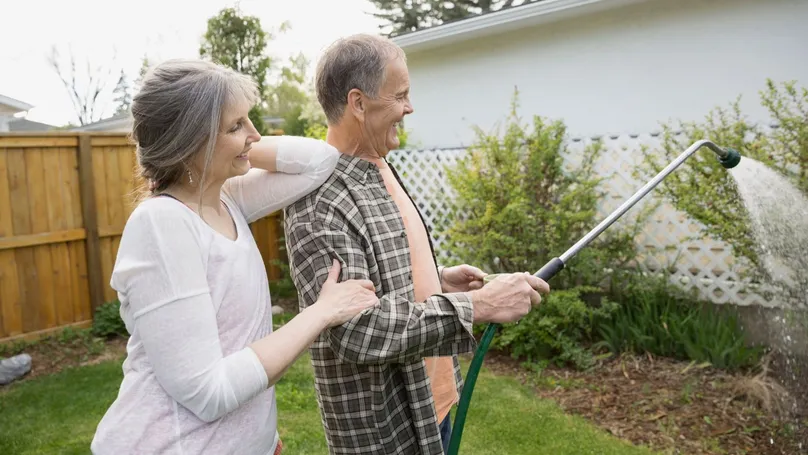
Watering wands
Watering wands help you water difficult-to-reach spots with a gentle spray.
Tools for pushing and carrying
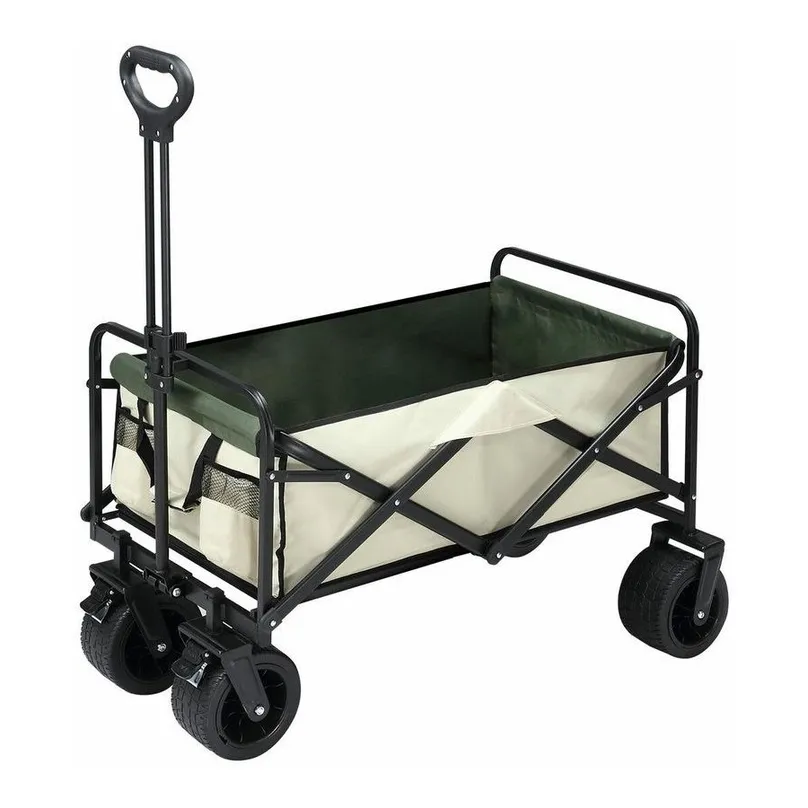
Garden trolleys
Garden trolleys or outdoor carts can help you move tools, soil, and pots without heavy lifting.
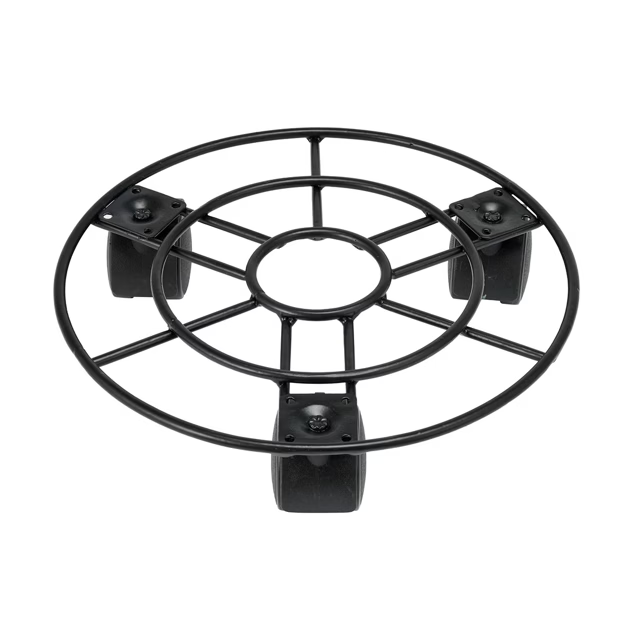
Flowerpot trolleys
A pot trolley sits underneath your pot, so you can move the pot around on the wheels attached to its base. This way you can shift heavy pots and plants easily, without lifting.
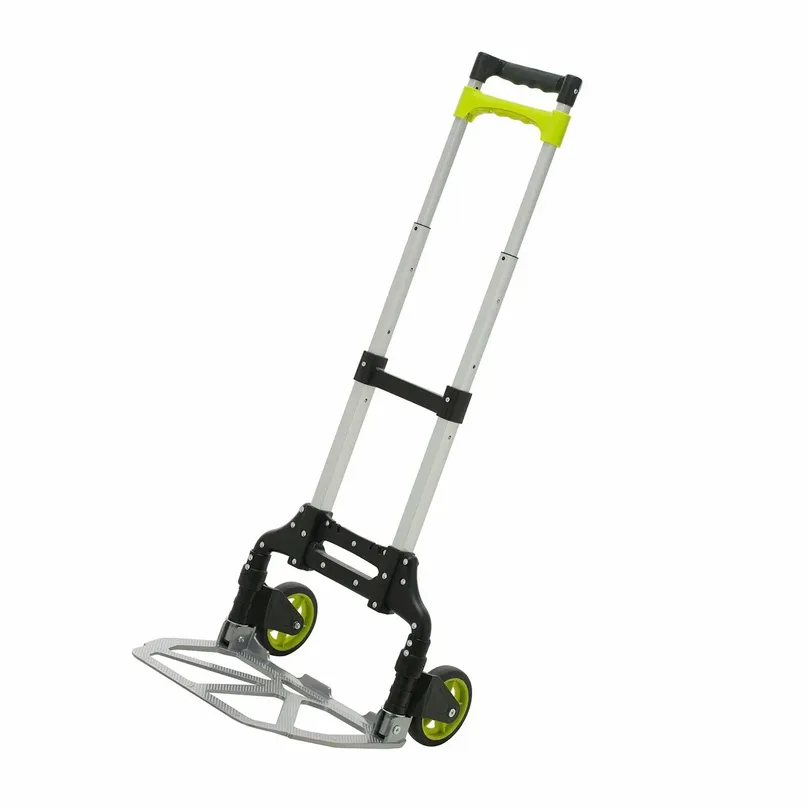
Sack trucks or hand trolleys
Use these to move heavy bags of soil around your garden with ease.
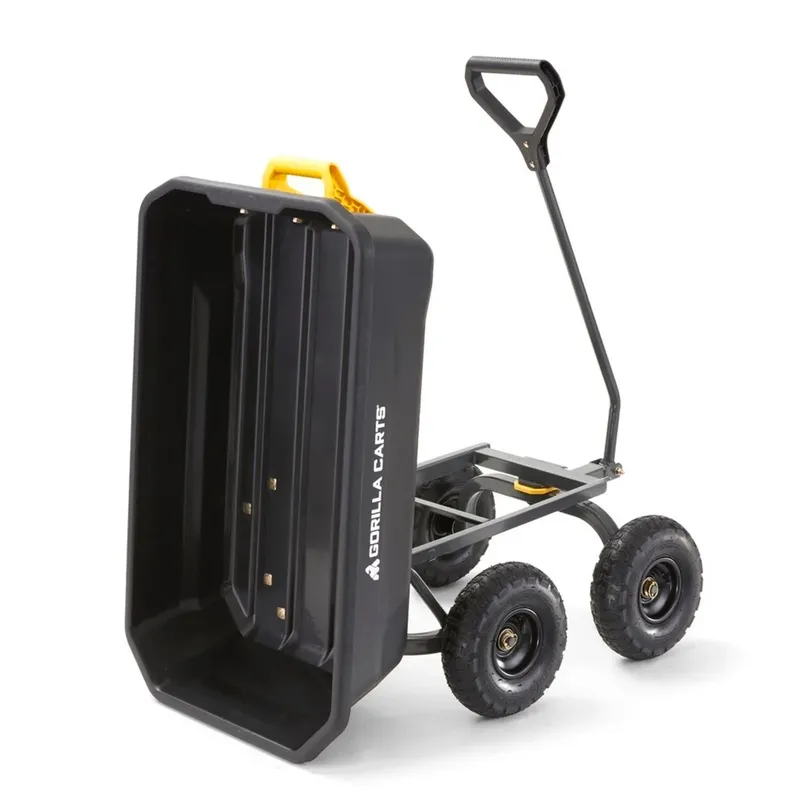
Dump carts
Dump carts are designed to help you move piles of soil or mulch. They have a built-in tipping mechanism to safely unload heavy materials.
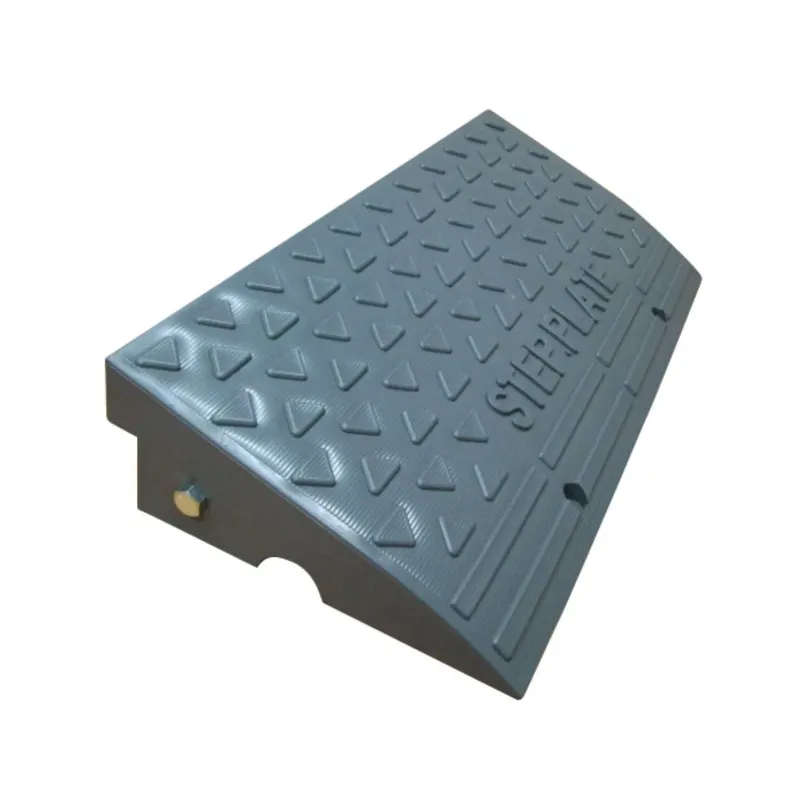
Portable ramps
A portable or folding ramp is useful for moving trolleys, carts, and wheelbarrows over outdoor steps.
Reducing hand strain
You can protect your hands and make gardening easier by using the right tools.
Garden tools with built-up handles reduce the need for a tight grip. You DIY or buy built-up handles to add on to your existing tools.
Also consider:
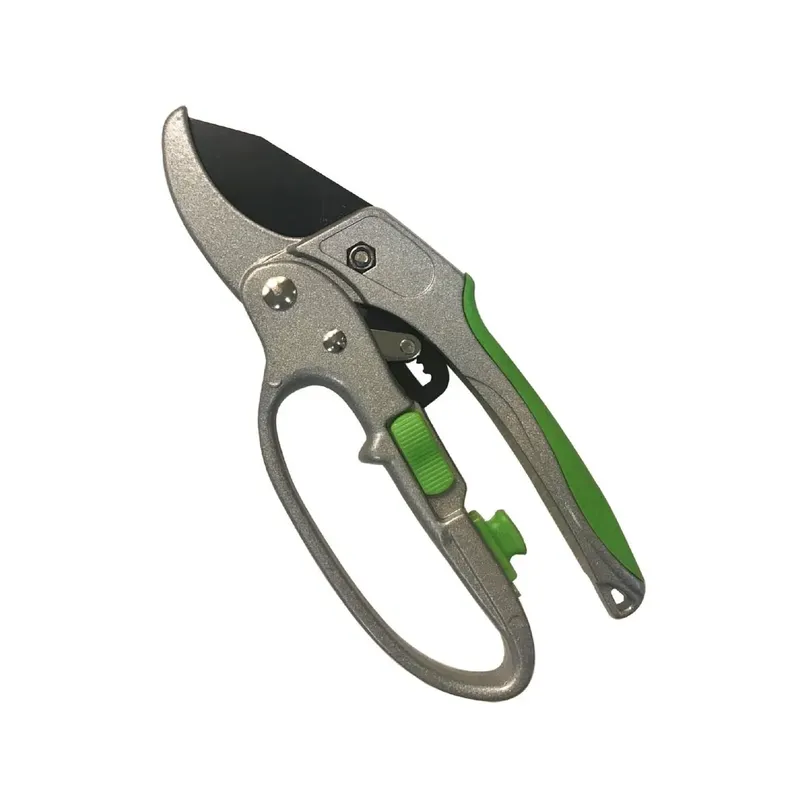
Ratchet pruners
Ratchet pruners are ideal if your grip is weak. They’re easy to squeeze but still give strong cutting power.
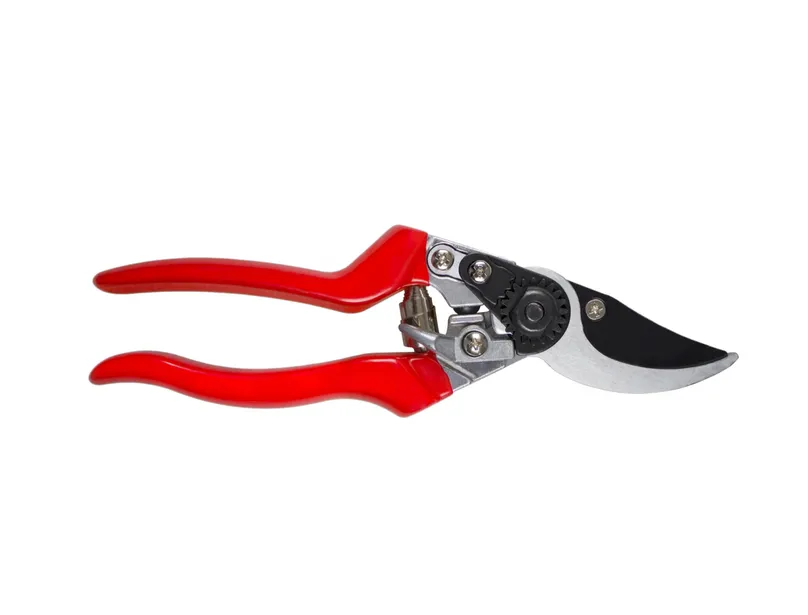
If you’re left-handed or often find tools to be uncomfortably large for your hands, look for alternatives that suit you. Buy the tool that fits you best.
Bonus tips for reducing hand pain
Hold tools in your hand before you buy, to see how they feel. By shopping around, you can find the tools that suit you best.
You can also reduce hand pain from arthritis by strengthening your hands with movement. Consider using:
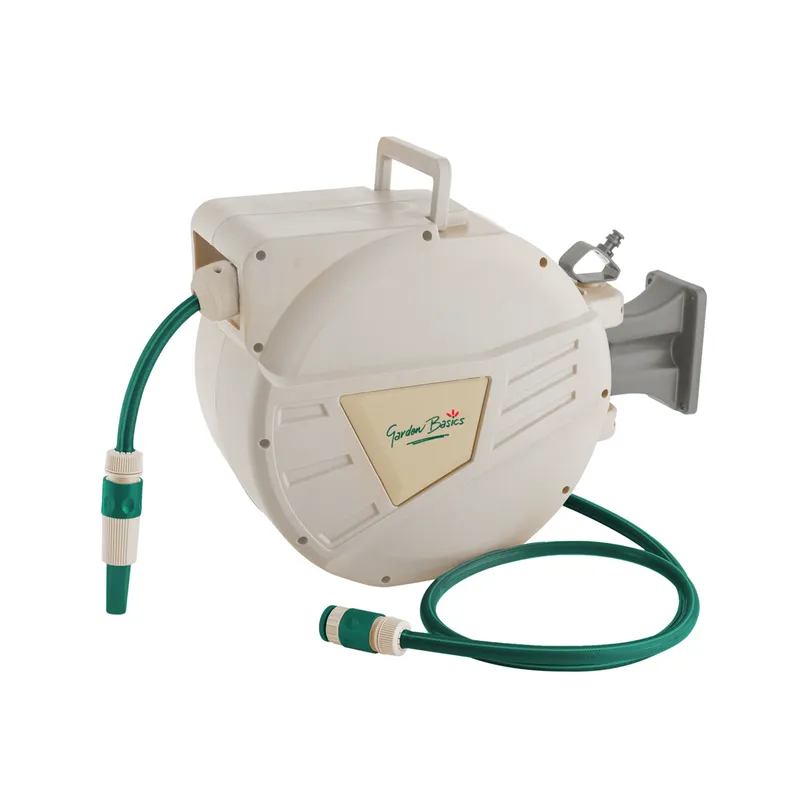
Reduce your risk of tripping on a garden hose left on the ground with a self-winding retractable hose reel.
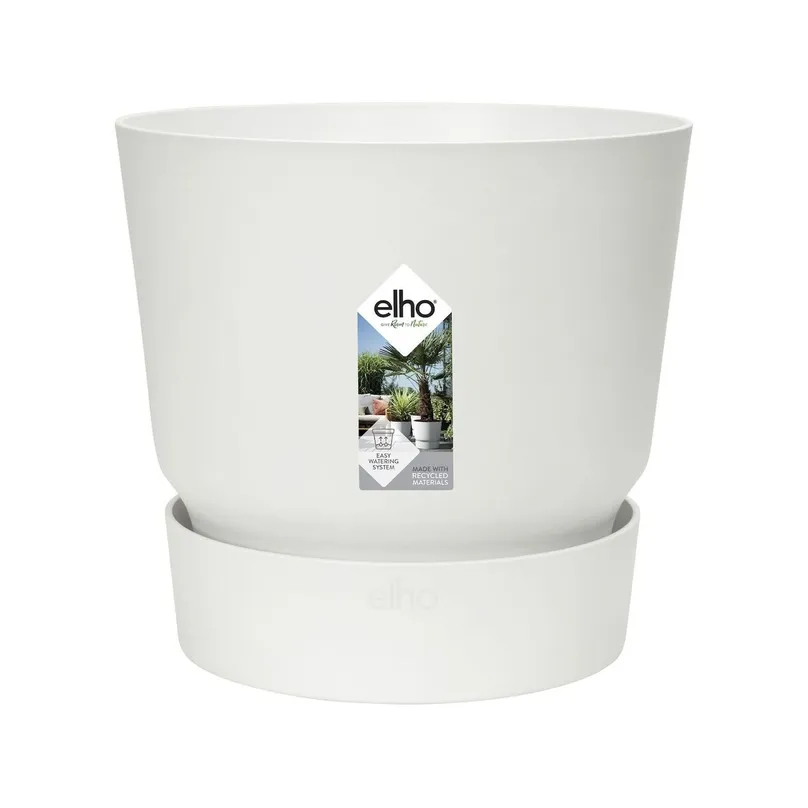
Self-watering pots or irrigation systems
You can save time and effort with automatic watering systems.
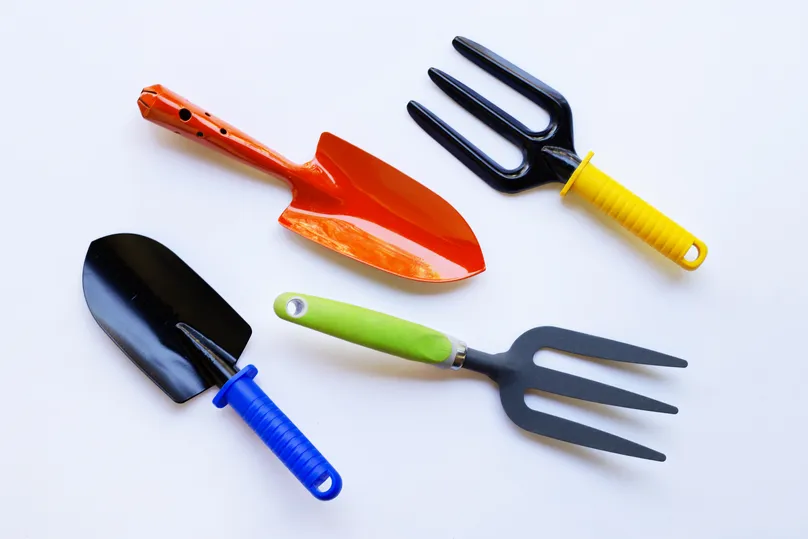
Brightly coloured tools
Make it easier to find your tools when gardening by buying ones that are easy to see. If you want to make plain tools stand out more, you can wrap high-vis tape around their handles.
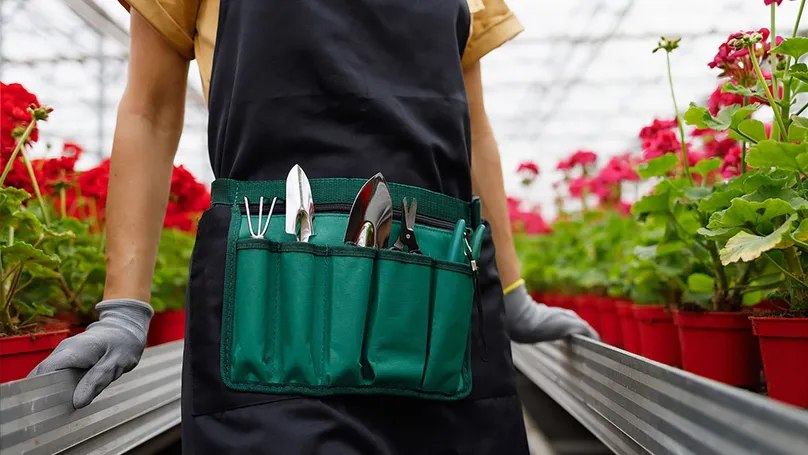
Gardening aprons
Make it easier to reach your tools while you work. You can keep your most-used hand tools with you in your apron pocket.
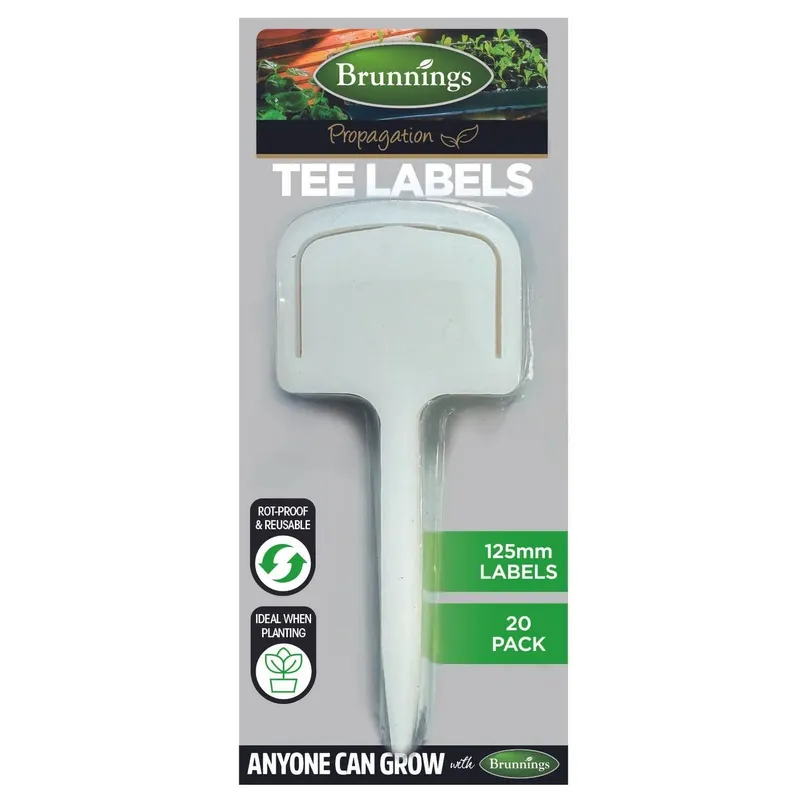
Plant tags and journals
Keeping physical notes on your garden helps with memory and organisation. It also means someone else can help with garden duties more easily when you want a break.
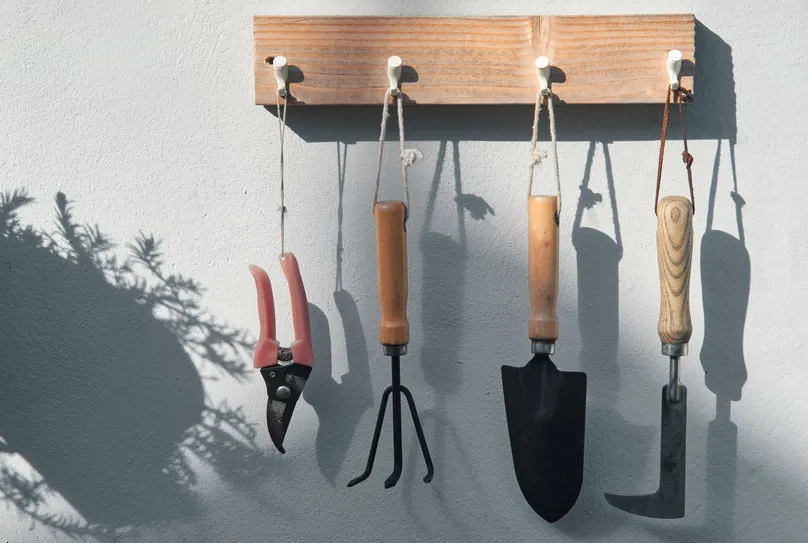
Shadow board or tool hanger
Make it easy to sort and store your hand tools and small gardening items. Shadow boards or hangers make it easier to see what you have and what’s missing.
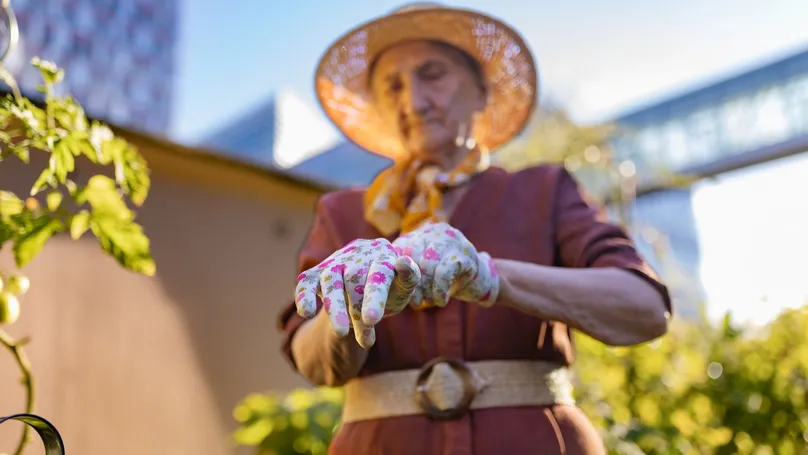
Protective gear
Gardening gloves, safety glasses, sun protection, and closed-in shoes help protect you from injury when gardening.
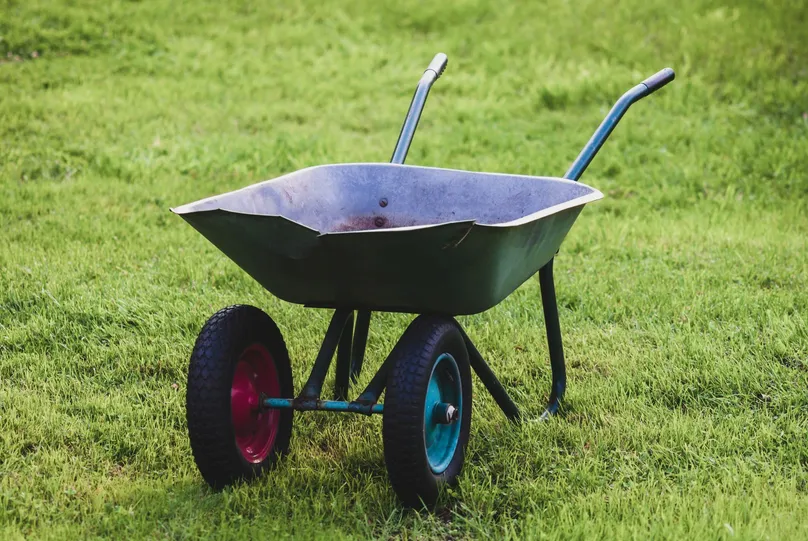
Lightweight buckets and two-wheeled wheelbarrows
You can use buckets and wheelbarrows to keep all your tools together with you while you work. This helps you remember where they are. It also saves on unnecessary trips to and from the tool shed. Look for lightweight buckets with comfortable handles. Wheelbarrows with two wheels are easier to handle than single-wheeled ones.
Want the short version? You can download and print our list of 10 helpful gardening tools for a quick reference.
Preparing your body for gardening
Here are some ways you can avoid injuries while gardening:
Howarth, M., Brettle, A., Hardman, M., & Maden, M. (2020). What is the evidence for the impact of gardens and gardening on health and well-being: A scoping review and evidence-based logic model to guide healthcare strategy decision-making on the use of gardening approaches as a social prescription. BMJ Open, 10(7). https://bmjopen.bmj.com/content/10/7/e036923
How to use this information
LiveUp provides free information to help you make informed decisions about your health. This information is for general and educational purposes only, is not intended to provide a comprehensive guide, and does not replace medical advice. Everyone is different, so some of these tips may work better for you than others. You should use your own judgment and seek medical advice when applying this information to yourself, to determine if it is suitable in your circumstances. Your use of, or reliance on, this information is solely at your own risk. Independent Living Assessment Incorporated is not responsible or liable for any injury, loss, or damage caused as a result of your use of, or reliance on, this information.
Download and print this article:
You can print out the PDF and stick it to your fridge or file away the tips to revisit at a later time.
Read more Comfort articles
Did you enjoy this article? You may also like reading similar healthy ageing articles.