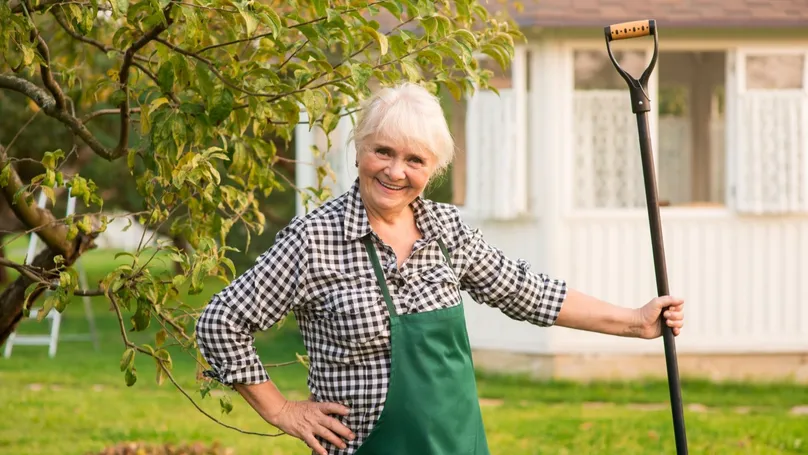
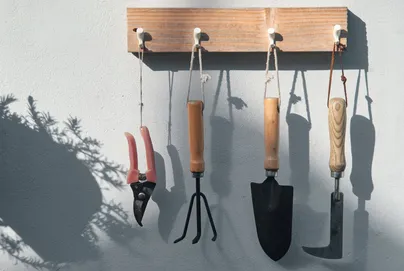
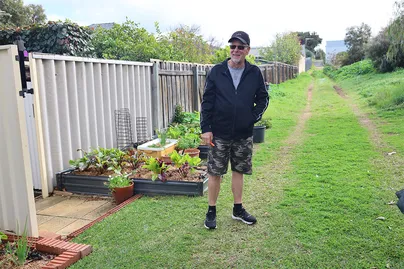
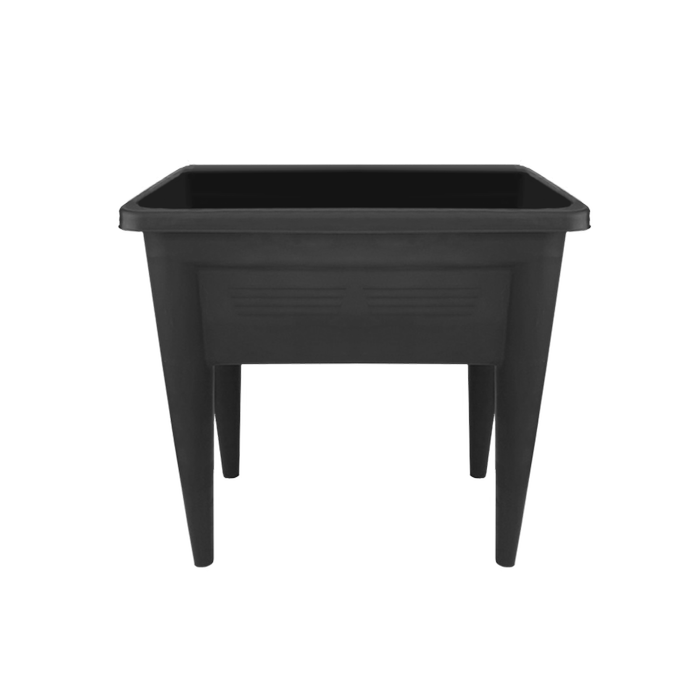
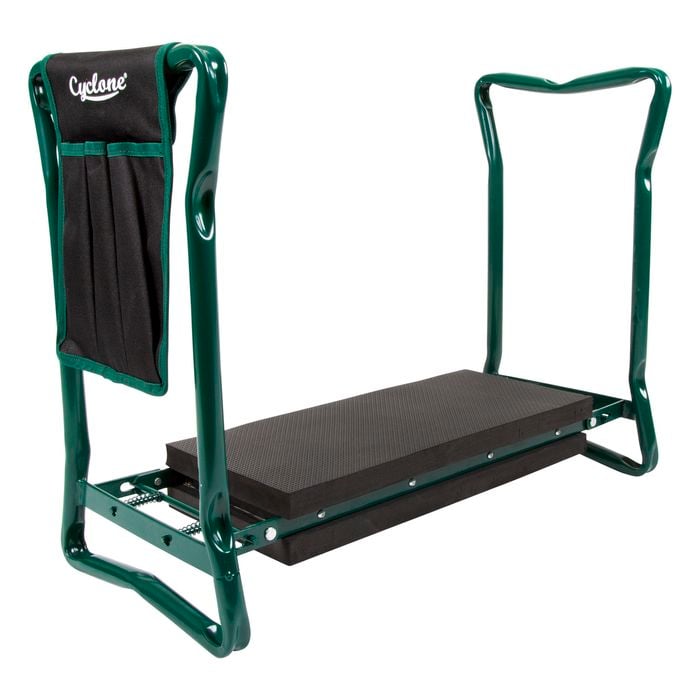
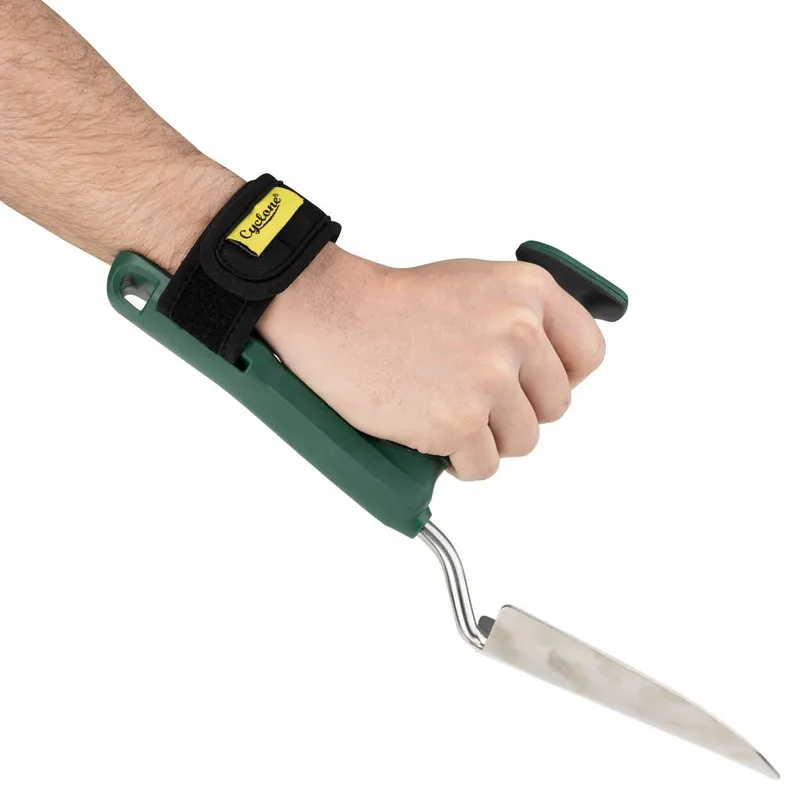
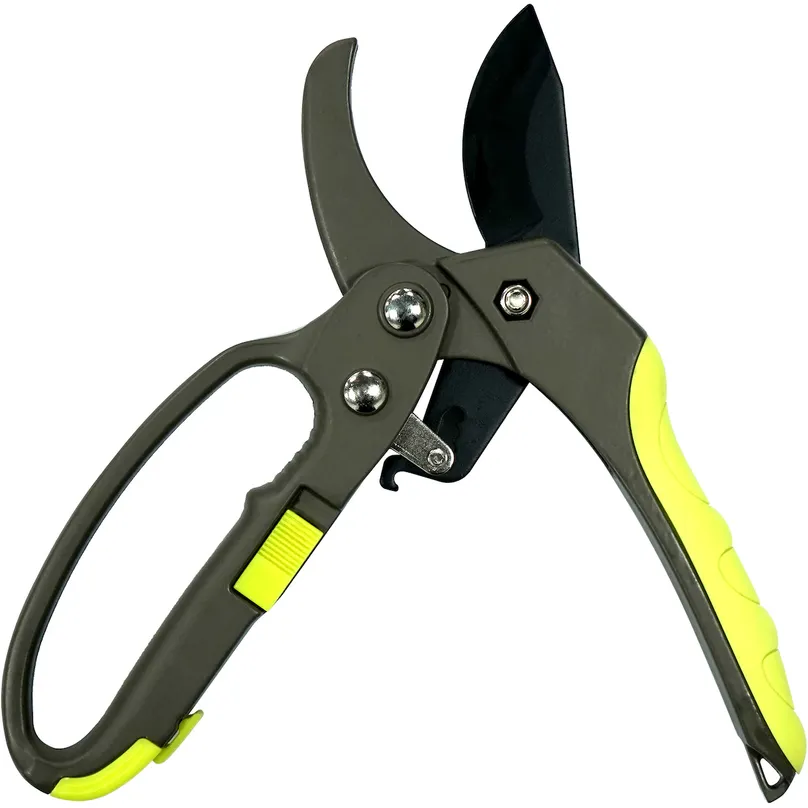
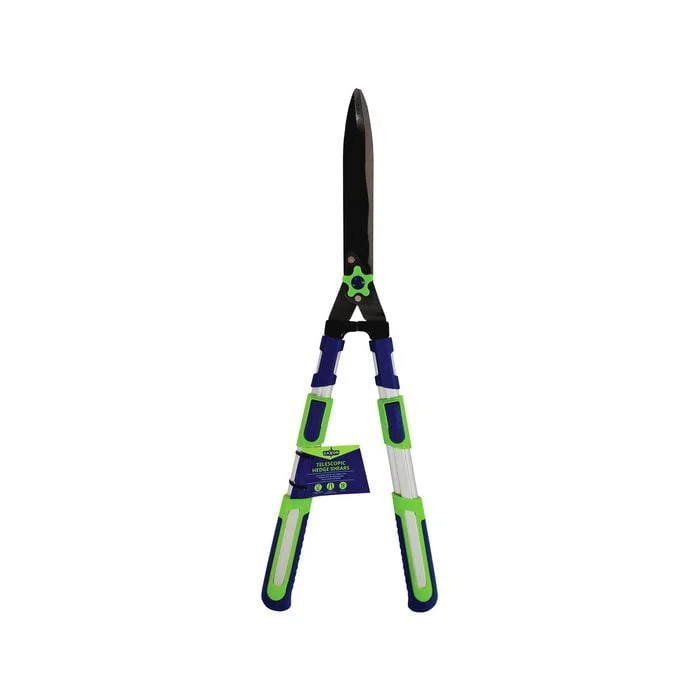
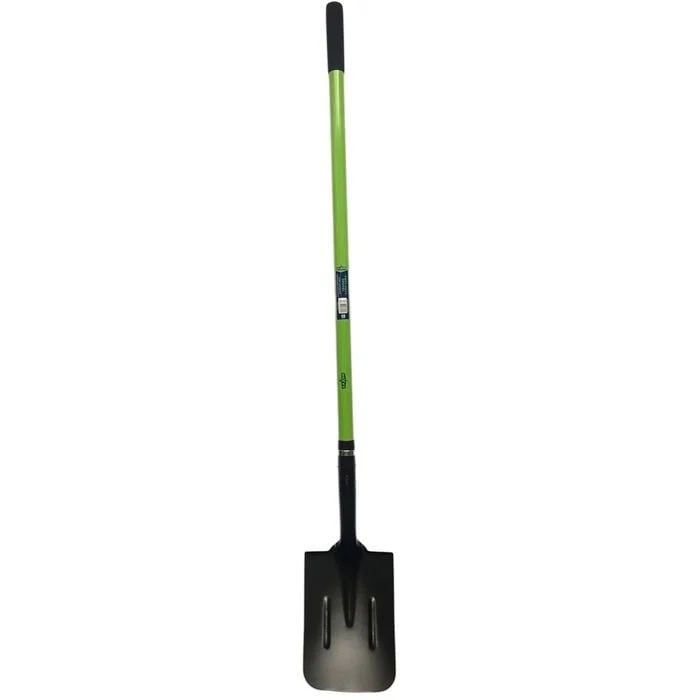
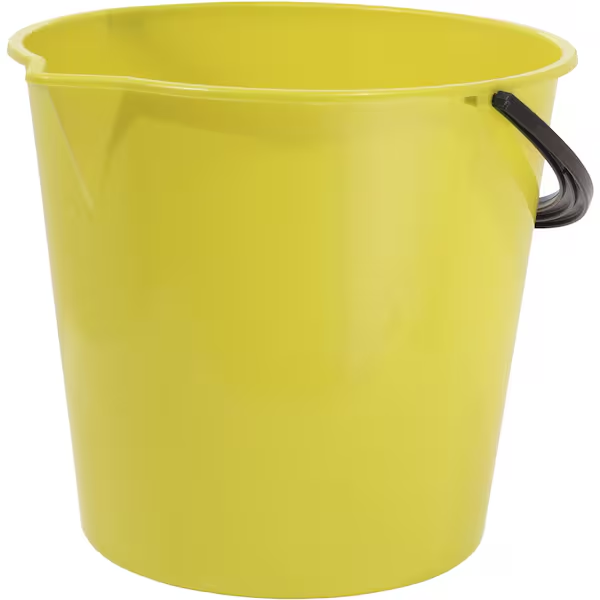
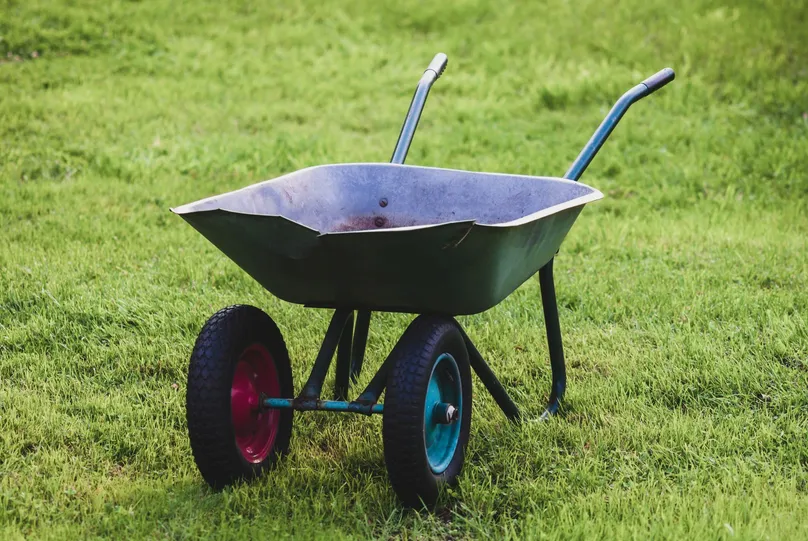
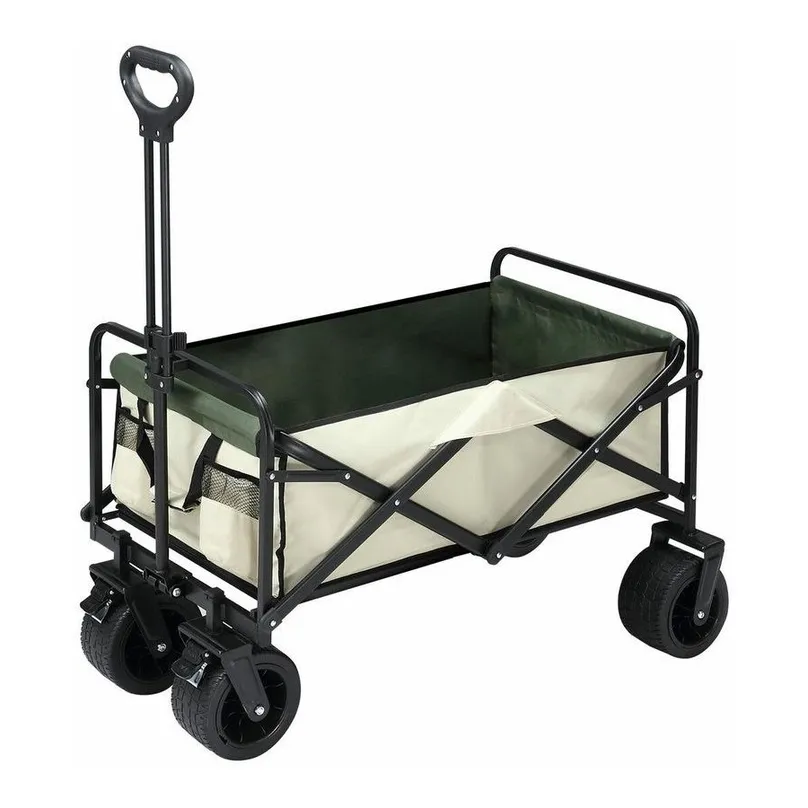
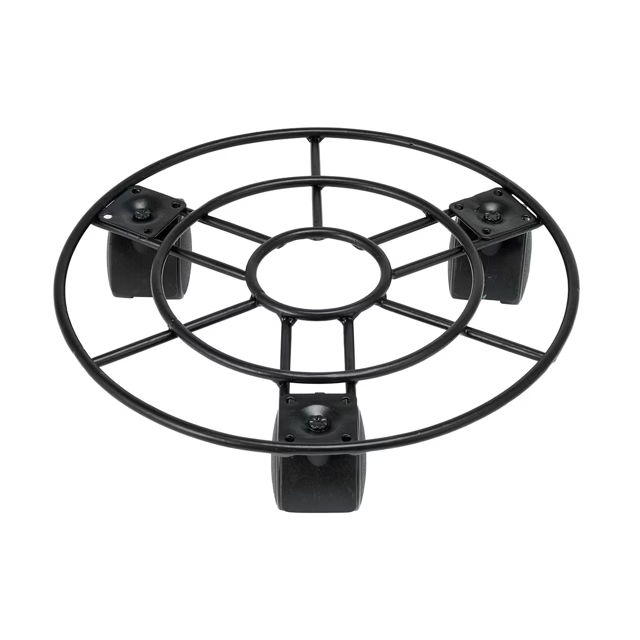
Looking for simple ways to make gardening easier? Here’s a quick list of tools that reduce bending, lifting, and strain – so you can keep enjoying your time outdoors.
This quick list is for older adults who want to reduce strain and pain from gardening.
Use this page to explore our top 10 recommendations for helpful garden tools. The list is split into 2 sections to help you quickly find what matters most – whether that's tools to reduce joint strain or ways to carry items more safely.
Select each tool from the list to discover:
More about how it can help you in the garden
Suggested places where you can buy it
Why gardening matters for healthy ageing
Science shows that gardening is great for healthy ageing. It's not only good exercise, but also emotionally rewarding. A 2023 study from the Journal of Environmental Psychology found that:
Spending at least 2.5 hours a week gardening is linked to better mental health and life satisfaction.
The strongest benefits are seen in people aged 64 and older.
However, some gardening tasks can get harder to do as you age. LiveUp’s allied health professionals have picked 10 tools to help fix that.
Interested in learning more? Read about the mental, physical, and social benefits of gardening in our gardening for healthy ageing article.
LiveUp’s top 10 garden tool recommendations
These tools can make gardening easier and safer for older people. Each tool in this list has its own page in our assistive products database. There, you'll find more details on the products, including where you can buy them. We've tried to suggest stores that are widely available and affordable.
Our occupational therapists have curated this list of tools because each item has the potential to improve your life at a very low cost.
LiveUp is a non-profit funded by the Health Department, so we don’t earn money from these suggestions. We’re not connected to any retailers or products in any way. Our goal is to help you find practical, cost-effective solutions that make everyday life easier.
Did you find this article useful?
Your feedback helps LiveUp to curate information that matters to you.
You might also be interested in these resources
Adaptive gardening tools comprehensive guide for older adults | Stay active & safe
Explore a comprehensive range of adaptive gardening tools for older adults in Australia. Ergonomic, long-handled, and low-risk tools make gardening easier and safer.
Gardening for healthy ageing | Benefits of gardening for older adults
Discover how gardening can boost fitness, brain health, and mental wellbeing for older adults. Tips for safe, enjoyable gardening and joining community gardens in Australia.
Can’t find an OT in your area through OTA? You can also check Healthdirect’s tool for finding an OT by location.
If you need more information about healthy ageing, take the LiveUp quiz or get in touch with one of our helpful team on 1800 951 971.
References
Howarth, M., Brettle, A., Hardman, M., & Maden, M. (2020). What is the evidence for the impact of gardens and gardening on health and well-being: A scoping review and evidence-based logic model to guide healthcare strategy decision-making on the use of gardening approaches as a social prescription. BMJ Open, 10(7). https://bmjopen.bmj.com/content/10/7/e036923
Fjaestad, S. L., Mackelprang, J. L., Sugiyama, T., Chandrabose, M., Owen, N., Turrell, G., & Kingsley, J. (2023). Associations of time spent gardening with mental wellbeing and life satisfaction in mid-to-late adulthood. Journal of Environmental Psychology, 87, 101993. https://doi.org/10.1016/j.jenvp.2023.101993
How to use this information
LiveUp provides free information to help you make informed decisions about your health. This information is for general and educational purposes only, is not intended to provide a comprehensive guide, and does not replace medical advice. Everyone is different, so some of these tips may work better for you than others. You should use your own judgment and seek medical advice when applying this information to yourself, to determine if it is suitable in your circumstances. Your use of, or reliance on, this information is solely at your own risk. Independent Living Assessment Incorporated is not responsible or liable for any injury, loss, or damage caused as a result of your use of, or reliance on, this information.
Download and print this article:
You can print out the PDF and stick it to your fridge or file away the tips to revisit at a later time.
Read more Comfort articles
Did you enjoy this article? You may also like reading similar healthy ageing articles.