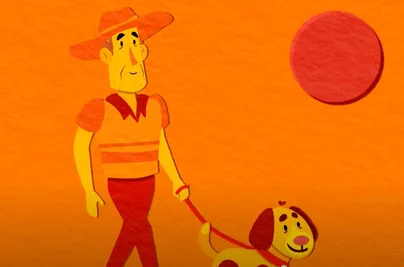
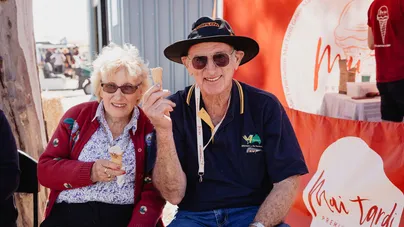
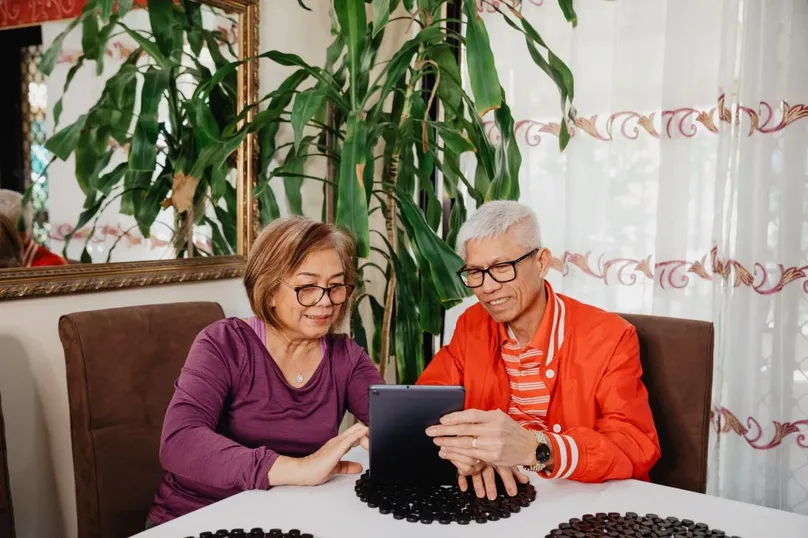
It’s important to protect your skin from the harmful effects of the sun.
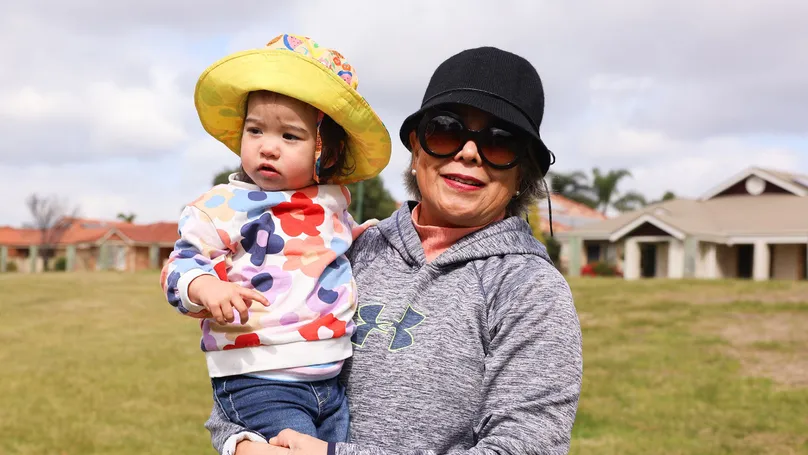
Your skin is your body's main barrier that protects you from illness and injury. It needs care and attention to heal itself and support your wellbeing.
This is particularly true the older you are, as your skin becomes thinner and more fragile as you age. Australia has lots of sunny weather, but it also has one of the highest rates of skin cancer in the world.
The good news is that there are simple steps you can take to stay safe in the sun. Keep reading for practical information to protect your skin while enjoying the outdoors.
Before we look at the simple steps to stay sun safe, it helps to understand what UV is. UV is short for ultraviolet radiation. It's the main cause of the sun's harmful effects, including skin cancers. In most cases, UV levels are highest in the middle of the day.
You're not only at risk of UV when it's hot and sunny outside. UV can be at high, harmful levels even when clouds are blocking the sun.
UV can also reflect off surfaces like water, concrete, and snow. You should use sun protection when the UV level is 3 or above on the UV index.
By keeping track of UV levels and using sun protection, you can go outdoors to work, rest, and do what you love while staying safe.
You can use the free SunSmart Global UV app to keep track of UV levels. It's available for download from the Apple Store and Google Play app:
This article lists some other mobile apps that could make your life easier.
UV levels can reach harmful levels regardless of the season. Follow these five tips to look after your skin year-round.
Protective clothing is your first line of defence against UV. Make sure your clothes aren't thin, faded, or damaged and are covering as much skin as possible.
Wear a hat to protect your face, scalp, ears, and neck from the sun. Consider these options, as they offer more protection than caps:
Consider sunglasses that sit close to the face and curve around the sides. These help protect the skin around your eyes as well as the eyes themselves. Make sure any sunglasses you buy meet the Australian standards for UV protection.
If you need to be out and about when UV levels are at their highest, take care to stay out of direct sunlight. Find shade under a tree, by using an umbrella, or in the shadow of buildings.
Use a broad-spectrum sunscreen that protects you from UVA and UVB radiation. Make sure it's SPF30 or higher. Apply sunscreen 20 minutes before going into the sun and reapply every two hours.
Some medications can cause photosensitivity. This is when your skin becomes more sensitive to UV, increasing your risk of getting sunburnt. Some medications can cause other skin reactions when exposed to UV, such as:
Ask your health professional if photosensitivity is a possible side effect of any of your medications. Photosensitivity is a known side effect for these medication types:
The earlier skin cancer is found, the easier it is to treat. Get to know your skin, including any moles, freckles, or other blemishes you may have.
See your health professional as soon as you can if an existing blemish changes size, colour, or texture. There are skin cancer clinics that can check, map, and record your skin blemishes.
Visit the SunSmart website to learn how to check your skin and what to look for.
Vitamin D helps keep bones, muscles, and the immune system strong. It's important for maintaining good health and ageing well.
Your body creates Vitamin D when your skin is exposed to sunlight. Luckily, you can generally get the Vitamin D you need through incidental sun exposure. This means the small amount of sunlight you get from everyday outdoor activities like hanging out the washing.
UV tends to be at a safer level in early morning or late afternoon, especially in late autumn and winter. These are good times to get incidental sunlight without increasing your risk of UV damage.
Your body can absorb enough sunlight to produce Vitamin D while wearing sunscreen. So, you should still follow the 5 steps for staying sun safe any time the UV level is over 3. If you have any concerns about your Vitamin D levels, talk to your health professional.
You may need more exposure to sunlight if you are naturally darker-skinned or if you cover more of your skin for religious reasons. Having naturally darker skin does not protect you against UV or skin cancer.
Learn more about sun protection and dark skin at the SBS News website.
If you need more information about staying healthy as you age, get in touch with one of our helpful team on 1800 951 971.
These links are also helpful for staying safe while getting the right amount of sunlight:
Cancer Council Australia. (2023). Skin cancer. https://www.cancer.org.au/cancer-information/types-of-cancer/skin-cancer
Healthdirect Australia. (2024). Vitamin D deficiency. https://www.healthdirect.gov.au/vitamin-d-deficiency
Cancer Council Victoria. (n.d.). Protect your skin. SunSmart. https://www.sunsmart.com.au/protect-your-skin
LiveUp provides free information to help you make informed decisions about your health. This information is for general and educational purposes only, is not intended to provide a comprehensive guide, and does not replace medical advice. Everyone is different, so some of these tips may work better for you than others. You should use your own judgment and seek medical advice when applying this information to yourself, to determine if it is suitable in your circumstances. Your use of, or reliance on, this information is solely at your own risk. Independent Living Assessment Incorporated is not responsible or liable for any injury, loss, or damage caused as a result of your use of, or reliance on, this information.
You can print out the PDF and stick it to your fridge or file away the tips to revisit at a later time.

Did you enjoy this article? You may also like reading similar healthy ageing articles.
See all Maintain my health articlesYour feedback helps LiveUp to curate information that matters to you.