Stay cool and take charge of your health this summer
6 minute readShare this article
Older people in Australia need to take greater care in extreme hot weather.
This article was written in collaboration with experts from Griffith University's Ethos Project.
It’s possible to take charge of your health in the heat. Recognising the dangers of heat, understanding your body’s limits, and taking proactive steps can help you stay safe during the hottest days of the year.
Heat, humidity, and health
Stay safe in the heat
Extreme heat can cause your body a lot of stress. The good news is that heat stress is preventable. Follow these tips to stay safe:
Stay hydrated. Drink plenty of water, even if you’re not thirsty. If you’re on fluid restrictions, talk with your doctor. Avoid alcohol and caffeine during extreme heatwaves as they contribute to dehydration.
Cool your body. Take cool showers, soak your hands or feet in water, or apply damp cloths or icepacks to your neck, armpits, or groin. A gentle swim can also be refreshing, just stay hydrated and stick to shaded areas.
Stay in cool places. Spend time in air-conditioned spaces like libraries, community cooling centres, or shaded areas with flowing air.
Avoid outdoor exercise. Skip strenuous exercise, like gardening, golf, or tennis, during hot days, even if you’ve tolerated this in the past.
Did you find this article useful?
Your feedback helps LiveUp to curate information that matters to you.
You might also be interested in these resources
Heatwave tips for older people: protecting mental health and combating loneliness
Discover how heatwaves affect mental health and loneliness in seniors, with tips for staying connected and safe during extreme heat. Stay cool and informed.
Heatwave tips for older people: how to sleep cool during summer
It’s important for older to people to have a cool bedroom for a good night's sleep. Learn how to keep your house cool on hot nights, so you can rest easy.
Heatwave tips for older people: how to keep your house cool in summer
It's essential for healthy ageing to have somewhere cool to be on hot days. Learn about some cheap ways to keep your house cool in summer, for your comfort and safety.
Wear breathable, loose-fitting fabrics in light colours. Wear wide-brimmed hats if you go outside. Wet your shirt or hat for extra cooling.
Keep your home cool. Use fans and AC, close curtains during the day, and open windows at night when it’s cooler. Avoid using appliances that generate heat, such as ovens, clothes dryers, or hair dryers.
Stay connected. If you live alone, check in regularly with friends or family members, and encourage them to do the same for you.
Why is heat a risk to your health?
Heatwaves place a huge amount of stress on your body as it works to cool down. This can make underlying health issues worse, as your organs work hard to cool you down. It can worsen underlying conditions like heart, lung, or kidney diseases and increase the risk of hospitalisation. This is especially the case if you have multiple chronic illnesses.
Your ability to cool down and recognise heat stress decreases as you age. This makes older adults especially vulnerable. Even if you’ve tolerated heat well in the past, it’s important to know your limits and take proactive steps to stay safe.
Who is most at risk?
Your risk of heat stress increases when multiple of the following factors combine:
Being 65 or older
A heat index of 33C or higher (A heat index is a figure which considers how both the outdoor temperature and humidity combine to make you feel)
Chronic health conditions such as high blood pressure, diabetes, or obesity
Some medications can increase heat sensitivity (talk to your doctor or pharmacist)
Outdoor activity, such as gardening or exercise
Living alone, as it’s harder to keep track of your health and take cooling measures without support
Homes without air-conditioning (AC) or proper insulation, as they hold more heat
Living in isolated or low socio-economic areas, where help or resources may be limited
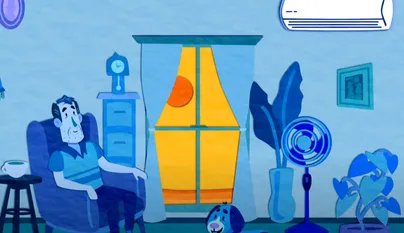
Watch Martin's story
Recognising the signs of heat stress
Early signs of heat stress can include:
Heavy sweating
Thirst
Discomfort
Headache
Reduced alertness
Irritability
These are warning signs that your body is struggling to cope with the heat. If untreated, heat stress can progress into more severe conditions like heat exhaustion or heatstroke, which can be life-threatening.
What to do if you feel heat stress
You can take these steps to cool down:
Get to a cool, shaded place and lie down
Wet your skin with cool damp cloth, mist, or cool water
If lying down, you can submerge your hands and feet in cool water
Many older people in Australia don’t recognise heatwaves as a serious risk to their health. By being aware of the dangers and taking simple steps, you can protect yourself and reduce the impact of extreme heat.
What you can do now
Share this article with friends or family to spread awareness about heat safety.
Learn more about protecting yourself from extreme heat at Griffith University’s Ethos Project
Understanding how heat affects your body, recognising the early signs of heat stress, and adopting preventive measures will help you stay safe and healthy this summer. Take charge of your health today and enjoy a cooler, safer summer.
Get in touch with LiveUp
Everyone is different so some of these tips may work better for you than others.
If you need more healthy ageing information, take the LiveUp quiz or get in touch with one of our helpful team on 1800 951 971.
LiveUp provides free information to help you make informed decisions about your health. This information is for general and educational purposes only, is not intended to provide a comprehensive guide, and does not replace medical advice. Everyone is different, so some of these tips may work better for you than others. You should use your own judgment and seek medical advice when applying this information to yourself, to determine if it is suitable in your circumstances. Your use of, or reliance on, this information is solely at your own risk. Independent Living Assessment Incorporated is not responsible or liable for any injury, loss, or damage caused as a result of your use of, or reliance on, this information.
Download and print this article:
You can print out the PDF and stick it to your fridge or file away the tips to revisit at a later time.
Read more Maintain my health articles
Did you enjoy this article? You may also like reading similar healthy ageing articles.