How to identify and respond to signs of elder abuse
9 minute readShare this article
What can elder abuse look like? And what can you do to guard against it?
Abuse can come in many forms. It can be psychological, physical, sexual, financial, or neglect. For example, if someone coerces you into signing a financial document, that would be both financial and psychological abuse.
Abuse against older people is sometimes called elder abuse. It can be a single act, repeated actions, or a lack of appropriate action. This often occurs within a relationship where there is an expectation of trust.
For example, abuse can come from family members such as adult children. Or from aged care providers, romantic partners, neighbours, or friends.
What can abuse look like?
Because abuse can come from those you trust, you may not always recognise it for what it is.
Abuse can look like the following situations:
Someone threatens you, pressures you, or calls you names.
Someone withdraws care or fails to provide good care.
Someone isolates you from contacting other family members and friends.
Someone tries to take control of your money or belongings.
Someone restricts your freedom of movement without your consent.
What to do
In Australia, around 1 in 6 older people experienced elder abuse in 2020. But older people tend to keep quiet when they're abused, due to feelings of shame or fear.
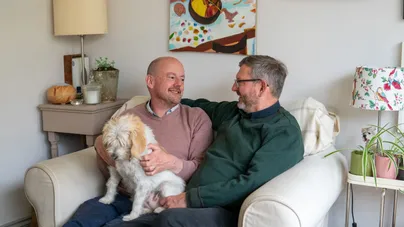
Access support services tailored to the LGBTQIA+ community in older age. Learn about the resources available to ensure inclusivity and good mental health and wellbeing.
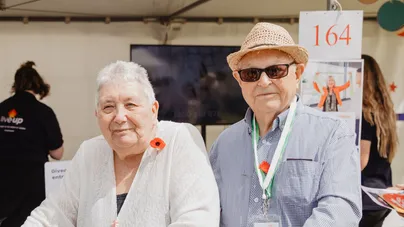
Discover resources and support services available to veterans in older age. Learn how to access health care and community services tailored to veterans.
Brush up on your online skills, so you can stay connected and informed on what’s not acceptable and who can help you.
Keep connected
Stay connected with your community and friends. This will build your confidence and strengthen your support network.
Staying socially connected allows friends to check in on your health and happiness.
This will also allow you to look out for signs of elder abuse in other members of your community. If you see something, say something, and call 1800 ELDERHelp.
Watch out for warning signs
Here are some signs that someone you know may be experiencing abuse:
They seem depressed, confused, anxious, withdrawn, or are expressing feelings of helplessness.
They have unexplained or untreated injuries, scars, bruises, burns, or sores.
They display recent changes in behaviour or spending habits.
They display poor personal hygiene, look dishevelled or malnourished, or wear inadequate clothing for the weather.
Their fridge is empty, their belongings disappear, or they're suddenly unable to pay their bills.
Types of abuse
Psychological abuse
Psychological abuse was the most common form of elder abuse in Australia in 2020. This can take the form of threats, intimidation, bullying, humiliation, verbal abuse, or coercive control.
Coercive control is when someone exerts their power to control you. This can include other forms of abuse, such as physical and financial. These are inflicted in order to demoralise, disable, or maintain control over you.
For example, someone may use neglect as a form of coercive control. They may do this by refusing to give you medication or other necessary care until you do what they want.
Neglect
Neglect is failure to provide necessary care.
For example:
Someone refuses to take you to the doctor or dentist when you can't take yourself.
Someone restricts your access to food and warmth.
Someone receives a Carer Allowance for you but fails to provide you with care.
Someone who is supposed to be providing you with care allows you to develop preventable injuries such as bed sores.
Financial abuse can mean someone stealing or misusing your money, assets, or property.
For example, if someone coerces you into giving them control of your finances or moves into your house without your consent.
You have a right to decide what type of aged care you want to receive, and who you receive it from. This includes deciding what kind of assistance you want with your financial affairs.
Are you at risk of financial abuse?
Does a family member feel entitled to your possessions? Perhaps due to their own financial burdens?
Are you dependent on a family member for care?
Does a family member have problems with addiction?
Do you feel frightened of a family member?
These are some of the common risk factors for financial abuse.
Remember that no one can deny you your rights. Not even someone you've appointed with Enduring Power of Attorney.
If you're making an EPOA, make sure it's clear, detailed, and comprehensive. This will help protect your EPOA from misuse. If you think your EPOA is being misused, talk to an advocate.
Sexual abuse
You have the right to live free from sexual assault. Sexual assault is sexual contact or behaviour that takes place without explicit consent. Consent must come from everyone involved in the act.
To speak to someone about sexual assault, you can ask your doctor, or call:
1800 RESPECT(1800 737 732)- the National Sexual Assault, Domestic Family Violence Counselling Service.
1800 FULLSTOP(1800 385 578)- Fullstop Australia, confidential counselling for people who have experienced sexual assault and their family members.
Physical abuse
Physical abuse is the use of physical force to inflict pain or injury. Such as someone hitting or shoving you or throwing things at you in an argument.
But there are some forms of physical abuse that may not be as easy to recognise. Such as improper use of restrictive practices.
Restrictive practices are actions that limit your freedom of movement. This is more common in residential care but can also affect older people living at home. Restrictive practices must only be a last resort to prevent harm. And should only be used with your informed consent by an approved practitioner who knows you.
Restraints can be by chemical, environmental, mechanical, or physical means, or by seclusion.
Chemical restraint involves the use of medication to affect your behaviour. An example is someone sedating you to limit your movement.
Environmental restraint is restriction of your access to all parts of your environment. Your environment is your home, or your room and common areas, including outside areas. This also includes access to items and activities. An example is someone removing your walking frame from your reach so you can’t go outside.
Mechanical restraint involves the use of a device to subdue your movement. An example might be the use of a lap belt or bed rails to prevent you from getting up. Or someone applying the brakes to your wheelchair, so you stay in one place.
Physical restraint is the use of physical force to control your movement. An example is being pinned down to receive medication. Or someone holding you in place to force personal care on you, such as showering.
Seclusion is when you are confined to a room or physical space without the option to exit. An example is someone locking you alone in your room as a punishment.
If you are being physically abused, you can also contact the police. For urgent help, call 000. You can call 131 444to be connected to your local non-emergency line.
Support for LGBTQIA+ people
Many LGBTQIA+ individuals experience ill mental health from the lasting impacts of abuse and discrimination. You have the right to inclusive and culturally safe support and services.
LGBTIQ+ Health Australia has a list of supports for older people in the LGBTQIA+ community. This includes mentoring programs, and support for:
Aboriginal and Torres Strait Islander people
Intersex people
People living with HIV
Support in languages other than English
The Australian Human Rights Commission has informative brochures about abuse of older people available in 20 languages.
Advocacy and interpreting for First Nations people
Many First Nations people suffer the lasting impacts of abuse and discrimination. Older people living in rural and remote areas may also be more vulnerable to abuse.
When abuse is hidden, it can continue and escalate.
Only 1 in 3 of the older people who experienced abuse in Australia in 2020 sought help from a third party. Help could come from friends, family, trusted health professionals, police, or lawyers. There are also always helplines available to you.
The Older Persons Advocacy Network provide free education sessions around identifying and preventing abuse. You can access the OPAN self-advocacy toolkit here.
LiveUp provides free information to help you make informed decisions about your health. This information is for general and educational purposes only, is not intended to provide a comprehensive guide, and does not replace medical advice. Everyone is different, so some of these tips may work better for you than others. You should use your own judgment and seek medical advice when applying this information to yourself, to determine if it is suitable in your circumstances. Your use of, or reliance on, this information is solely at your own risk. Independent Living Assessment Incorporated is not responsible or liable for any injury, loss, or damage caused as a result of your use of, or reliance on, this information.
Download and print this article:
You can print out the PDF and stick it to your fridge or file away the tips to revisit at a later time.
Read more Safety articles
Did you enjoy this article? You may also like reading similar healthy ageing articles.