Learn about the hidden risk of malnutrition, what to watch out for, and how to support your health with better nutrition.
This article was reviewed by Accredited Practising Dietitian Dr Karly Bartrim, a member of Dietitians Australia, the peak professional body for nutrition and dietetics in Australia.
Weight loss isn’t always healthy with age
Losing weight without trying is not a normal or expected part of ageing.
Small changes in appetite or body changes can happen over time. However, if day-to-day activities are becoming harder or if there is noticeable or ongoing weight loss, this is a warning sign. It may be a sign something else is going on.
International and Australian studies show that older adults who lose weight unintentionally have a higher risk of illness and early death. People who keep a stable weight tend to have the best health outcomes.
If you are thinking about losing weight later in life, it’s important not to do this on your own.
Weight loss in older adults should be guided by a trusted health professional like an Accredited Practising Dietitian to make sure it is safe and does not lead to problems like malnutrition or loss of strength.
— Accredited Practising Dietitian Dr Karly Bartrim
The hidden risk of malnutrition
Unintentional weight loss is closely linked to malnutrition. Research shows that malnutrition can lead to:
Loss of muscle mass and strength (sarcopenia)
Feeling tired or low in energy
Weakened immune system
A higher risk of falls
Slower healing and longer recovery from illness
Malnutrition and poor nutrition are associated with an increased risk of, or poorer outcomes in:
Heart disease
Gum disease
Osteoporosis
Dementia
Frailty
Importantly, malnutrition doesn’t always look dramatic. It can be subtle and easy to miss. Once identified, recovery can be slow and complex, requiring personalised support.
Did you find this article useful?
Your feedback helps LiveUp to curate information that matters to you.
You might also be interested in these resources
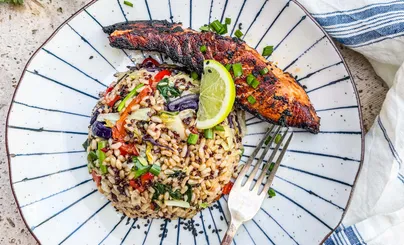
Miso ginger salmon with Asian veggies and quinoa recipe
Enjoy this delicious and healthy recipe, ideal for reducing inflammation and managing arthritis.
Boost your bone health with these 10 nutrient-rich foods. Learn how to add them to your diet to help maintain strength, mobility, and prevent osteoporosis.
This is why early detection and support are so important.
Be proactive about your health to stay strong, energised, and independent. A simple first step is to simply watch out for the signs that you need support with nutrition.
What to watch out for: signs and symptoms
You don’t need to track your weight every day to know something’s off. Pay attention to other clues, such as:
Clothes starting to feel loose
Eating less or skipping meals
Feeling tired, flat, or weak
Getting sick more often
Finding it harder to focus
If you notice any of these changes, check in with your GP.
International guidelines say that, for older people, losing 5–10% of your body weight in a few months is a red flag. If this happens, it’s important to see a health professional.
What to do if you’re concerned about weight loss or nutrition
Learn how to support your health with better nutrition. There are simple steps you can take to stay well-nourished and reduce your risk of malnutrition.
Speak to your GP
Talk to your doctor about any changes in appetite, weight, or energy. Early checks make a big difference. You can use the Healthdirect search tool to find a GP near you – and you can select if you want bulk billing.
Accredited Practising Dietitians (APDs) can give you advice about nutrition. They are trained to identify malnutrition. They can work with you to maintain strength and energy through the foods you eat. You can find and APD near you with the Dietitians Australia search tool.
Alharbi, T. A., Paudel, S., Gasevic, D., Ryan, J., Freak-Poli, R., & Owen, A. J. (2021). The association of weight change and all-cause mortality in older adults: A systematic review and meta-analysis. Age and Ageing, 50(3), 697–704. https://doi.org/10.1093/ageing/afaa231
Cederholm, T., et al The GLIM consensus approach to diagnosis of malnutrition: A 5-year update. Clinical Nutrition (49) June 2025 pp.11-20. https://doi.org/10.1016/j.clnu.2025.03.018.
How to use this information
LiveUp provides free information to help you make informed decisions about your health. This information is for general and educational purposes only, is not intended to provide a comprehensive guide, and does not replace medical advice. Everyone is different, so some of these tips may work better for you than others. You should use your own judgment and seek medical advice when applying this information to yourself, to determine if it is suitable in your circumstances. Your use of, or reliance on, this information is solely at your own risk. Independent Living Assessment Incorporated is not responsible or liable for any injury, loss, or damage caused as a result of your use of, or reliance on, this information.
Download and print this article:
You can print out the PDF and stick it to your fridge or file away the tips to revisit at a later time.
Read more Maintain my health articles
Did you enjoy this article? You may also like reading similar healthy ageing articles.