Diet and osteoporosis: 10 foods for stronger, healthier bones
9 minute readShare this article
Osteoporosis affects 1.2 million Australians. Learn how the right diet can help prevent bone loss and support stronger, healthier bones.
Osteoporosis is a common condition that causes bones to become fragile over time. Anyone can get osteoporosis, but women are at greater risk than men. For everyone, the risk of developing the disease increases with age.
The genes you inherit can cause osteoporosis, but so can:
Smoking
Excessive alcohol intake
Not enough calcium or vitamin D
Not moving enough
Osteoporosis can cause fractures or broken bones. This can affect your ability to move and stay independent. But by making healthy choices, you can prevent and manage this condition.
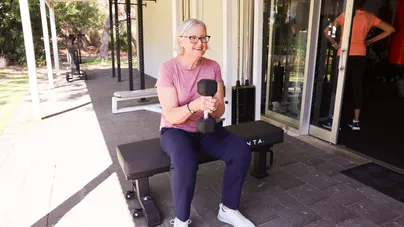
Exercise is one of the most important things you can do for your health as you age. Moving your body every day helps maintain bone health and density.
To help reduce your risk of falls and fractures, you can try balance exercises like Tai Chi and chair yoga. These can help:
Build muscle strength
Improve balance and stability
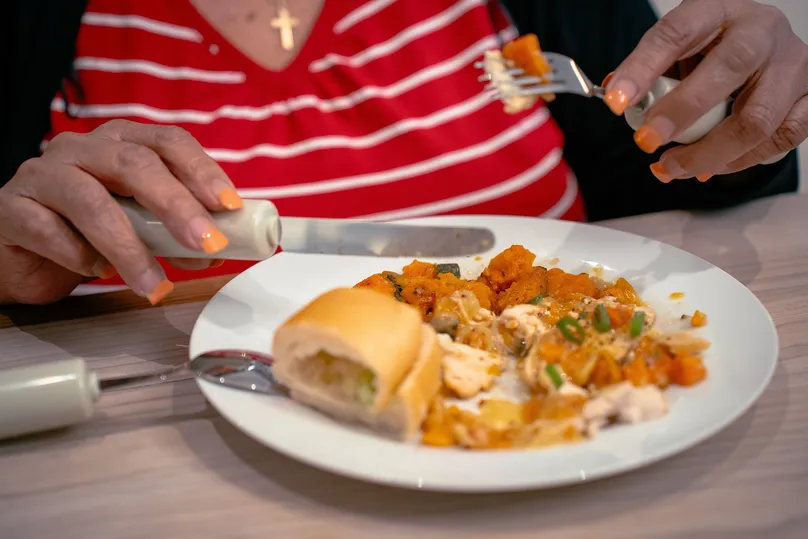
And of course, eating well helps support strong muscles and bones.
What should I eat for healthy bones?
It's best to minimise your intake of highly processed foods, which may be high in salt and saturated fats. Drinking too much caffeine or sugary fizzy drinks also may not support good bone health.
A balanced diet in general promotes good bone health. But for your bones specifically, it's important to eat foods that are rich in calcium and vitamin D.
Calcium gives your bones strength and structure and supports other important functions in the body. If you don’t get enough calcium from your diet, your body may draw it from your bones over time.
Did you find this article useful?
Your feedback helps LiveUp to curate information that matters to you.
You might also be interested in these resources
3 healthy and easy breakfast ideas
Start your day right with these 3 easy and nutritious breakfast ideas. Perfect for older adults to enjoy a healthy, energy-boosting meal.
Exercise and osteoporosis: How to boost bone health
Learn how exercise can prevent and manage osteoporosis in seniors. Improve bone health, strength, balance, and reduce fracture risks with the right activities.
Vitamin D also plays an important role by helping your body absorb calcium and supporting muscle function and bone health. Time in the sun is your biggest source of vitamin D. So, make sure to get plenty of sunlight while staying hydrated and sun safe.
Other essential nutrients like protein can support your bone health even further. Higher‑protein diets increase your muscle mass and how much calcium you absorb. This can benefit your bones, but you need enough calcium in your diet to make the most of these benefits.
Wondering which foods to choose? Consider the following 10 foods for healthy bones.
Important: check with your doctor. Some chronic conditions may make it so that certain foods aren't for you. Consult your doctor before trying a new diet.
Vegetables to include
1. Dark leafy greens (such as bok choy, broccoli, kale, and spinach) provide fibre and a range of minerals that support bone health, including:
Calcium
Potassium
Magnesium
Selenium
2. Tuberous root vegetables, like potatoes and sweet potatoes, can also support bone health. (They’re best baked or boiled rather than fried.) While they’re not especially high in calcium, they provide other useful nutrients like:
Potassium
Magnesium
Vitamin C
Protein-rich foods
Poultry and fish can be healthy sources of protein and calcium.
3. Canned fish, such as wild salmon with bones, is a great source of calcium, magnesium, and healthy fat. Its calcium content is high because it often contains tiny bits of crushed bone. Check the label to make sure it includes the bones.
4. Chicken contains calcium, protein, and many other helpful nutrients. These include zinc, choline, and amino acids, all of which play a role in bone health.
Dairy and dairy alternatives
Some dairy products and plant-based milks contain probiotics and prebiotics, which may play a role in bone health.
5. Low-fat dairy products like yoghurt, cheese and skim milk are great sources of calcium. They're also often fortified with vitamin D.
However:
Some processed cheeses are high in sodium and added phosphates, which may reduce their overall nutritional value.
Cottage cheese and other acid-curd cheeses can also be higher in sodium and lower in calcium and potassium.
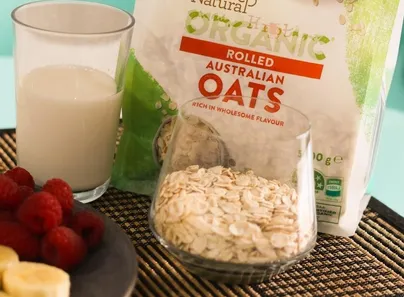
6. Milk alternatives such as soy, almond, rice, and oat milk tend to be fortified with calcium and vitamin D. They're usually low in fat, as well, but be mindful of added sugar.
Legumes and nuts
Legumes and nuts are great for your bones and heart alike. Two great examples are soy and almond products.
7. Soybeans are low in fat but high in calcium, protein, fibre, and isoflavones. These nutrients may all support healthy bones. Examples include edamame, soy milk, and tofu.
8. Almonds are also high in calcium. Almonds and almond butter can be high in calories, but almond milk is usually watered down to a fat content of about 1%.
Fruits (for a healthy treat)
Some foods may be high in sugars or fats, even if they're full of bone-building nutrients. These can be good options for treats, if consumed in moderation.
9. Citrus fruits and fruit juices are high in vitamin C. Fruit juices are also often fortified with calcium, as are many breakfast cereals. Be sure to read the ingredients label to check the sugar content. It's worth being mindful of your sugar intake.
10. Dried figs are a surprisingly rich source of calcium. Even though they are high in natural sugar, the fibre they contain helps offset this. Consider pairing them with a high-protein, high-calcium, vitamin D-fortified cheese. It makes for a nutrient-rich treat. Bon appetite!
Checking your bone health
Your doctor may refer you to get a bone density scan to check your bone health and risk of osteoporosis.
People with a higher chance of getting osteoporosis include:
Men over the age of 60 with one or more additional risk factors
Women over the age of 50 with one or more additional risk factors
Your doctor will assess your risk factors and decide if this test is right for you.
Take charge of your health today
If you would like to find local exercise classes, social activities, and other healthy ageing tips, take the free LiveUp quiz. You can also call one of our helpful team members on 1800 951 971.
For more detailed information about osteoporosis, head to these links:
Groenendijk, I., Grootswagers, P., Santoro, A., Franceschi, C., Bazzocchi, A., Meunier, N., Caille, A., Malpuech-Brugere, C., Bialecka-Debek, A., Pietruszka, B., Fairweather-Tait, S., Jennings, A., & de Groot, L. C. P. G. M. (2022). Protein intake and bone mineral density: Cross-sectional relationship and longitudinal effects in older adults. Journal of Cachexia, Sarcopenia and Muscle, 14(1). https://doi.org/10.1002/jcsm.13111
Ratajczak, A. E., Zawada, A., Rychter, A. M., Dobrowolska, A., & Krela-Kaźmierczak, I. (2021). Milk and dairy products: Good or bad for human bone? Practical dietary recommendations for the prevention and management of osteoporosis. Nutrients, 13(4), 1329. https://doi.org/10.3390/nu13041329
How to use this information
LiveUp provides free information to help you make informed decisions about your health. This information is for general and educational purposes only, is not intended to provide a comprehensive guide, and does not replace medical advice. Everyone is different, so some of these tips may work better for you than others. You should use your own judgment and seek medical advice when applying this information to yourself, to determine if it is suitable in your circumstances. Your use of, or reliance on, this information is solely at your own risk. Independent Living Assessment Incorporated is not responsible or liable for any injury, loss, or damage caused as a result of your use of, or reliance on, this information.
Download and print this article:
You can print out the PDF and stick it to your fridge or file away the tips to revisit at a later time.
Read more Nutrition articles
Did you enjoy this article? You may also like reading similar healthy ageing articles.