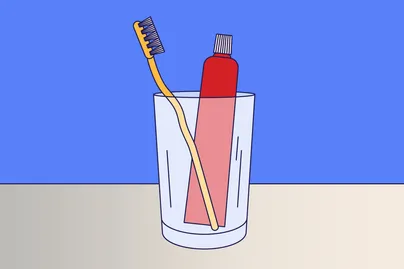
Oral health is the condition of our teeth and gums, as well as the health of the muscles and bones in our mouths.
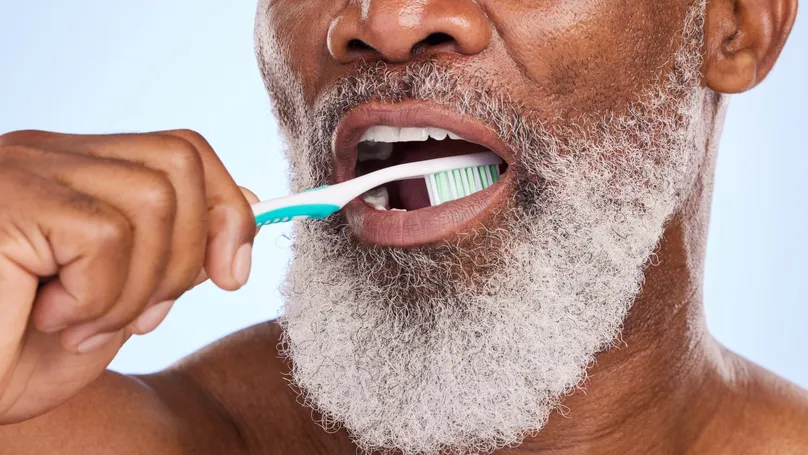
As you age, your oral health needs can change. This can be due to other health conditions you may have or the side effects of certain medications. Dental and general health are closely related, so it’s important for you to maintain a healthy lifestyle.
A healthy mouth also means you can eat, speak, and smile without pain or embarrassment. An unhealthy mouth can be costly and lower the quality of your life.
Four steps for oral health
- Clean your teeth twice a day using a toothbrush and toothpaste containing fluoride.
- Clean between your teeth every day using floss or an alternative. A dentist can provide advice on what will work best for your teeth.
- Eat a healthy balanced diet. Avoid snacking and cut back on sugar. Sugar is the main cause of tooth decay.
- Visit a dentist for regular check-ups and support. The ADA’s Find a Dentist website can help you to find a dentist for your needs, including Public Health and community dentists.
Healthy mouth, healthy body
Seeing a dentist means oral health issues can be found early. For example, tooth decay, gum disease and oral cancers may not cause pain until they’re well advanced.
A healthy mouth can help you maintain a healthy body.
Researchers are now finding connections with oral health and type 2 diabetes, heart diseases, gut issues, lung conditions, and Alzheimer’s disease.
How often should you see a dentist?
The answer to how often you should visit a dentist depends on your individual needs and risk factors. Some people may only need to visit the dentist once or twice a year, while others may need to go more often.
A dentist can create an individual treatment plan for you and advise how often to have a check-up. This will be based on your oral health history and if you are at risk of having dental problems. For example, if you have diabetes, heart disease, or other chronic conditions that can affect your oral health.
You should see a dentist for tooth damage, gum diseases, dry mouth, dentures and denture-related problems. However, there are other health conditions a dentist can help you to manage. For example:
- Diabetes