Learn how exercise can help you prevent and manage type 2 diabetes. Get safe, practical advice to help you start exercising.
What is type 2 diabetes?
Type 2 diabetes mellitus (T2DM) is the most common type of diabetes. It happens when the level of glucose (sugar) in your blood is too high.
Blood glucose comes from the food you eat and is your body’s main source of energy. Insulin is a hormone made by the pancreas. It helps glucose move from your blood into your cells, where it’s used for energy.
With T2DM, your body doesn’t make enough insulin, or it doesn’t use insulin properly. This can cause glucose to build up in the blood over time, increasing your risk of:
Vision loss
Nerve damage
Heart disease
What puts you at risk of type 2 diabetes?
You might have a higher chance of developing T2DM if you:
Are overweight
Are not exercising regularly
Eat a diet high in processed, sugary foods and low in vegetables and fibre
Have a family history of diabetes
The good news is that regular exercise is one of the most effective ways to lower your risk of T2DM. If you already have T2DM, exercise can help you manage it well, too.
The benefits of exercise
Doing the recommended amount of physical activity can reduce your risk of T2DM by almost 60%. This is because exercise helps your body use insulin better and keep blood sugar levels stable. It does this by:
Helping your muscles use glucose more easily
Burning energy, building muscle, and balancing appetite, which makes it easier to maintain a healthy weight
Your feedback helps LiveUp to curate information that matters to you.
You might also be interested in these resources
The benefits of cycling for older people
Discover the health benefits of cycling for older adults. A low-impact exercise that strengthens bones, muscles, and the heart, promoting healthy ageing.
The recommended amount of exercise for older people is at least 150 minutes of moderate activity each week. This could mean doing around 30 minutes of activity on most days.
Make you breathe harder, but not leave you out of breath
What's considered 'moderate' will depend on the person. For some, a slow walk on a flat surface might be moderate intensity. For others, they might need to do a brisk walk up an incline to feel the same level of effort.
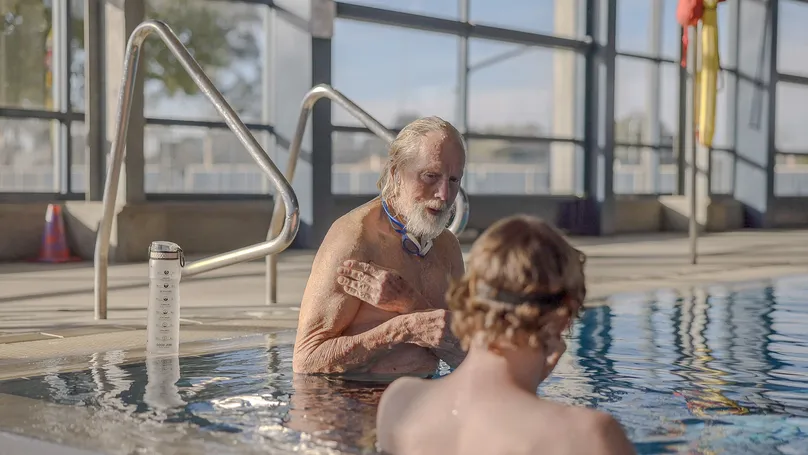
The most important thing is to move your body regularly. Choose a routine that you can stick to over a long time, and do a mix of activities for the best results. This includes aerobic exercise, like swimming or walking, and resistance exercises.
Try to include resistance exercises, like weight or strength training, on at least 2 days per week. Working on your balance and flexibility can also help if your feet have been affected by nerve damage.
Staying safe while exercising
To exercise safely and get the most benefit, keep these tips in mind:
Get advice from your healthcare team before starting a new exercise program.
You may wish to see an exercise physiologist for a personalised exercise plan.
If you take insulin, check your blood sugar levels before and after exercise.
Start slowly and build up gradually over time.
Avoid high‑intensity exercise if you’re feeling unwell.
If you have nerve damage in your feet, choose low‑impact exercise.
Wear appropriate footwear to avoid foot injuries and ulcers, and see a podiatrist for regular foot checks.
Exercise with someone else or under supervision in case your blood sugar drops and you need support.
Drink plenty of fluids before, during, and after exercise. This could be water, or a sweetened drink if you need extra carbohydrates.
Because exercise can affect blood sugar levels, you may need to adjust what you eat or your diabetes medication. Speak to your doctor - they can help you work out what’s right for you.
Understanding low and high blood sugar during exercise
Exercise can sometimes cause blood sugar levels to drop too low or rise too high. This is especially true for people taking insulin or certain medications.
Hypoglycaemia is when your blood sugar drops too low. It may cause shaking, sweating, dizziness, hunger, or tingling around the mouth. Hyperglycaemia is when your blood sugar is too high. It may cause thirst, tiredness, blurred vision, or the need to urinate more often.
Knowing the signs can help you exercise more safely and get help early if you need it. If you notice symptoms of low or high blood sugar while exercising, stop the activity. Take action as advised by your healthcare team before continuing.
If you use a blood glucose meter, it’s also important to know what a normal blood sugar level is for you. Your doctor can help you decide what the best target range is.
Other ways to stay well
Staying active is just one part of managing type 2 diabetes. Here are some other ways to look after your health day to day:
Eat a balanced diet high in vegetables, fruits, whole grains, lean proteins, and healthy fats.
Stay engaged in everyday activities like cleaning and gardening, not just planned exercise.
Figure out how food, exercise, and other factors affect your blood sugar levels. That way, you can learn to self-manage your condition.
Have regular check-ups with your healthcare team. Get their support for a diabetes management plan.
Find ways to manage stress and look after your mental health. This could include getting enough sleep and staying socially connected.
Get in touch with LiveUp
For more information about exercise and type 2 diabetes, you may find these resources helpful:
If you’d like help finding local exercise classes or social activities, try the LiveUp quiz. You can also get in touch with one of our friendly team for advice on 1800 951 971.
Colberg, S. R., Sigal, R. J., Fernhall, B., Regensteiner, J. G., Blissmer, B. J., Rubin, R. R., Chasan-Taber, L., Albright, A. L., & Braun, B. (2010). Exercise and Type 2 Diabetes: The American College of Sports Medicine and the American Diabetes Association: joint position statement. Diabetes Care, 33(12), 147–167. https://doi.org/10.2337/dc10-9990
LiveUp provides free information to help you make informed decisions about your health. This information is for general and educational purposes only, is not intended to provide a comprehensive guide, and does not replace medical advice. Everyone is different, so some of these tips may work better for you than others. You should use your own judgment and seek medical advice when applying this information to yourself, to determine if it is suitable in your circumstances. Your use of, or reliance on, this information is solely at your own risk. Independent Living Assessment Incorporated is not responsible or liable for any injury, loss, or damage caused as a result of your use of, or reliance on, this information.
Download and print this article:
You can print out the PDF and stick it to your fridge or file away the tips to revisit at a later time.
Read more Fitness articles
Did you enjoy this article? You may also like reading similar healthy ageing articles.