You can build up a cognitive reserve to keep your brain healthy into old age. With the right tools and support, dementia symptoms can also be managed.
Keeping your brain active is a great way to build reserves of healthy brain cells. It is also important for maintaining the connections between brain cells. According to the Brain Foundation, there are many ways to keep your brain healthy.
Harvard Health says that brainy activities stimulate new connections between nerve cells. They may even help the brain generate new cells. This means you can develop neurological plasticity as well as building a reserve of thinking abilities.
When you’re older this could help delay the onset of dementia. Scientists think this is because the brain gets more opportunities to receive signals.
Dementia
Dementia is a term used to describe a collection of symptoms caused by disorders affecting the brain. Alzheimer’s disease is the most common form of dementia.
Learn about new drugs that aim to slow diseases like Alzheimer’s by up to 35% when started at an early stage.
Alzheimer’s disease
Ongoing research and new discoveries about Alzheimer’s disease continue to emerge. The genetics of Alzheimer’s disease is complex. More than one gene mutation can be a cause. Also, genes on many chromosomes are involved.
Ten years ago, researchers found only 10 genes linked with Alzheimer’s. Since then, scientists have discovered more than 70.
Genetics also explain only about a third of cases. This is because your actions and choices can positively or negatively change the way certain genes work. Your risk may increase because of factors like an unhealthy diet, smoking, not exercising, or head injuries.
Did you find this article useful?
Your feedback helps LiveUp to curate information that matters to you.
You might also be interested in these resources
10 tips to boost memory and brain health
Support your memory and brain health with 10 practical tips for staying mentally sharp, active, and engaged as you age. Designed for older Australians.
Discover how staying socially connected can improve your health as you age. Explore local groups, social activities, and tips for stronger connections.
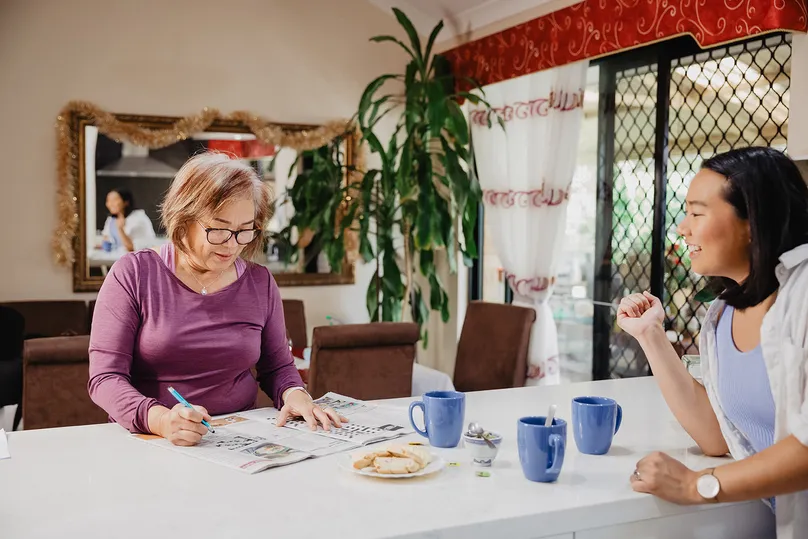
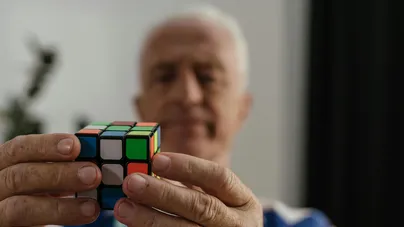
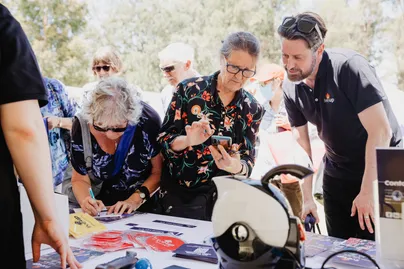
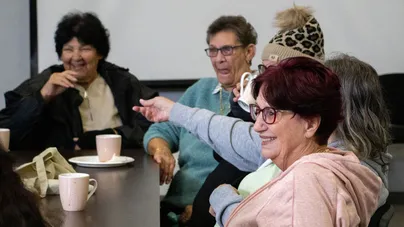
Physical and cognitive exercise can reduce your risk of dementia. Almost any type of mental activity may be beneficial. Activities with a social aspect are even better. Many of these examples offer a combination of mental, physical, and social benefits:
Getting out and about to places like museums, exhibitions or community events and activities
What’s good for your heart is also good for your brain
Oxygen is carried to the brain by blood vessels. You can keep your blood vessels healthy with what you eat, how much you move, not smoking, and controlling your cholesterol and blood pressure. Keeping your heart healthy is something you can work on every day. The Heart Foundation lists practical tips for:
Eating a heart healthy diet and being more active
Smoke-free living
Controlling your cholesterol levels and blood pressure
Today, more is known about the symptoms caused by many disorders affecting the brain. There is also a better understanding of what it is like to experience these symptoms.
The focus is on supporting people with dementia and their family carers to live well at home. Training family members to care for their loved ones is having positive results.
After training, family members understand their loved one’s behaviour. This makes it easier to manage day-to-day caregiving. As a result, the family member with dementia becomes more involved with activities. This is what a study of the COPE program found.
More helpful information
If you need more information, get in touch with one of our helpful team on 1800 951 971. You can also find other tips and advice by following the links below:
Dementia Australia. (2023, September). Research into quality dementia care and the best ways of supporting carers provides important insights into improving quality of life of people with dementia, their families and carers. https://www.dementia.org.au/about-dementia/dementia-research/dementia-care
Clemson, L., Laver, K., Rahja, M., Culph, J., Scanlan, J. N., Day, S., Comans, T., Jeon, Y.-H., Low, L.-F., & Crotty, M. (2021). Implementing a reablement intervention, “Care of People With Dementia in Their Environments (COPE)”: A hybrid implementation-effectiveness study. The Gerontologist, 61(6), 965–976. https://academic.oup.com/gerontologist/article/61/6/965/5893197
LiveUp provides free information to help you make informed decisions about your health. This information is for general and educational purposes only, is not intended to provide a comprehensive guide, and does not replace medical advice. Everyone is different, so some of these tips may work better for you than others. You should use your own judgment and seek medical advice when applying this information to yourself, to determine if it is suitable in your circumstances. Your use of, or reliance on, this information is solely at your own risk. Independent Living Assessment Incorporated is not responsible or liable for any injury, loss, or damage caused as a result of your use of, or reliance on, this information.
Download and print this article:
You can print out the PDF and stick it to your fridge or file away the tips to revisit at a later time.
Read more Memory articles
Did you enjoy this article? You may also like reading similar healthy ageing articles.