Answers to the frequently asked questions about personal alarms.
What is a personal alarm?
A personal alarm is a safety device that calls for help if you have an emergency like a fall or medical issue. This ensures timely support from emergency services and contacts, which can help reduce the risk of more serious injury.
A personal alarm system can be very helpful when used in the right way. It could improve your mental health by giving you peace of mind if you feel unsafe in your own home.
What are the benefits of personal alarms?
A landmark Australian study found that personal alarms can help older people:
Feel safer in their homes
Reduce anxiety and fear of falling
Improve confidence doing daily activities
This can improve your quality of life by giving you the confidence to:
Maintain an active and social lifestyle
Live independently at home for longer
What are the limitations of personal alarms?
Personal alarms don’t necessarily affect outcomes such as:
Time spent on the floor after falls
Social isolation
Overall health and wellbeing
This is why other options such as falls prevention programs should be considered alongside personal alarms.
The cost of personal alarms may also prevent some older adults from buying one, and some people may just not want to use them.
This article has answers (not recommendations)
If you’re curious to learn more, below are the answers to some commonly asked questions about personal alarms.
This is not a list of recommendations. This article can't tell you which is the best personal alarm for you, or if you should get one. If you think you may benefit from a personal alarm, talk to an occupational therapist (OT).
Did you find this article useful?
Your feedback helps LiveUp to curate information that matters to you.
You might also be interested in these resources
Helpful bathroom safety products
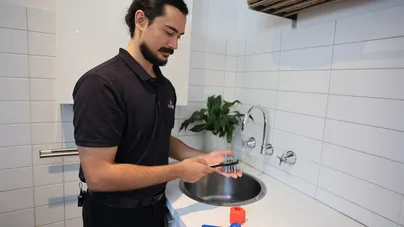
Ensure safety in the bathroom with assistive products like grab bars, non-slip mats, and raised toilet seats. Learn how to prevent falls in the bathroom.
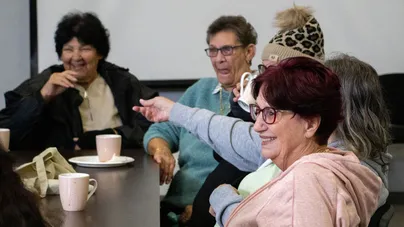
Discover how staying socially connected can improve your health as you age. Explore local groups, social activities, and tips for stronger connections.
Personal alarmsshould be selected and used under professional advice only. Consult an allied health professional to find the best fit for your needs.
Frequently asked questions about personal alarms for older people
How and where can you wear a personal alarm?
There are different types of personal alarms, and where you can wear one depends on which alarm you have.
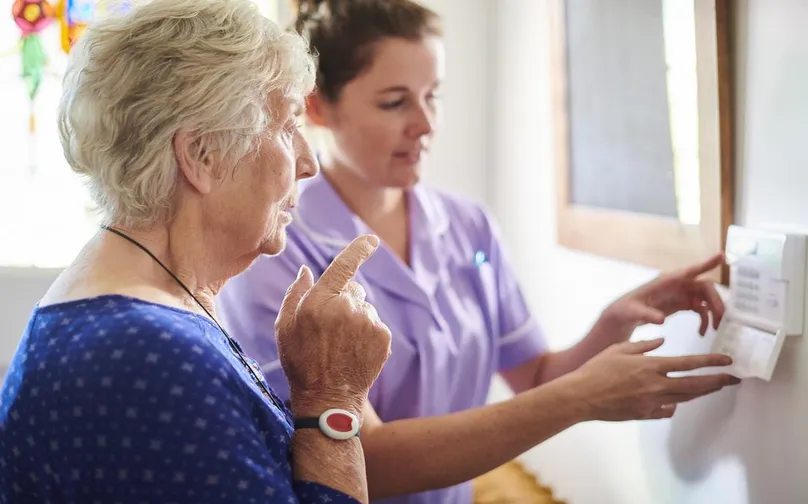
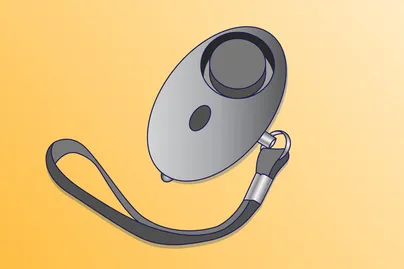
You may be able to wear an alarm pendant around your neck, as a necklace. You could get a personal alarm watch to wear on your wrist. Or you might get an alarm you can wear on your belt.
There are alarm options that operate both within your home and while you’re out in the community.
What are the costs?
Costs may include things like the sim card, 24-hour support services, or the costs of calls made by the user. Single and ongoing cost amounts can vary. This is why it is important to ask:
Is there an ongoing cost, how much is it, and what does this cover?
Can I use funding via my My Aged Care, Commonwealth Home Support Package (CHSP) or Home Care Package (HCP), or the National Disability Insurance Scheme (NDIS), to pay for single or ongoing costs?
What is the difference between showerproof and waterproof?
Showerproof means you can wear it in the shower or in the rain.
Waterproof, which is also known as plunge-proof, means you can wear it in the bath and the pool and fully submerge it.
What is a fall detection alert?
An automatic fall detection feature is when the alarm will sense you have had a fall. It then automatically notifies your personal contacts or contact centre with a fall detection alert.
What is a 24-hour monitoring service?
Some alarms have the option of dialling a 24-hour monitoring service. The monitoring centre will follow a plan designed by you. Personal information can be passed onto emergency services or support people as required.
This service may suit you if:
You have limited social supports available. If it's unlikely that someone would be available to answer and respond to an emergency call.
Your family or friends live very busy lifestyles. If they aren’t often available or have limited phone access.
You want extra peace of mind that there will be someone to answer the call in an emergency.
What does an SOS button do?
If you press the SOS button (or help button) on the alarm, it will activate a voice call. It will also send an SOS text to your emergency contact or emergency response centre. You can talk into the device on speaker and handsfree mode.
What does the GPS location tracker do?
It sends a precision Google Maps link via an SOS text message.
The device may also be precisely located at any time by sending a text message.
What is a cordless charging dock?
This is an easy-to-use charging dock. This can help a lot if you have poor eyesight and difficulty plugging in cables. To charge your personal safety alarm, you simply place it on top of the dock.
What to do in an emergency
In case of an emergency, how will the responder enter your home? You might like to consider a key lock box, or key safe.
This allows you to securely keep a spare key at the front of your home. Only those with the access code will be able to get the key. Some installation may be required.
LiveUp’s assistive products database
LiveUp’s assistive products database offers cost-effective solutions. You can also read about some popular gadgets in our article on low-cost assistive technology. LiveUp is powered by a not-for-profit, so we don't make any money from these suggestions.
The products database offers some simple solutions to everyday problems. However, we recommend you get advice from an experienced occupational therapist when it comes to assistive products and home modifications. This ensures that your needs are met with the most appropriate products and safest placement of fixtures.
The same advice applies if you think you might need a personal alarm.
An occupational therapist can help you
You may benefit from seeing an occupational therapist for some professional advice. An OT can help you choose a personal safety alarm that suits your needs best. They can also help you find other products that allow you to do the things you want to do, now and into the future.
Konara Mudiyanselage, S. P., Yao, C. T., Maithreepala, S. D., & Lee, B. O. (2025). Emerging digital technologies used for fall detection in older adults in aged care: A scoping review. Journal of the American Medical Directors Association, 26(1), Article 105330. https://www.jamda.com/article/S1525-8610%2824%2900752-7/fulltext
LiveUp provides free information to help you make informed decisions about your health. This information is for general and educational purposes only, is not intended to provide a comprehensive guide, and does not replace medical advice. Everyone is different, so some of these tips may work better for you than others. You should use your own judgment and seek medical advice when applying this information to yourself, to determine if it is suitable in your circumstances. Your use of, or reliance on, this information is solely at your own risk. Independent Living Assessment Incorporated is not responsible or liable for any injury, loss, or damage caused as a result of your use of, or reliance on, this information.
Download and print this article:
You can print out the PDF and stick it to your fridge or file away the tips to revisit at a later time.
Read more Safety articles
Did you enjoy this article? You may also like reading similar healthy ageing articles.