Here are some ideas for low-cost items that could make your life easier!
What's assistive technology?
Assistive technology refers to products and supports that make your life easier.
These can include:
Vision supports like glasses
Hearing supports like cochlear implants
Physical supports like walking aids
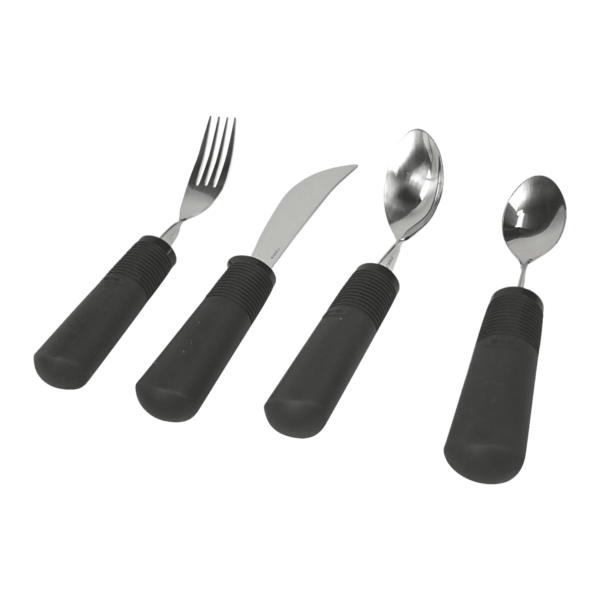
Specialised tools like easy-to-grip eating utensils
There are so many kinds of useful products. These items are all designed to help people do everyday tasks independently.
What's low cost?
There are a few different ways to define 'low cost'. After all, a reasonable price to some might be out of budget to others.
What does 'low cost' mean to LiveUp? Well, all the low-cost assistive products listed in this article are under $200. Even better, most are around $10 to$50.
However, if using My Aged Care or NDIS funding to buy assistive technology, 'low cost' is defined as anything under $1500 per item.
For a more detailed look at everyday assistive technology, have a read of the Making Choices Finding Solutions Guide.
Examples of low-cost assistive technology you can use around your home
To get you started, below are a few ideas for affordable assistive technology products to help you in every area of the home.
Most of these items are available from retailers like Bunnings, Kmart, Spotlight, Myer, and so on.
Did you find this article useful?
Your feedback helps LiveUp to curate information that matters to you.
You might also be interested in these resources
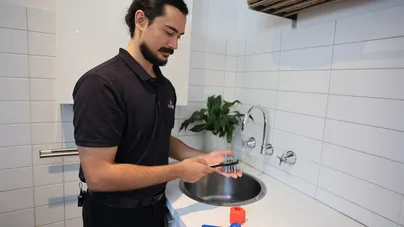
Helpful bathroom safety products
Ensure safety in the bathroom with assistive products like grab bars, non-slip mats, and raised toilet seats. Learn how to prevent falls in the bathroom.
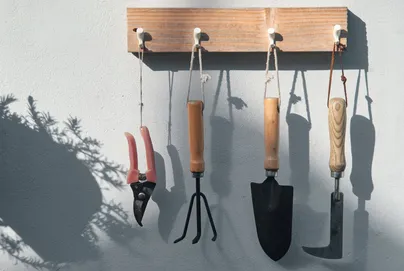
Adaptive gardening tools comprehensive guide for older adults | Stay active & safe
Explore a comprehensive range of adaptive gardening tools for older adults in Australia. Ergonomic, long-handled, and low-risk tools make gardening easier and safer.
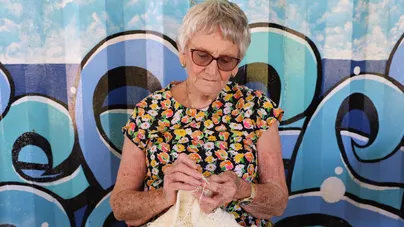
Explore creative and accessible craft products that enhance your hobbies. Discover assistive tools and materials that make crafting easier and more enjoyable.
LiveUp is a non-profit funded by the Health Department, so we don't earn money from these suggestions. We're not connected to any retailers or products in any way. Our goal is to help you find practical, cost-effective solutions that make everyday life easier.
Low-cost assistive technology for the bathroom
You can buy various helpful products for bathroom safety from many retailers:
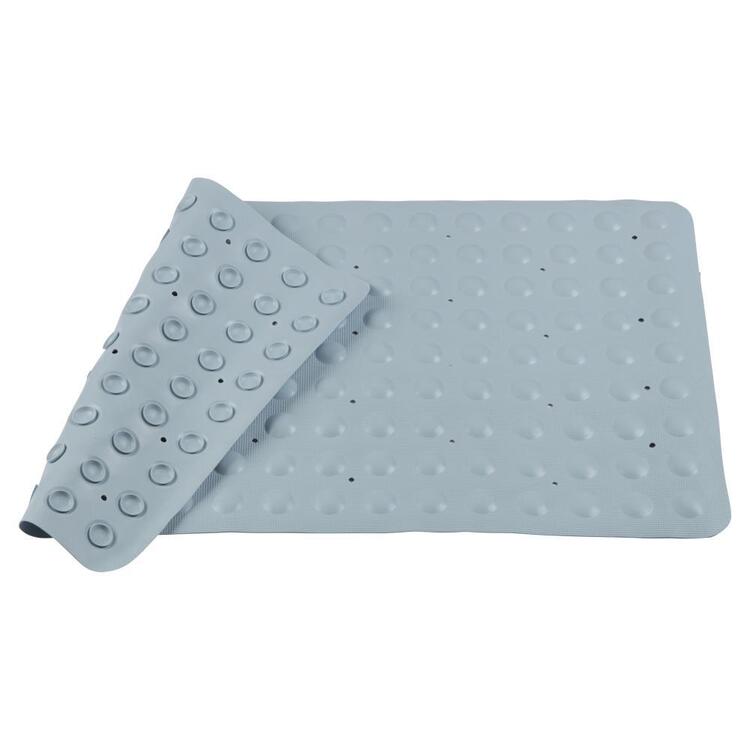
Non-slip bath mats
Non-slip bath mats can come from places like Bunnings, Kmart, and Spotlight for around $8to$18.
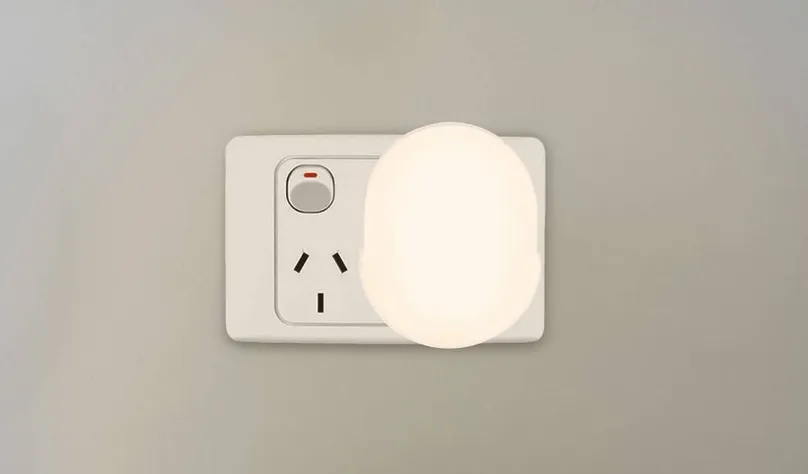
Automatic lights
Sensor nightlights or automatic nightlights can help you find your way safely to the bathroom at night. You can find some for as little as $10 to $20 at a range of retail stores, including Bunnings.
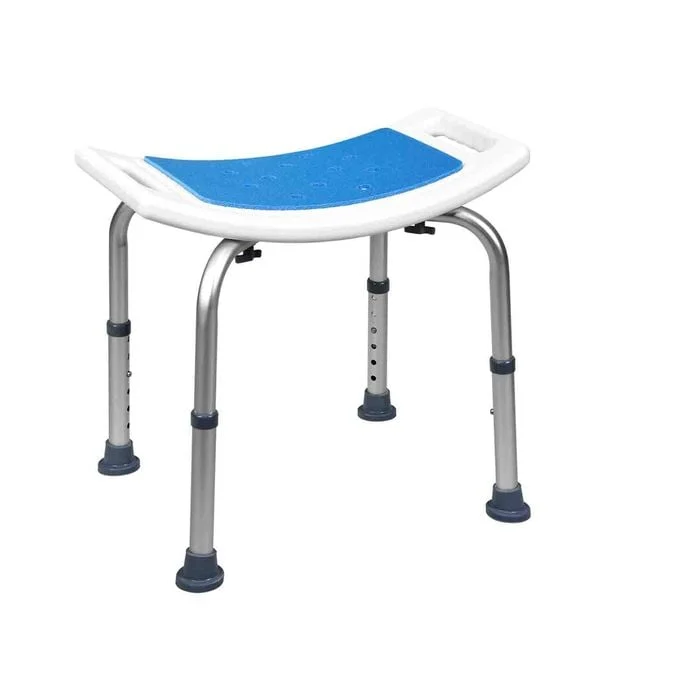
Shower supports
You can find a shower stool or shower chair in the $100to $200 range. Under professional advice, physical supports like this could make showering easier and safer.
Seek advice from an occupational therapist if you think you need a shower stool or shower chair.
Looking for helpful kitchen assistive products? There are plenty of affordable options available:
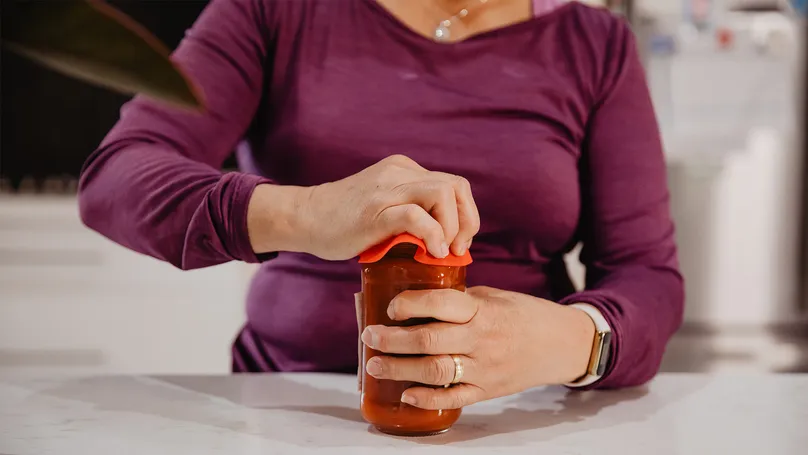
Jar openers
Jar openers that provide extra grip can cost about $15 to $20.
There are also automatic jar openers that help you to open jars with one hand. These cost a bit more, ranging from $20 to $100.
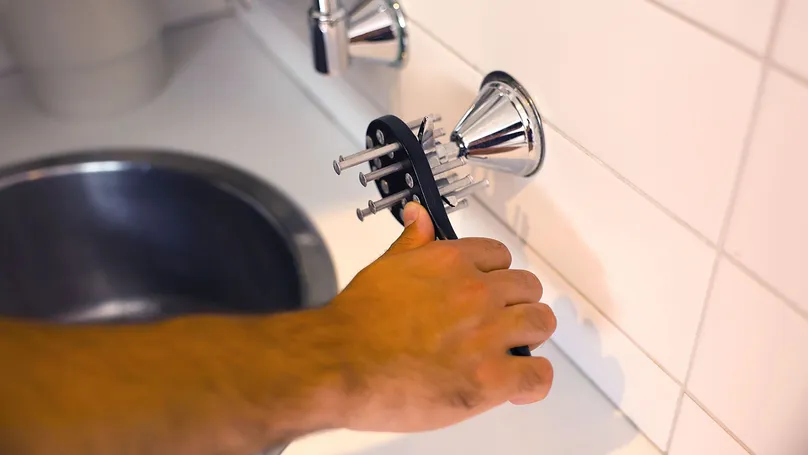
Tap turners
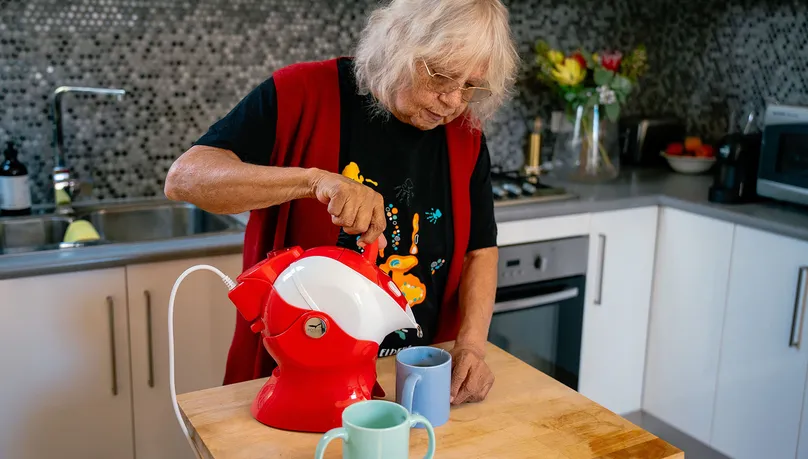
Tap turners fit over your tap to help you turn the tap on and off. These are helpful if you have a weak grip. They come in a wide range of forms and prices, from $10 to $60.
Easy-grip cutlery
Easy-grip cutlery sets have wider handles, a non-slip grip, and are lightweight. These are helpful if you have a weak grip, pain, or tremor. This type of cutlery ranges from about $15 to $65 and you can usually buy either one piece or a whole set.
There are plenty of low-cost items for your lounging, leisure, and hobby needs:
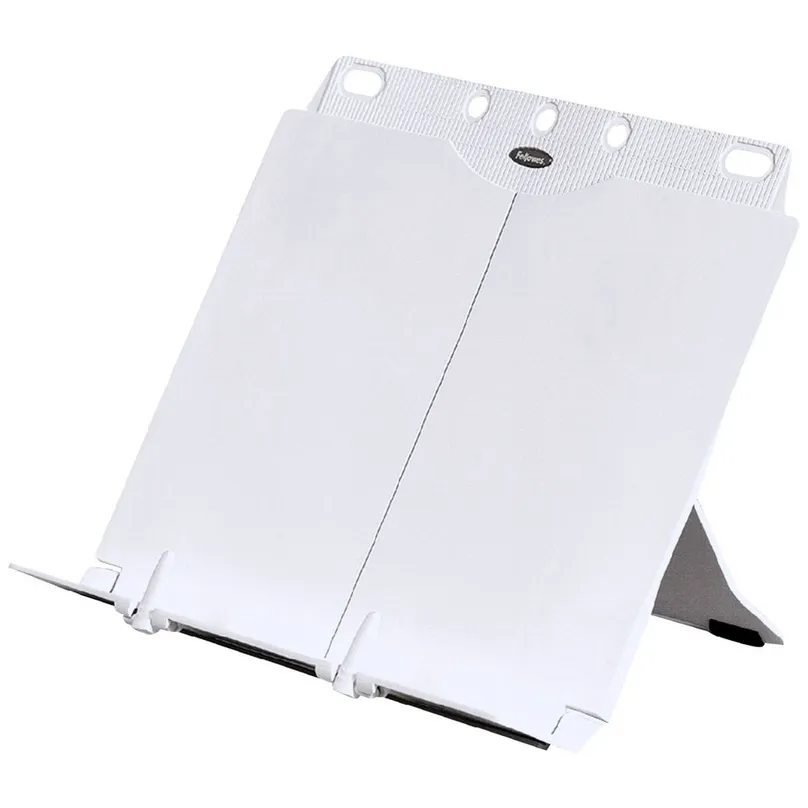
Book stands
Book stands and wedges hold your books or tablets, so you don’t have to. These are useful if you get tired or experience pain from holding pages open.
These usually cost around $30.
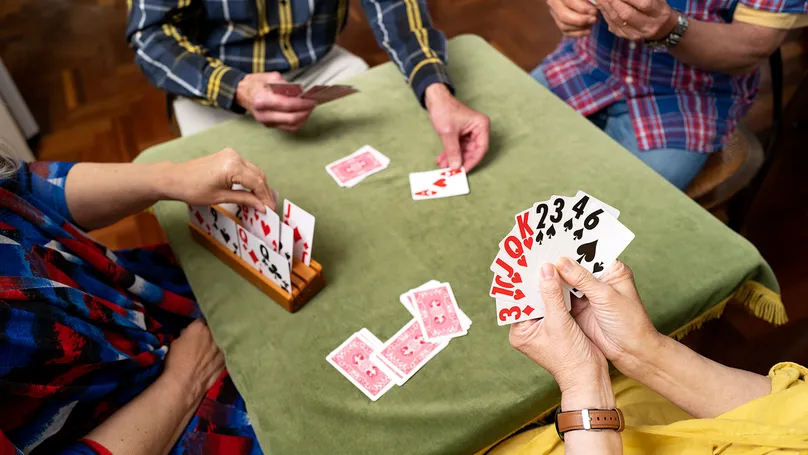
Jumbo playing cards
Jumbo playing cards are up to 50% larger than standard playing cards. This means they're easier to hold and see. This can make game night easier if you have a vision impairment.
You can find these for as little as $11 from Big W.
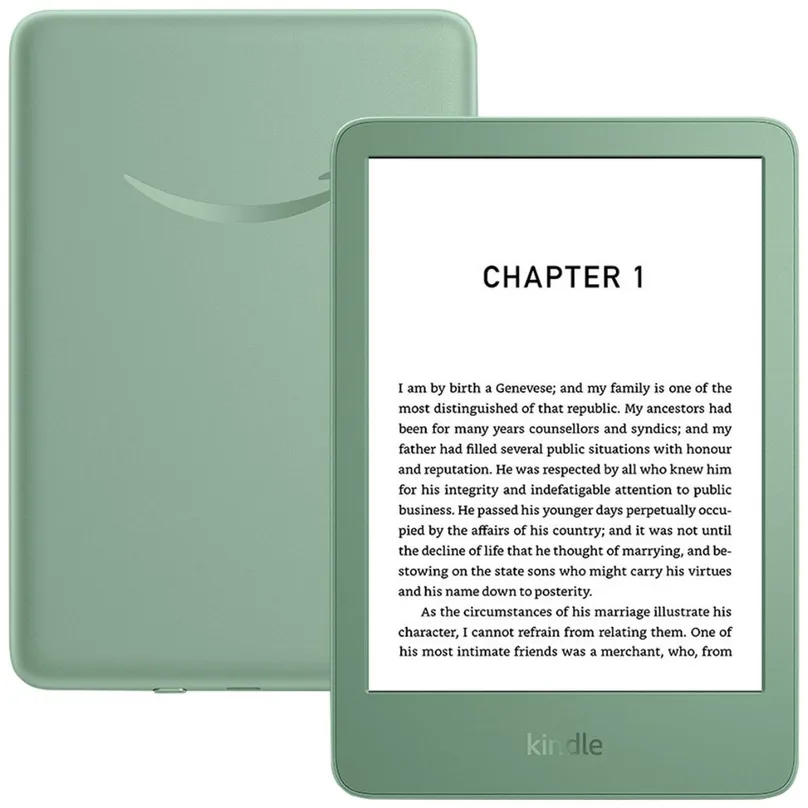
E-readers
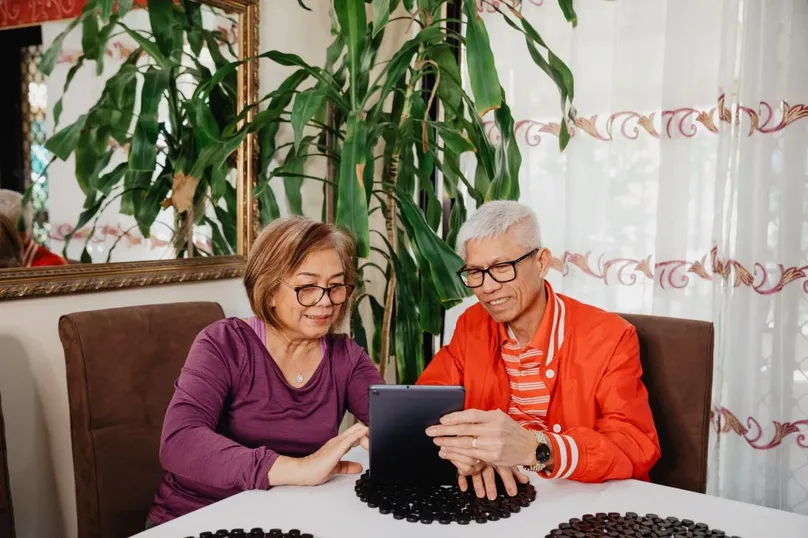
E-readers can be under $200. They can come with accessibility features, such as enlarging the font to make reading easier on your eyes.
Many e-readers can be used for both e-books and audiobooks. Some also let you borrow and download books from your local library using a library membership and a Wi‑Fi connection.
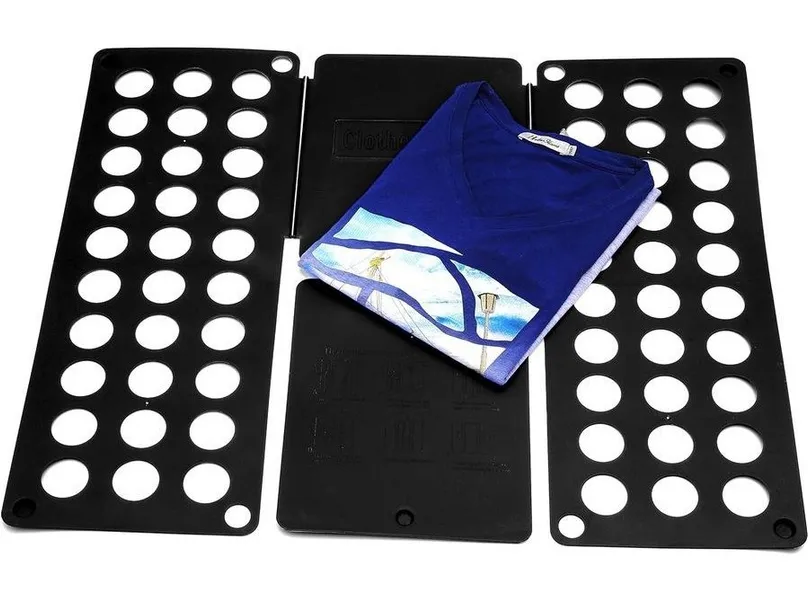
Make folding clothes easy on your upper extremities with a folding aid. You can find them in places like Big W for under $20.
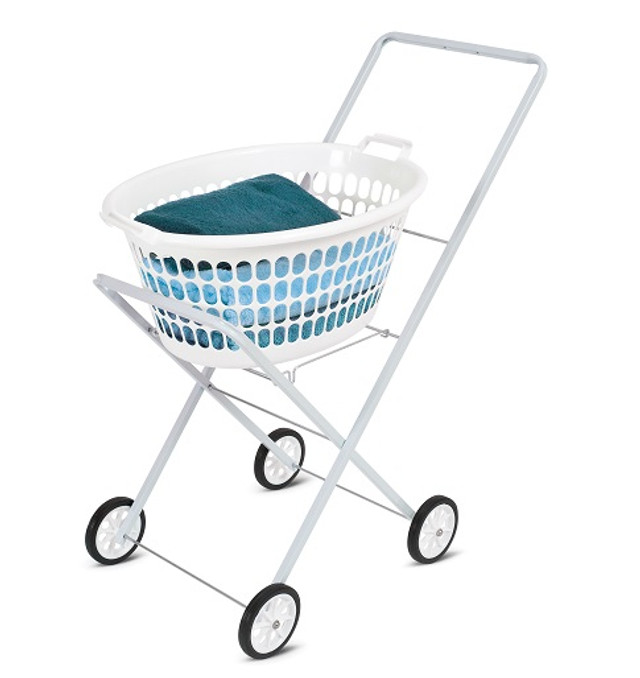
Landry trolleys
Basic washing basket trolleys are available from retailers for under $20. You can use one of these to carry heavy laundry both to and from the washing line.
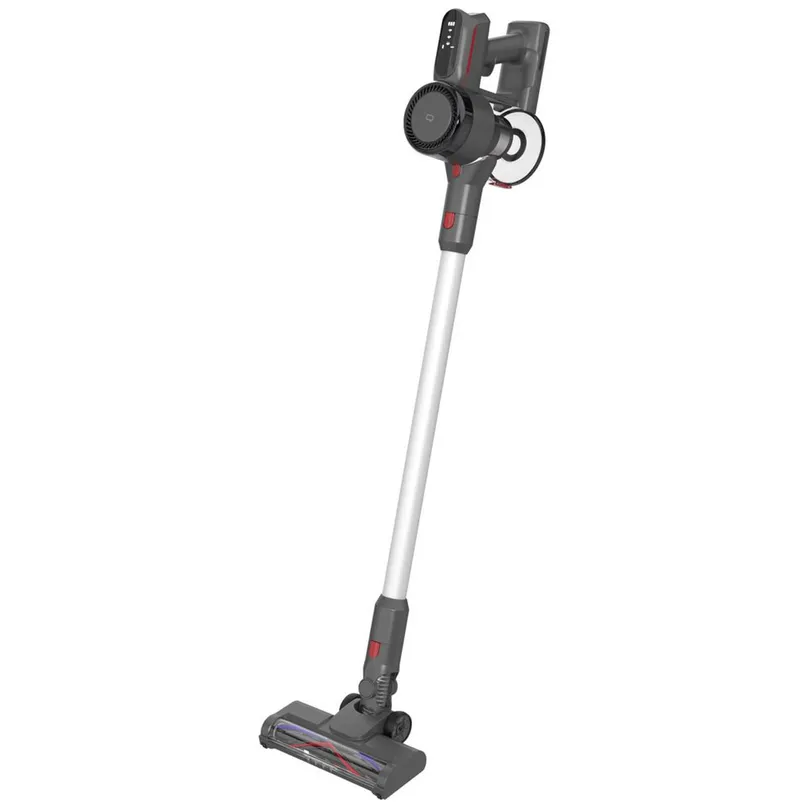
Cordless appliances
Having too many cords lying around can lead to trip hazards. Consider using devices such as:
Stick vacuums, which can be found for around $80 at Kmart.
These appliances are lightweight with long handles, which makes moving them around your home easier.
Low-cost assistive technology for the bedroom
Here are some helpful products you can use in your bedroom:
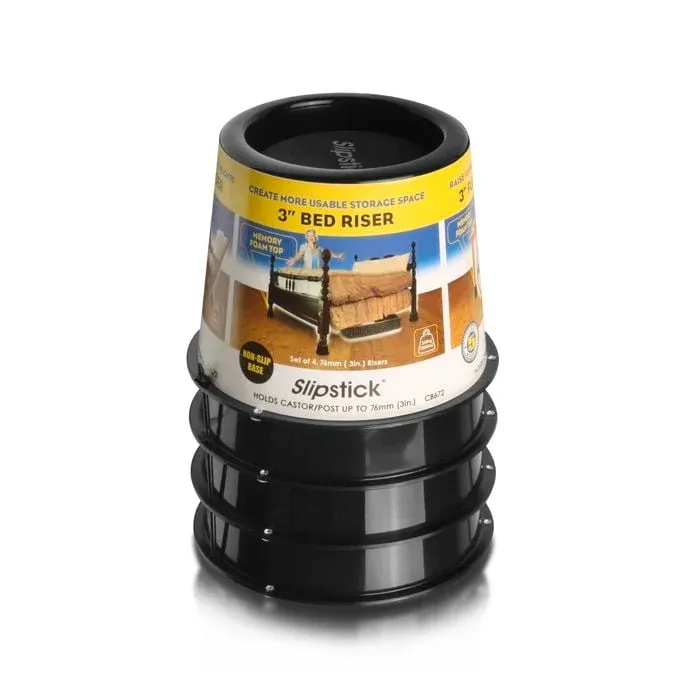
Bed raisers and wheels
If you need to move your bed often to change the sheets, you can attach bed foot wheels to make this easier.
Bed raisers or wheels also raise the height of your bed. This makes getting in and out a bit more manageable.
These products can cost as little as $5.
White noise for sleeping
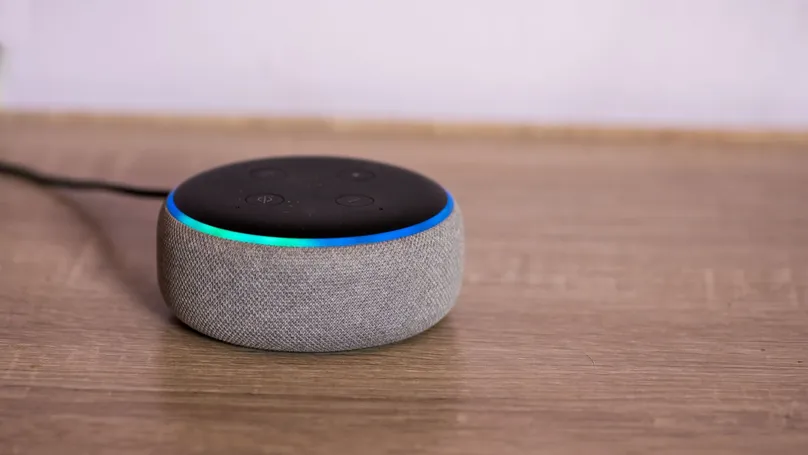
If you have trouble getting to sleep, a white noise machine might help. You can also use a smart home assistant or apps on your phone to support sleep with soothing sounds and meditations.
Dressing aids
Here are some examples of products that can make getting dressed easier:
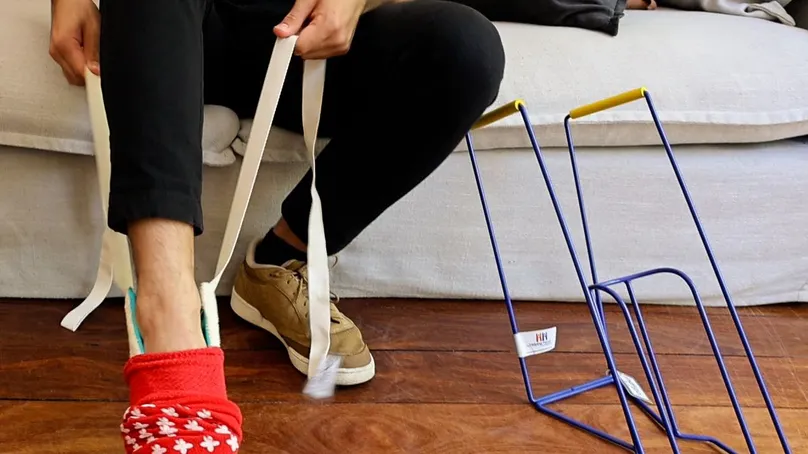
A shoehorn helps you put your foot in your shoe if you have difficulty bending down. You can find shoehorns at many retailers for as little as $6.
You can get various types of sock and stocking aids to help you pull up your socks. These come in a wide price range, starting from $15.
Low-cost assistive technology for around the house
Here are some products that make everyday activities around the house easier:
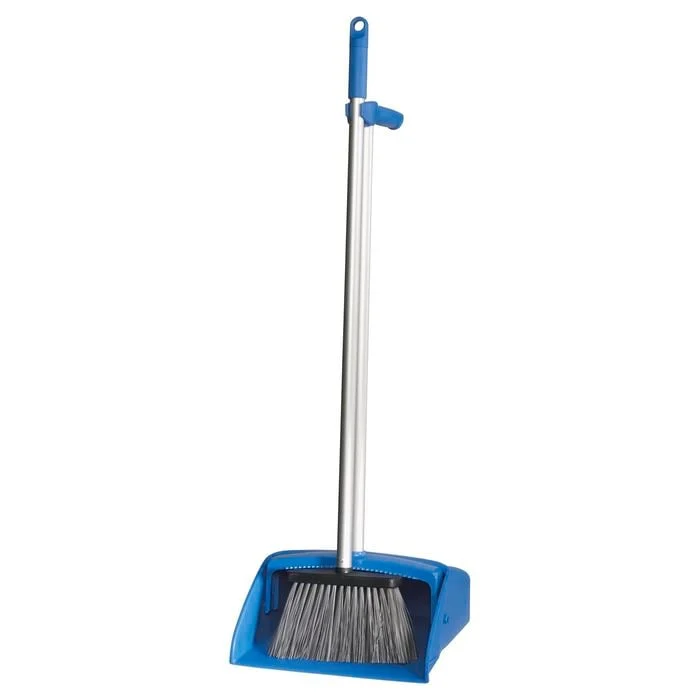
Long-handle dustpans
Long-handle dustpans help you spend less time crouching over. These can cost under $15.
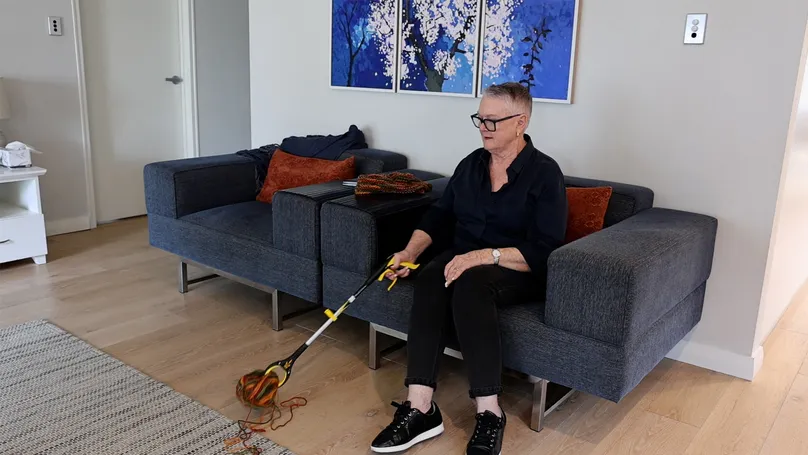
Grabbing sticks
Reaching or grabbing sticks can save you some back pain when reaching for things. Find these at a variety of retailers for under $10.
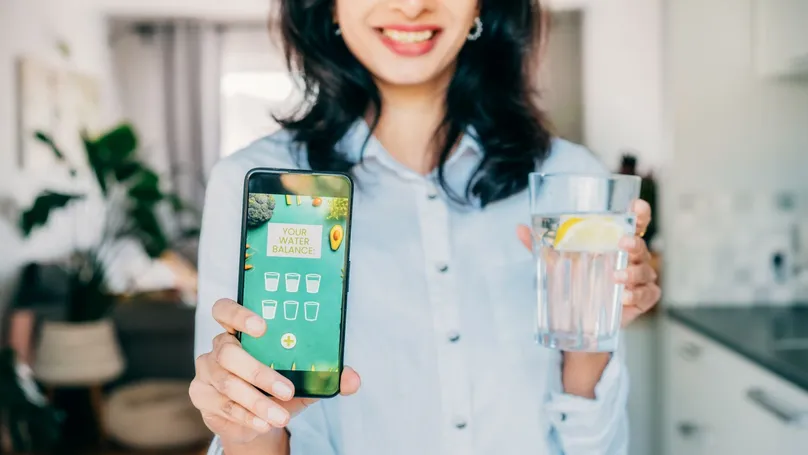
Daily living apps
There are many free or affordable mobile apps ideal for older people. They can help you keep on top of daily living things like:
Mental health and mindfulness habits
Staying hydrated
Staying active
Low-cost assistive technology for outside the house
There are many helpful products for outdoor activities like gardening, as well as things that make travelling around easier. Here are some things to help you out when you're heading outside:
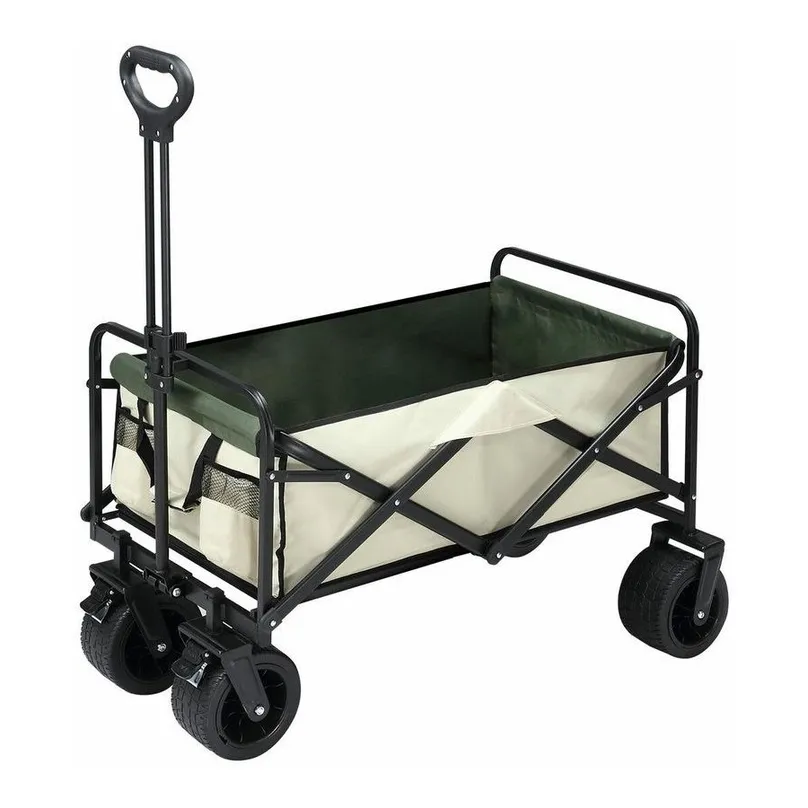
Outdoor carts
For shopping trips, you might like a foldable beach trolley, also called an outdoor cart. These are helpful to carry shopping or other heavy items. They are easily foldable and can fit in your car boot. You can buy one in a price range from $60 to $100.
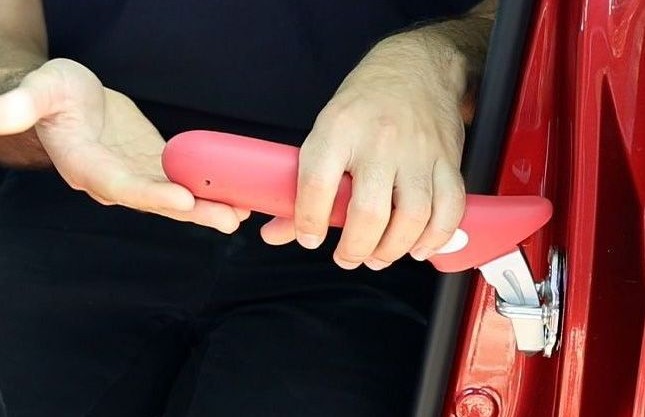
Car transfer bars
Car transfer bars can help you get in and out of your car safely. These transfer aids are light enough to take with you in taxis, too.
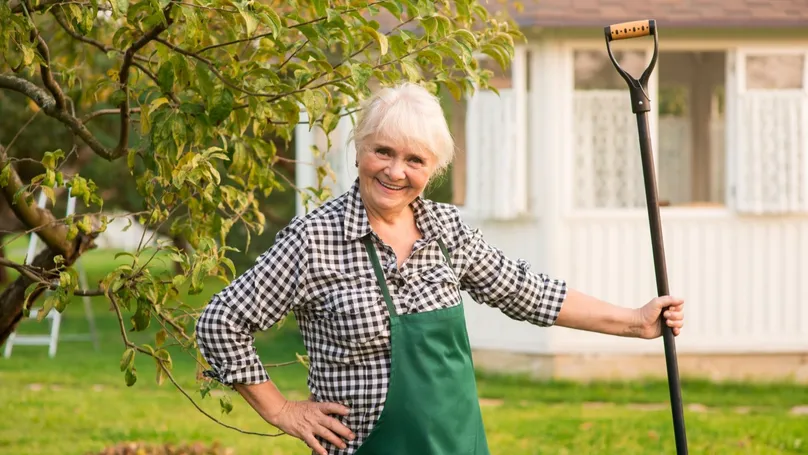
Long-handled garden tools
In the garden, long-handled garden tools can help you avoid stooping. This can cost between $30 to $50 from a variety of retailers.
You may benefit from seeing an occupational therapist (OT) for some professional advice. An occupational therapist has specialised knowledge to help you adapt tasks and find products that suit your needs.
Can’t find an OT in your area through OTA? You can also check Healthdirect’s tool for finding an OT by location.
If you need more information about healthy ageing, take the LiveUp quiz or get in touch with one of our helpful team on 1800 951 971.
You can also check out LiveUp's assistive products database for other items that have been known to help people maintain their quality of life and independent living.
LiveUp provides free information to help you make informed decisions about your health. This information is for general and educational purposes only, is not intended to provide a comprehensive guide, and does not replace medical advice. Everyone is different, so some of these tips may work better for you than others. You should use your own judgment and seek medical advice when applying this information to yourself, to determine if it is suitable in your circumstances. Your use of, or reliance on, this information is solely at your own risk. Independent Living Assessment Incorporated is not responsible or liable for any injury, loss, or damage caused as a result of your use of, or reliance on, this information.
Download and print this article:
You can print out the PDF and stick it to your fridge or file away the tips to revisit at a later time.
Read more Safety articles
Did you enjoy this article? You may also like reading similar healthy ageing articles.