Discover 10 easy ways you can protect your eyes from unnecessary damage.

Take care of your eyes and reduce the risk of injury or eye conditions that are common in older age. Here are 10 tips for healthy eyes.
Regular eye checks can help detect eye problems early and prevent vision loss. Your eyes can also reveal a lot about your general health. Optometrists are trained health professionals who assess the health of your eyes and prescribe corrective lenses if needed.
Medicare subsidises the cost of an eye check done by an optometrist of your choice:
A healthy lifestyle can help you look after your eyes. This includes:
The diet that's good for your heart and the rest of your body will also help your eyes. The American Academy of Ophthalmology provides research-based tips about eating for your eye health.
Sleep supports the healing and recovery of your eyes. It is crucial after minor injuries or irritation.
Sleep is also important for eye-muscle relaxation after periods of eye strain.
And sleep repairs the tear film coating on your eyes. Your tear film has oily, watery, and mucus layers. These three layers work together to keep your eyes comfortably moist. Dry eye disease can occur if there’s a problem with any of these layers.
Your hands touch a variety of surfaces and objects throughout the day. Some of these may harbor harmful bacteria, viruses, and other pathogens. If you touch your eyes with unwashed hands, you can transfer these germs to the sensitive mucous membranes of your eyes, increasing the risk of infection.
If you use contact lenses, this is even more important. Even if the germs on your hands don't start an infection, they can still cause irritation. This can lead to discomfort, redness, and other eye-related problems.
Wear sunglasses that block ultraviolet radiation and a hat with a wide brim when you are outside.
The sun’s rays can damage your eyes. Wear sunglasses that block 99% or 100% of both UVA and UVB radiation from the sun.
Never look directly at the sun.
Learn more about staying safe in the sun.
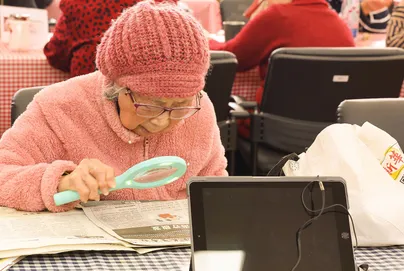
There are some common eye conditions that affect most people over the age of 65. For example, presbyopia is a normal change in the eye that makes it harder to focus on close objects, read a book, or use a smartphone.
It can be corrected with reading glasses, bifocals, multifocals, or contact lenses.
Glasses can also help you see better when they’re clean and free of smudges.
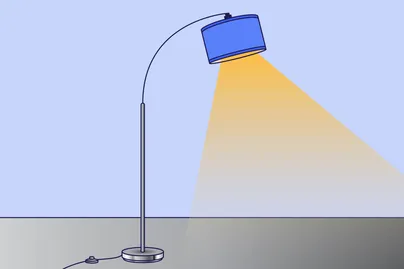
Your eyes need the right amount of light for activities like reading and hobbies. Good lighting helps prevent eye strain and fatigue. Too much light can be a problem because it creates glare and discomfort.
Some eye conditions can be more sensitive to levels of light. For example: macular degeneration, diabetic retinopathy, glaucoma, and retinitis pigmentosa. A low-vision optometrist or ophthalmologist can advise on the best colour temperature of light, brightness of light, and type of light bulb to maximise vision.
Staring at any one thing for too long can tire your eyes. You may also forget to blink, resulting in dry eyes and fatigue.
Limit the amount of time you spend looking at screens and take regular breaks when working on a computer or watching TV. This helps relax your eye muscles. It can reduce the symptoms of computer-vision syndrome, such as dry eyes, blurred vision, headaches, and eye fatigue.
Many eye injuries can occur in and around your home, or from other activities like sports and hobbies. Choose protective eyewear that matches the risks you might face. Make sure it meets safety standards and feels comfortable. For example:
Some eye problems run in families. You may have a higher chance of getting glaucoma, macular degeneration, or cataracts if your relatives have them. Knowing more about family eye health can help you take steps to reduce your risk.
Talking about eye health and family health history can also promote awareness and support within your family.
If you need more information, get in touch with one of our helpful team on 1800 951 971.
American Academy of Ophthalmology. (2023, April). Fabulous foods for your eyes. https://www.aao.org/eye-health/tips-prevention/fabulous-foods-your-eyes
American Academy of Ophthalmology. (2024, April). Diet and nutrition for eye health. https://www.aao.org/eye-health/tips-prevention/diet-nutrition
American Optometric Association. Computer vision syndrome. https://www.aoa.org/healthy-eyes/eye-and-vision-conditions/computer-vision-syndrome?sso=y
Healthdirect Australia. (2024, February). Cataracts. https://www.healthdirect.gov.au/cataracts
Healthdirect Australia. (2024, May). Dry eye disease. https://www.healthdirect.gov.au/dry-eye-disease
Healthdirect Australia. (2021, December). Eye health tips for over 60s. https://www.healthdirect.gov.au/eye-health-tips-for-over-60s#change
Healthdirect Australia. (2022, September). Eye tests. https://www.healthdirect.gov.au/eye-tests
Healthdirect Australia. (2024, May). Glaucoma. https://www.healthdirect.gov.au/glaucoma
Healthdirect Australia. (2022, July). Macular degeneration. https://www.healthdirect.gov.au/macular-degeneration
Healthdirect Australia. (2021, September). Presbyopia. https://www.healthdirect.gov.au/presbyopia
LiveUp provides free information to help you make informed decisions about your health. This information is for general and educational purposes only, is not intended to provide a comprehensive guide, and does not replace medical advice. Everyone is different, so some of these tips may work better for you than others. You should use your own judgment and seek medical advice when applying this information to yourself, to determine if it is suitable in your circumstances. Your use of, or reliance on, this information is solely at your own risk. Independent Living Assessment Incorporated is not responsible or liable for any injury, loss, or damage caused as a result of your use of, or reliance on, this information.
You can print out the PDF and stick it to your fridge or file away the tips to revisit at a later time.

Did you enjoy this article? You may also like reading similar healthy ageing articles.
See all Maintain my health articlesYour feedback helps LiveUp to curate information that matters to you.