Learn about helpful tools for keeping your mouth, teeth, and gums healthy.
As you get older, taking care of your mouth and teeth can become harder.
National reports show that many older Australians experience problems such as:
Tooth decay
Gum disease
Tooth loss
These issues can cause pain, make eating difficult, and affect overall health.
National reports also show that thousands of older Australians need urgent dental treatment each year.
Many of these problems could be prevented with early, regular, and affordable dental care.
Assistive technology can support your oral health
Different types of assistive technology (AT) can help you keep good oral health. AT includes tools and products that make tasks easier, safer, and more comfortable.
This guide helps you understand the different types of AT that can:
Support independence
Reduce risk
Make oral care more manageable
When choosing tools, think about your comfort, strength, and daily routine. What works well for one person may not work for another. Be sure to review your needs regularly and seek professional advice when needed.
LiveUp is a non-profit funded by the Health Department, so we don’t earn money from these suggestions. We’re not connected to any retailers or products in any way. Our goal is to help you find practical, cost-effective solutions that make everyday life easier.
If you have physical limitations
Some physical changes can make brushing and flossing harder. These include:
Weak grip
Tremors
Arthritis
Limited movement in hands, wrists, or arms
Tools and tips for managing physical limitations
Adaptive toothbrushes
Toothbrushes with large, wide, or built‑up handles improve grip. This can reduce strain on the fingers and joints while brushing.
Did you find this article useful?
Your feedback helps LiveUp to curate information that matters to you.
You might also be interested in these resources
Maintaining good oral health
Learn how to maintain healthy teeth and gums as you age. Discover tips for preventing oral health issues and ensuring a bright smile.
You can also find three-sided toothbrushes that clean multiple surfaces at once. This can help people who have trouble reaching certain areas.
Holders and dispensers
Toothpaste dispensers, floss holders, and similar tools help reduce the need for fine finger movements.
If you have difficulties with your oral care routine
Some people find it hard to remember to brush their teeth or to follow a daily routine. This may be due to:
Memory changes
Difficulty planning tasks
Becoming easily distracted
Tools and tips for sticking to your oral care routine
Routine‑linking
This means connecting toothbrushing to another daily activity. For example, try brushing after breakfast or after turning off the TV each night.
Reminders, alarms, or phone apps
These can guide you through your oral‑care routine.
Timers
Consider using a built‑in toothbrush timer, a phone timer, or a simple kitchen timer. These help make sure brushing lasts long enough to be effective.
If you've had recent oral changes
Some health conditions or medications can cause dry mouth, mouth discomfort, or sensitive gums and teeth.
Tools and tips for managing oral changes
Humidifiers
A humidifier can add moisture to the air at night, which helps reduce dry mouth.
Products for dry mouth
Special dry‑mouth products, such as gels, sprays, or mouthwashes, can keep the mouth moist and protect oral tissues.
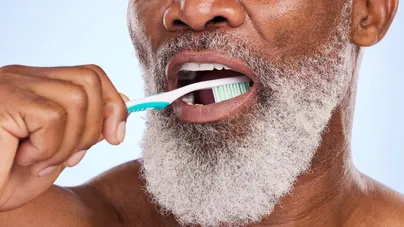
Soft-bristle toothbrushes
Soft‑bristle toothbrushes are gentler for people with gum sensitivity or enamel wear.
Specialised products to reduce risk
Some people are at risk of choking or inhaling liquids. For them, special oral‑care tools can help reduce these risks while keeping the mouth clean. Speak with your doctor or an allied health professional about finding the right fit for you.
If you need help with denture care
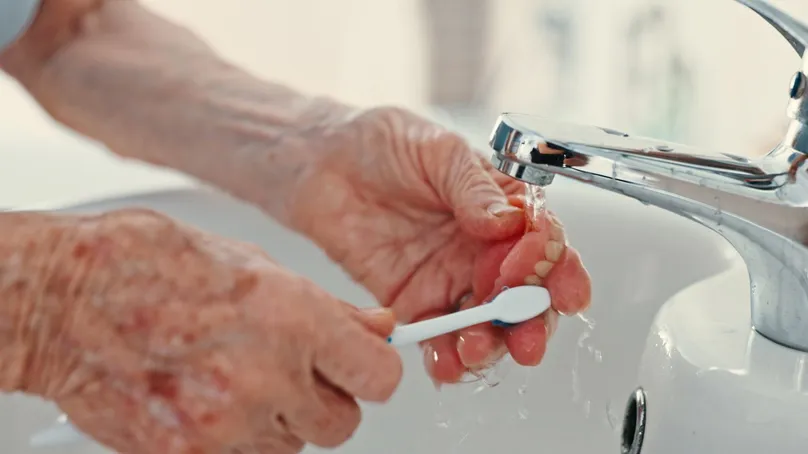
Dentures must be cleaned properly. This is because they collect bacteria, plaque, and food. Poorly cleaned dentures can cause:
Infections
Discomfort
Problems with eating
Tools and tips for denture cleaning
Reminders and alarms
These can help people remember to remove and soak their dentures overnight.
Grip tools
These make it easier for people with limited hand strength to insert or remove dentures safely.
Magnifying mirrors or adjustable mirrors
These help people see clearly while cleaning dentures.
Ultrasonic denture cleaners
These use vibration to remove dirt and bacteria. This makes cleaning easier and more thorough for people who struggle with manual scrubbing.
Need personalised advice?
An occupational therapist can help match the right tools to your needs and support you in using them effectively.
Can’t find an OT in your area through OTA? You can also check Healthdirect’s tool for finding an OT by location.
Want to discover more about low-cost assistive technology? Explore our assistive products directory to learn about some useful options and where to find them.
If you need more information about healthy ageing, take the LiveUp quiz or get in touch with one of our helpful team on 1800 951 971.
LiveUp provides free information to help you make informed decisions about your health. This information is for general and educational purposes only, is not intended to provide a comprehensive guide, and does not replace medical advice. Everyone is different, so some of these tips may work better for you than others. You should use your own judgment and seek medical advice when applying this information to yourself, to determine if it is suitable in your circumstances. Your use of, or reliance on, this information is solely at your own risk. Independent Living Assessment Incorporated is not responsible or liable for any injury, loss, or damage caused as a result of your use of, or reliance on, this information.
Download and print this article:
You can print out the PDF and stick it to your fridge or file away the tips to revisit at a later time.
Read more Manage health condition articles
Did you enjoy this article? You may also like reading similar healthy ageing articles.