Proper sleep is vital to your health and happiness.

Sleep is a natural way of restoring your energy. It's a big part of both physical and mental health. Sleep helps your body repair and function properly during the day.
Poor sleep can cause tiredness, difficulty concentrating, and low motivation. It can make you feel less alert and slow down your reaction time. It's important to address these factors to reduce your risk of falling.
Ongoing poor-quality sleep can increase your risk of developing health problems. Poor sleep could mean a higher risk of heart disease, high blood pressure, diabetes, and depression. Studies have shown that poor sleep may lead to increased appetite, weight gain, obesity and metabolic disorders. However, getting good sleep helps you maintain a healthy bodyweight.
As you age, it's normal to experience some changes in your sleeping patterns. For example, some older people might go to bed earlier, wake up earlier, and have less deep sleep.
It's important to know that waking up tired every day isn't a normal symptom of ageing. Only getting a couple hours of sleep each night is not a part of the ageing process either. Being older does increase your risk of developing certain sleep disorders, though. See your doctor to talk about any issues you may be having.
Getting a good night’s sleep helps to improve brain function, allows your body to repair, and refreshes your immune system.
A good night’s sleep usually has the following elements:
The amount of sleep we need varies from person to person. As we get older, we tend to need less sleep. To feel refreshed, we need to go through the phases of light sleep, deep sleep, and dreaming sleep each night. People aged 65 and over usually need 7 to 8 hours of sleep.
Difficulty sleeping is a very common issue that many people face. Often, it's a temporary problem that resolves itself within a few days. However, it can become a lasting issue, which could interfere with daily living, activities, and quality of life.
Common sleep issues affecting older adults include:
Having trouble falling asleep and staying asleep is one of the most common sleep issues in older adults. Insomnia can last for days, months, and even years. It can be caused by a variety of factors but can get better with treatment.
Pain and discomfort can cause inadequate rest. It can develop into a vicious cycle, where less sleep can lead to more pain and more pain can lead to less sleep. It's important to talk to a doctor if pain is interfering with your sleep.
Obstructive sleep apnoea (OSA) can cause pauses in breathing during sleep. These pauses are due to repeated episodes of complete or partial collapse of the throat. OSA can occur at any age but is more common in older adults.
Restless leg syndrome (RLS) causes discomfort and a strong urge to move your legs. It is usually worse in the evening, which can significantly impact sleep and overall quality of life.
Good sleep hygiene is one of the best ways to improve your sleep. Sleep hygiene means working on a bedtime routine that helps you sleep well. Some good sleep hygiene tips are:
It’s important to be able to call for help if needed. Be mindful of keeping a mobile phone nearby if it distracts you from sleep.
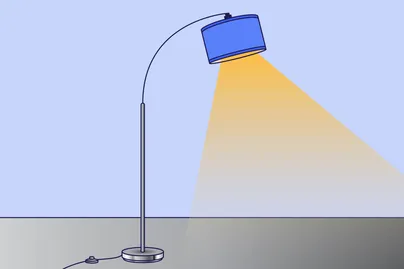
Having a light easily accessible means you don't need to stumble around in the dark when getting in and out of bed. This reduces the risk of falling.
People who exercise regularly fall asleep faster, sleep longer, and report better quality of sleep. Regular exercise also has benefits for your general health and wellbeing. However, exercise is not recommended within 3 hours of your bedtime. Give yourself time to wind down before bed.
Never smoke in bed and be careful when placing objects in the bedroom that could be trip hazards like rugs, cords, and furniture.
If you need more information, take the LiveUp quiz or get in touch with one of our helpful team on 1800 951 971.
You can find more tips and advice by clicking the links below:
Centres for Disease Control and Prevention. (2022, October 14). Sleep and heart health. https://www.cdc.gov/heart-disease/about/sleep-and-heart-health.html?CDC_AAref_Val=https://www.cdc.gov/bloodpressure/sleep.htm
National Institute on Aging. (2020, November 3). A good night’s sleep. https://www.nia.nih.gov/health/sleep/good-nights-sleep
Sleep Foundation. (2023, September 19). Aging and sleep. https://www.sleepfoundation.org/aging-and-sleep
LiveUp provides free information to help you make informed decisions about your health. This information is for general and educational purposes only, is not intended to provide a comprehensive guide, and does not replace medical advice. Everyone is different, so some of these tips may work better for you than others. You should use your own judgment and seek medical advice when applying this information to yourself, to determine if it is suitable in your circumstances. Your use of, or reliance on, this information is solely at your own risk. Independent Living Assessment Incorporated is not responsible or liable for any injury, loss, or damage caused as a result of your use of, or reliance on, this information.
You can print out the PDF and stick it to your fridge or file away the tips to revisit at a later time.

Did you enjoy this article? You may also like reading similar healthy ageing articles.
See all Maintain my health articlesYour feedback helps LiveUp to curate information that matters to you.