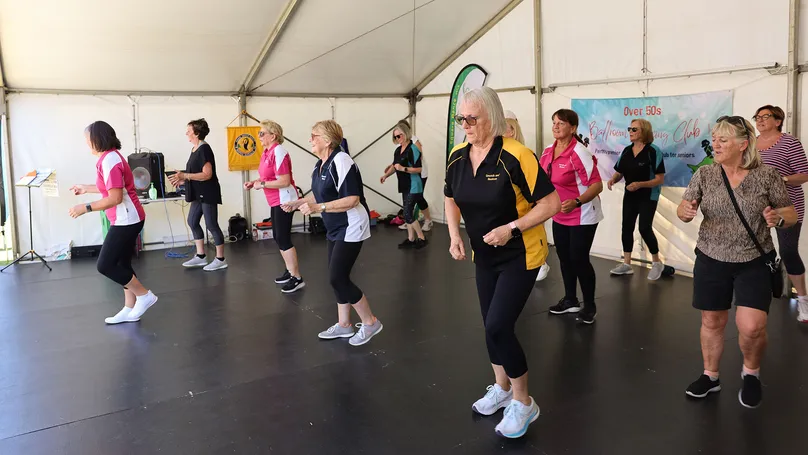
Exercise daily to help relieve the symptoms of osteoarthritis and improve function.
What is osteoarthritis?
Arthritis is inflammation, swelling, or tenderness in one or more of your joints. A joint is where two or more bones meet to allow movement. (E.g. the area between your thigh bone and shin bone is your knee joint.) The main symptoms include pain and stiffness. It's important to note that you can be asymptomatic, meaning you have no symptoms at all.
The most common type of arthritis is osteoarthritis (OA), which is ‘wear and tear’ in the joints. The main areas affected by OA include the knees, hips, and hands.
The Australian Institute of Health and Welfare reports that 1 in 5 Australians over the age of 45 have OA.
What causes osteoarthritis?
Scientists are yet to find out what causes OA and currently there is no cure. It can be a debilitating condition with pain and immobility but there are lots of management strategies to try. Exercise has been found to be the most effective.
Exercise is essential for physical and mental health and can play a vital role in the management of arthritis. Regular activity keeps the muscles around affected joints strong. It decreases bone loss and can help control joint swelling and pain. It can also help keep the joint lubricated and reduce stiffness.
Our goal is to empower you with knowledge and recommendations to manage your condition, so you can get back to doing the activities you enjoy.
How can I manage osteoarthritis?
Managing OA requires a 'whole person' approach. This means your strategy considers physical, mental, and social factors. Don't just focus on the symptoms!
The best strategy has three parts:
Learn about your condition and understand the different treatment options.
Exercise daily to help relieve symptoms and improve function.
Reduce your body weight to minimise the weight your joints carry.
What are the benefits of exercise?
National and international guidelines recommend exercise for the management of OA regardless of age, or which joints are involved, or pain intensity. Some of the benefits of exercise for OA include:
Reduced pain
Increased muscle strength to support and stabilise joints
Improved joint movement and flexibility
Improved balance and
Did you find this article useful?
Your feedback helps LiveUp to curate information that matters to you.
You might also be interested in these resources
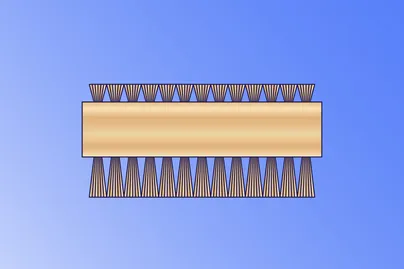
Adaptive nail brush
An adaptive nail brush usually has little plastic suckers that stick to the floor, basin, bath, or worktop so that you can clean your nails without having to hold the brush and direct its movement.
The best exercise for you will depend on what you enjoy, your goals, and your lifestyle. If you aren’t sure what is suitable for you, seek advice from your doctor or allied health professional.
You should aim to complete at least 30 minutes of activity on most days no matter your age, weight, or health status. A more gradual approach may be necessary if you have severe joint pain.
Below are some helpful exercise options for OA.
Strength exercise
Strength exercise can sometimes sound daunting, but it shouldn't be. Strength exercise is simply moving your body against some form of resistance.
Resistance could mean using weights, elastic bands, or moving against your body weight.
You can practice these exercises at home or in the gym.
This type of exercise improves your muscle strength, which takes pressure off sore joints. It can also improve your balance, reduce the feeling of 'giving way', and improve your ability to do daily tasks.
Aerobic exercise
Aerobic exercise is any activity that increases your heart rate and makes you breathe harder.
Regular aerobic exercise helps you do the following:
Sleep better
Burn calories for weight management
Increase your energy levels
These benefits improve your general health, as well as helping you manage OA.
Some aerobic activities you could try include walking, swimming, or using a stationary bike.
Exercising in water
Exercising in water can be very helpful for people who suffer with severe OA.
Water has natural buoyancy, which means it can support objects to float. This provides extra support for the body and reduces the weight put on painful joints.
Water exercise can be useful before progressing to land-based exercise. It's also helpful in combination with other forms of exercise.
Your doctor or allied health professional can give you exercise advice that is specific to you and your condition.
Begin a new activity program slowly and progress gradually.
Don’t try to do too much too soon. If you feel out of breath or uncomfortable, slow down.
If you stop exercising, you stop feeling the benefits. Use strategies to help you stay on track. Try keeping an exercise diary, setting achievable goals, and asking a friend to join you. Keeping it interesting by doing a variety of exercises also helps.
If you are overweight, losing weight by modifying your diet can help reduce your pain and improve the outcomes of your exercise program.
Tips to manage pain
If you have recently had a joint replacement, find out from your health professional which movements to limit or avoid.
Avoid hard activity during a flare-up or when in serious pain.
Try to exercise at a time of day when pain is the least severe.
There may be a bit of soreness in the joint during exercise. This is normal and doesn't mean that the arthritis is getting worse. If there is significant pain or swelling during or after exercise, then the program may need to be adjusted.
People with significant pain should complete as much exercise as they can comfortably manage.
Asking your family or friends for help can benefit you, as well as help them understand your pain experience.
Assistive products for osteoarthritis
Adjusting the simple things you use every day can reduce stress on your joints.
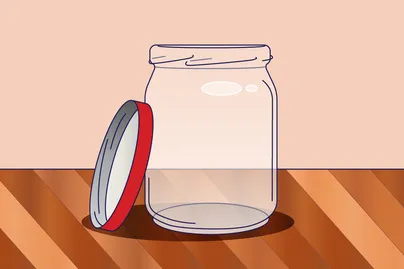
Raising the height of your chair makes standing and sitting easier. Using a smaller, lighter saucepan reduces the weight you have to lift, preventing joint strain. Using special jar openers can prevent pain or injury.
If OA is affecting your daily activities, you can find a range of assistive products that can make your life easier. Take the quick LiveUp quiz to find your suggestions today.
Common myths about osteoarthritis
'Osteoarthritis is caused by ageing and will only get worse.'
Osteoarthritis is changeable regardless of age and stage of condition. Making sense of your condition, getting active, and addressing any other lifestyle factors will help.
'There’s nothing I can do for the pain and symptoms.'
The current guidelines recommend exercise as one of the most effective treatments for osteoarthritis. Improvements in pain and mobility can happen over time, particularly for osteoarthritis of the knees and fingers. It is important to understand the positive, active things you can do to help with the pain and symptoms of osteoarthritis.
'Exercise will make osteoarthritis worse.'
One of the best ways to reduce the pain associated with everyday tasks is exercise. Focus on exercise that is specific to you and your body, which gradually increases in difficulty over time.
'Surgery is often the only option.'
Exercising and making healthy choices can help you manage your condition. Surgery may never be needed if you follow the proper strategy.
'I shouldn’t move around a lot because my scan results were bad.'
Symptoms are NOT strongly related to the structural joint changes seen on x-rays or scans. This means that relying on information from scans alone can be unhelpful. Activity has been proven to help, so try to move as much as you can.
More helpful information
If you would like to find local exercise classes, social activities, and helpful tips, try the LiveUp quiz. You can also chat with our friendly team for advice on freephone 1800 951 971.
For more detailed information click on the links below:
LiveUp provides free information to help you make informed decisions about your health. This information is for general and educational purposes only, is not intended to provide a comprehensive guide, and does not replace medical advice. Everyone is different, so some of these tips may work better for you than others. You should use your own judgment and seek medical advice when applying this information to yourself, to determine if it is suitable in your circumstances. Your use of, or reliance on, this information is solely at your own risk. Independent Living Assessment Incorporated is not responsible or liable for any injury, loss, or damage caused as a result of your use of, or reliance on, this information.
Download and print this article:
You can print out the PDF and stick it to your fridge or file away the tips to revisit at a later time.
Read more Fitness articles
Did you enjoy this article? You may also like reading similar healthy ageing articles.