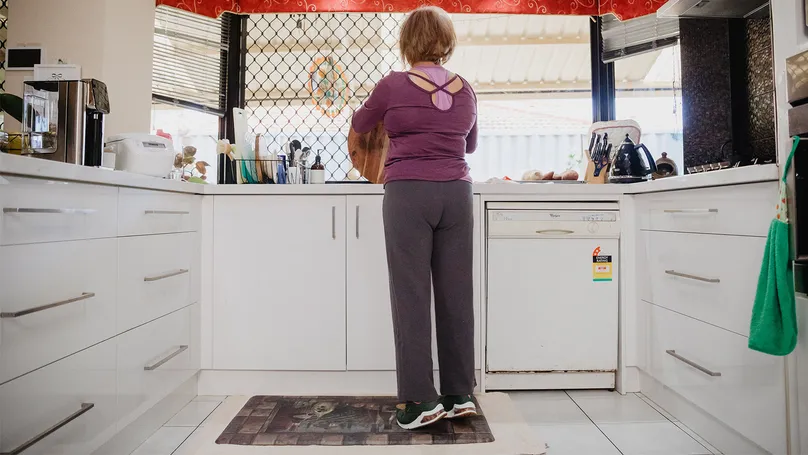
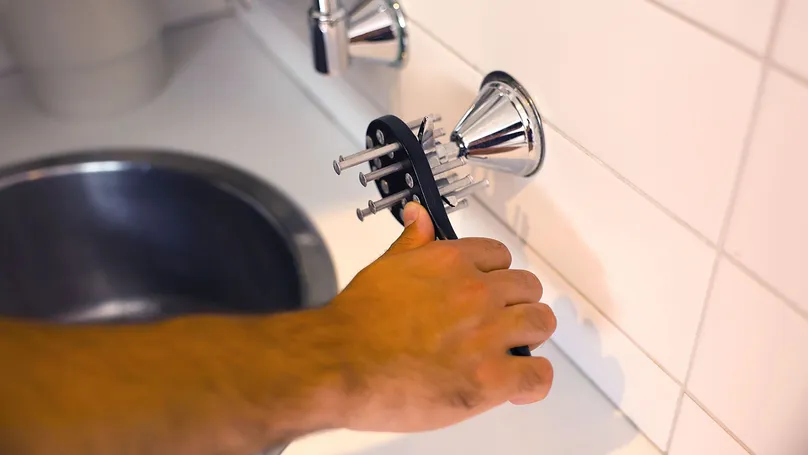
Making simple modifications or future-proofing your home can help you maintain your independence and stay in your own home for longer.
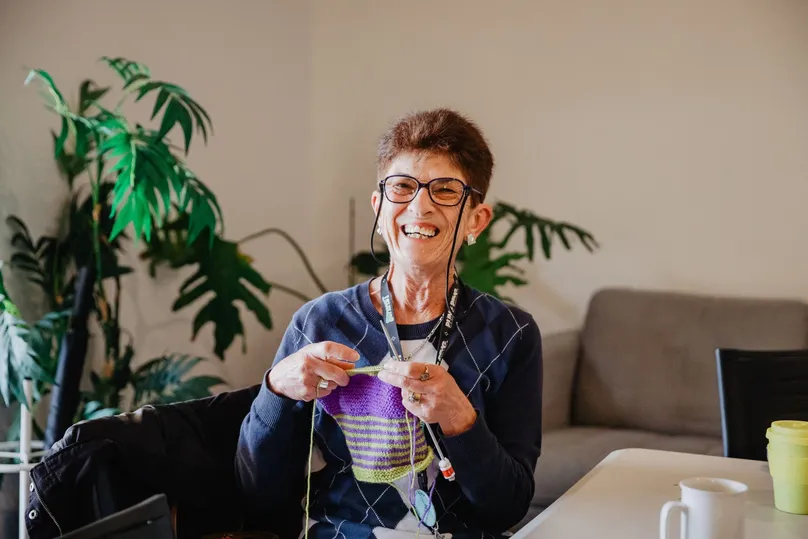
Future-proofing your home reduces the barriers that make it difficult for you to complete daily activities as you age. The aim is to create a safer, more comfortable living space that adapts to your needs in the long run.
Some simple home modifications can help prevent accidents and injury from falls. This supports your mobility, allowing you to move around your house with confidence.
Many people worry that home modifications will be too expensive. But future-proofing your home doesn’t have to mean big renovations. Even small, thoughtful changes (like better lighting, easy-to-use fixtures, or reducing trip hazards) can make a real difference.
These adjustments can blend seamlessly into your home while enhancing your quality of life, helping you stay independent and active for longer.
Safety notice: Some changes are low maintenance and easy to implement. Others may require advice from an occupational therapist and a professional tradesperson. This is to ensure your modifications suit your needs, body, and home while meeting Australian Standards.
Here are some simple tips to help you keep living safely in your own home for years to come.
When designing your forever home, it's important to consider things like how you can safely get around.

You can increase the safety of your living spaces by decreasing clutter and using some assistive products.


Bathrooms are one of the highest risk areas in the home for older people. Luckily you can make some simple changes to improve bathroom safety in your home.
Consider your shower waterproofing:
Most bathrooms have a layer of waterproofing beneath the tile to protect your home from water damage. Tradespeople are experienced in drilling through this layer and resealing it to prevent damage (such as when installing a shower grab rail).
Check for wall suitability:
The types of walls that you have may affect the type of fixing that can be used to fix assistive products like grab rails.
Occupational therapists are experienced in choosing the right type of rail, and qualified tradespeople can choose the right type of fitting for your wall or surface. This is to ensure your new fixtures don’t cause damage and can withstand the force placed on them when in use.
How to choose the right rail:
Make sure your grab rails are properly installed and can hold your weight. A towel rail only holds a few kilos and may come loose, so isn’t safe to hold onto while navigating your bathroom.
Grab rails are widely stocked at hardware stores and come in various materials, shapes, and dimensions, each with a different set of benefits.
To make sure you have the right rail, it’s best to get professional advice.
Houses built before 1990 might contain asbestos, so a local tradesperson qualified to handle asbestos safely may be required. They’ll also be able to help you determine other important things, like whether water outlets are too close to power sockets.
An occupational therapist (OT) can help you:
Find an OT in your local area with the search tool on Occupational Therapy Australia website.
These small modifications can make a big difference in creating a home that supports your independence for years to come.
If you need more information, you can reach out to one of LiveUp's helpful navigators on 1800 951 971.
You can also find tips for keeping your house cool in summer while improving energy efficiency here.
Healthy WA. (2023). Asbestos in and around the home. https://www.healthywa.wa.gov.au/Articles/A_E/Asbestos-in-and-around-the-home
LiveUp provides free information to help you make informed decisions about your health. This information is for general and educational purposes only, is not intended to provide a comprehensive guide, and does not replace medical advice. Everyone is different, so some of these tips may work better for you than others. You should use your own judgment and seek medical advice when applying this information to yourself, to determine if it is suitable in your circumstances. Your use of, or reliance on, this information is solely at your own risk. Independent Living Assessment Incorporated is not responsible or liable for any injury, loss, or damage caused as a result of your use of, or reliance on, this information.
You can print out the PDF and stick it to your fridge or file away the tips to revisit at a later time.

Did you enjoy this article? You may also like reading similar healthy ageing articles.
See all Safety articlesYour feedback helps LiveUp to curate information that matters to you.