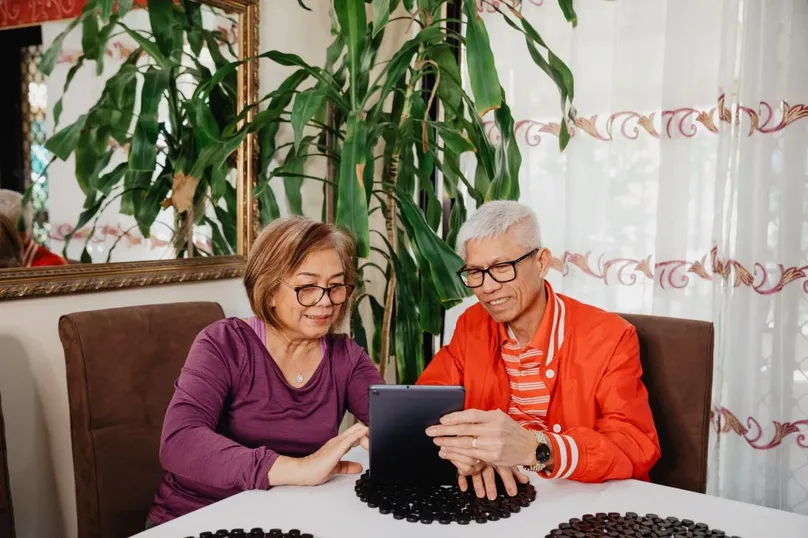
Staying independent as you age means being able to continue living life as you choose.
To reclaim your independence is to keep the abilities and support you need to do things for yourself. It also means having the confidence and control to make decisions about your health.
How independent you are can be shown by your ability to:
Socialise with friends or relatives, including grandchildren
As you get older, it's normal for your abilities to change. This may lead to difficulties with moving around (mobility) and managing health conditions. It could also make it harder to:
Staying independent can help protect against these challenges and contribute to:
Better physical and mental health
Increased confidence and self-esteem
Improved sense of purpose and quality of life
Being yourself
Being able to make choices and decisions throughout the day has a big impact on how you feel about yourself. When you no longer feel in control of your decisions or able to express yourself, it can lead to:
Depression
Anger
Anxiety
Your health and happiness
Did you find this article useful?
Your feedback helps LiveUp to curate information that matters to you.
You might also be interested in these resources
7 smart home devices to support your safety and independence
Explore smart technology to help you age in place and live safely in your own home.
What is the Support at Home Program? Key details & info
Learn about the Support at Home program starting November 2025, including how it works, key details, and what services it will replace for older people in Australia.
Maintaining your strength, balance, and mobility helps you stay independent by reducing your risk of:
Falls
Injury
Hospital stays
Being independent also helps you maintain your physical health. When you move and do things for yourself, you help keep your body strong.
Your sense of purpose
When you find it harder to move around or do everyday activities, it can make it harder to stay connected and lead to feelings of hopelessness. Being independent lets you choose when and how you connect with others, and taking part in social activities that matter to you can boost your:
Mood
Wellbeing
Sense of purpose
How can I reclaim my independence?
Reimagine ageing
Change your perspective! Getting older is not without its challenges, but it doesn't have to be a negative experience.
There are plenty of products, supports, and initiatives to help you keep moving, stay connected, and live life on your terms.
Stay mentally active
It's important to keep your mind active. An active mind is a healthy mind - making strong the thinking and memory skills needed to do things for yourself. Engaging in activities you enjoy helps keep your mind active while lifting your mood.
So, if you have any hobbies - keep doing them. If you're finding it hard to continue, let your family or service provider know. They can help you figure out how to stay involved in ways that work for you.
Maintain social connections
Maintaining old friendships and building new ones has many benefits. It can help you:
Feel less lonely
Have a stronger sense of belonging
Feel better in mind, mood, and body
Exercise
Older people are advised to do at least 30 minutes of moderate‑intensity exercise most days. This means exercise that raises your heart rate and breathing, but you can still talk while doing it.
Being active and staying healthy support each other. The more you move, the easier it is to keep moving, giving you the confidence and freedom to do things by yourself.
Move around freely
Being able to travel to the places, events, and activities you want to go is important for:
Staying connected
Maintaining a sense of purpose
Remaining independent
There are many transport options to help you get around. A friend, family member, support worker, or service provider could take you where you need to go. You could also take public transport, or the free community buses offered by some organisations and local councils.
Ask for help
If everyday activities are becoming harder and you need some help, support is available. You can use assistive products or in‑home services based on your needs. Head to the My Aged Care website for more information.
Using assistive products
Assistive products are useful tools designed to make everyday tasks easier. They can help you keep doing the things you love and stay independent for longer.
There are thousands of products that can make a difference in all areas of your life. Here are some low‑cost options to check out:
Low-risk assistive products
Hand-held grabbers: These help you reach for and pick up items, such as a newspaper on the front lawn
Lever handles: These let you turn on taps and open doors without needing to grip and twist
If you have trouble moving around, consider mobility assistive products. They can reduce pain and stress in joints and reduce the risk of falling:
Walking canes
Orthotic devices
Wheelchairs
Walkers and wheeled walkers
Please note, the above aids should only be selected and used under professional advice. Consult an allied health professional to find the best walking aid for your needs.
Communication assistive products
Hearing aids, television headsets, telephone amplifiers: These help you hear sounds more clearly
Voice command and speech-generating devices: These help you express your needs when writing or speaking is hard
Pendant alarms: These help you call for help at the press of a button
If you have trouble with your vision or using your hands, consider devices with:
Large text screens
Large buttons
Simple navigation systems
Where can I get help to reclaim my independence?
No two people are the same, so the information in this article may not be suitable for everyone. To learn more about strategies and supports that can help you at home and out and about, contact:
Your healthcare professional
An allied health professional, such as an occupational therapist, physiotherapist, or exercise physiologist
Lindeman, K., Koivunen, K., Rantalainen, T., Rantakokko, M., Portegijs, E., Rantanen, T., & Karavirta, L. (2024). Reciprocal associations between physical activity, walking performance, and autonomy in outdoor mobility among older adults: A 4‑year follow‑up. Journal of Aging and Health, 37(9), 606–616. https://doi.org/10.1177/08982643241282918
Puyané, M., Chabrera, C., Camón, E., & Cabrera, E. (2025). Uncovering the impact of loneliness in ageing populations: A comprehensive scoping review. BMC Geriatrics, 25(1), Article 244. https://doi.org/10.1186/s12877-025-05846-4
How to use this information
LiveUp provides free information to help you make informed decisions about your health. This information is for general and educational purposes only, is not intended to provide a comprehensive guide, and does not replace medical advice. Everyone is different, so some of these tips may work better for you than others. You should use your own judgment and seek medical advice when applying this information to yourself, to determine if it is suitable in your circumstances. Your use of, or reliance on, this information is solely at your own risk. Independent Living Assessment Incorporated is not responsible or liable for any injury, loss, or damage caused as a result of your use of, or reliance on, this information.
Download and print this article:
You can print out the PDF and stick it to your fridge or file away the tips to revisit at a later time.
Read more Maintain my health articles
Did you enjoy this article? You may also like reading similar healthy ageing articles.