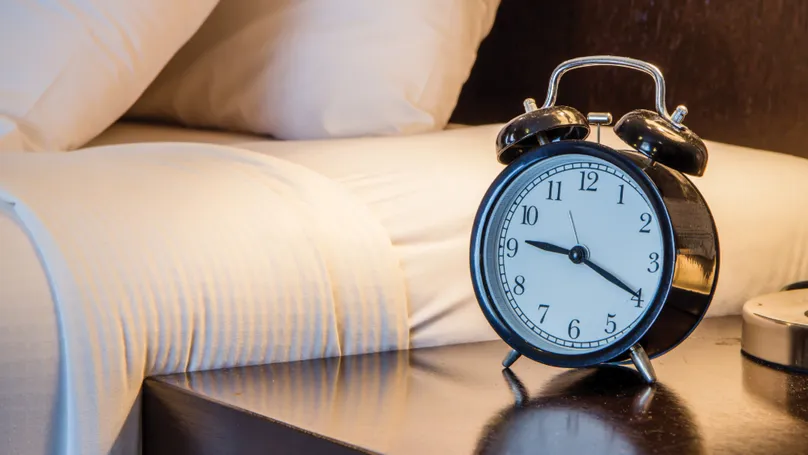
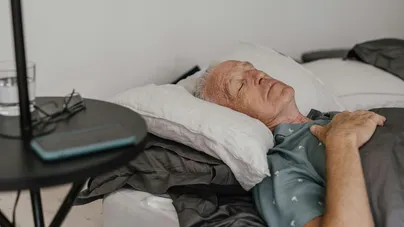
It’s important for older to people to have a cool bedroom for a good night's sleep.
This article was written in collaboration with experts from Griffith University's Ethos Project.
Good sleep is essential for healthy ageing, but Australia’s sweltering summer nights can make it difficult to rest.
Can’t sleep in summer? Don’t let the heat disrupt your sleep. Try these tips to stay cool and comfortable all night long.
Why does heat make it difficult to sleep?
Melatonin is a hormone produced in your brain to promote sleepiness. It’s naturally produced when your core body temperature (CBT) lowers. A hot room keeps your CBT elevated, making it harder to feel sleepy.
What’s the best sleeping temperature?
Ideal bedroom temperature for sleeping is below 20ºC. Some degrees higher than this can be fine, but you might forgo your banket.
Temperatures above 26ºC, however, can cause:
Disrupted sleep cycles
Waking up multiple times in the night
Fewer total hours of rest
What happens if you don’t get good sleep?
Sleep deprivation negatively affects your mind and body:
It’s harder to learn, focus, and think clearly. It’s linked to worse mood, depression, and reduced thinking skills (such as memory).
It weakens your immune system, disrupts your metabolism, and increases inflammation. It also raises your risk of heart disease, diabetes, and obesity.
A bad night of sleep often leads to a bad day awake. However, while setting your air-conditioning (AC) to the coldest setting might help you sleep better, it can drive up your energy bill. Fortunately, there are cheaper and more energy-efficient tricks for staying cool.
What can you do when it’s too hot to sleep?
Use fans and AC together for efficiency
Did you find this article useful?
Your feedback helps LiveUp to curate information that matters to you.
You might also be interested in these resources
Stay cool during extreme heat this summer
Stay safe this summer by recognising the dangers of heat and understanding your body’s limits. Learn practical steps to keep cool and take charge of your health during the hottest days of the year.
10 sleep tips for older adults: improve sleep quality
Discover 10 effective tips to enhance sleep quality for older adults, including sleep routines, diet, and relaxation techniques to promote better rest.
Heatwave tips for older people: how to keep your house cool in summer
It's essential for healthy ageing to have somewhere cool to be on hot days. Learn about some cheap ways to keep your house cool in summer, for your comfort and safety.
Set your AC as high as you comfortably can, perhaps around 25ºC, and pair it with a fan for improved airflow. Many AC units have a ‘sleep mode’ to conserve energy.
Note: If you prefer not to use AC at night, you can switch it to ‘fan-only’ mode.
You can also create a cross-breeze with multiple fans. Position one to draw in cooler air and another to push warm air out of your room. It's a breeze!
Note: Avoid pointing a fan at your face while you sleep, as this could irritate your airways.
Use natural cooling methods
Take a cool shower or bath before bed to lower your body temperature.
It's also helpful to stay hydrated during the day. This means you won’t wake up thirsty, and it allows you to sweat at night to keep cool. Just avoid drinking lots of water right before bed, since a full bladder could wake you up in the night.
Choose bedding that helps you shed heat
Use light cotton sheets.
Wear breathable pyjamas that don’t cover too much skin.
Remove heat-trapping mattress toppers.
Consider using a gel cooling pad or putting cold packs under your sheets.
Consider a mattress and pillows made from breathable material such as bamboo fabric.
Avoid heat-generating activities before bed
Strenuous evening exercise raises body temperature and delays sleep readiness.
Alcohol and cigarettes can raise body temperature and disrupt sleep cycles.
Heavy, fatty, or spicy meals can make you feel too hot and uncomfortable for sleep. It’s best to avoid them in the 2-3 hours leading up to bedtime.
Spread awareness, take action
Consider sharing this article with a friend to spread awareness on the impacts of heat. You can take charge of your health this summer—and you can do it on a budget, too. Use these tips to beat the heat and enjoy restful sleep all summer long.
Bigalke, J. A., Cleveland, E. L., Barkstrom, E., Gonzalez, J. E., & Carter, J. R. (2023). Core body temperature changes before sleep are associated with nocturnal heart rate variability. Journal of Applied Physiology, 135(1), 136-145. https://doi.org/10.1152/japplphysiol.00020.2023
Sheikh Saba Naz, Muhammad Muddassar Shafiq, & Albreiki, M. (2024). Interaction between Melatonin, Sleepiness-Alertness and Body Temperature. IntechOpen EBooks. https://doi.org/10.5772/intechopen.112249
How to use this information
LiveUp provides free information to help you make informed decisions about your health. This information is for general and educational purposes only, is not intended to provide a comprehensive guide, and does not replace medical advice. Everyone is different, so some of these tips may work better for you than others. You should use your own judgment and seek medical advice when applying this information to yourself, to determine if it is suitable in your circumstances. Your use of, or reliance on, this information is solely at your own risk. Independent Living Assessment Incorporated is not responsible or liable for any injury, loss, or damage caused as a result of your use of, or reliance on, this information.
Download and print this article:
You can print out the PDF and stick it to your fridge or file away the tips to revisit at a later time.
Read more Maintain my health articles
Did you enjoy this article? You may also like reading similar healthy ageing articles.