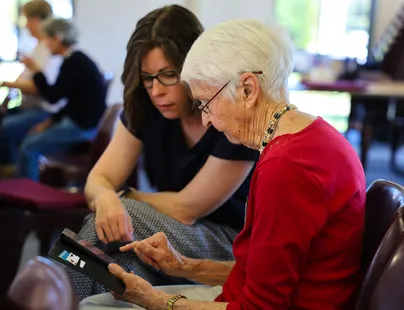
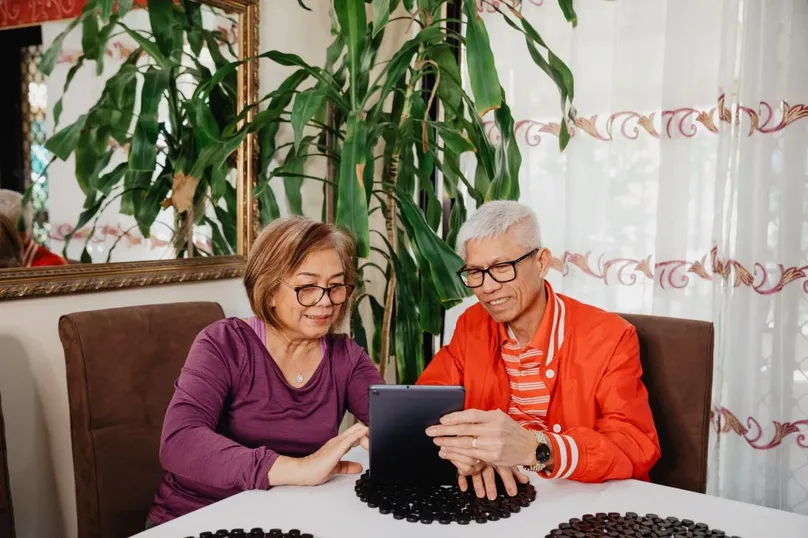
Being cybersecure means taking steps to keep your digital devices, accounts, personal information, and online data safe.
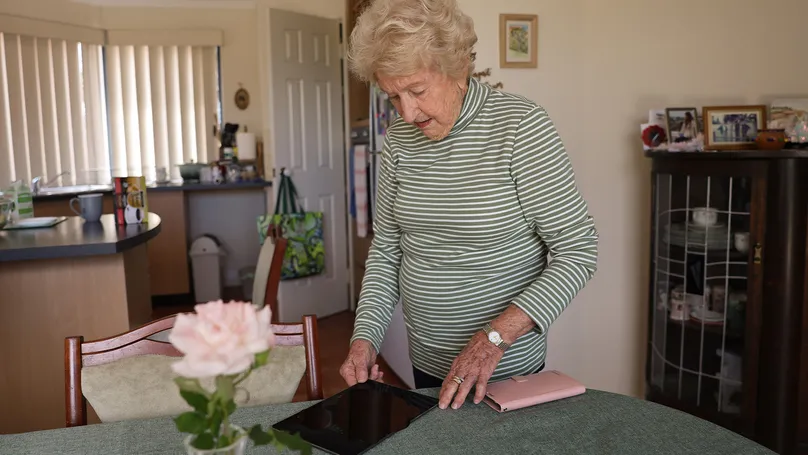
You lock your home, secure your wallet, and keep important papers safe. There are steps you can take to protect yourself online, as well.
Most people use the internet, relying on it to communicate, get information, and complete everyday tasks. Many people also have more than one device and social media account. This can increase how exposed you are to scams and other cyber risks.
Luckily, there are simple ways to stay alert and remain safe while you browse online.
Here are some common terms that will help you follow the safety steps ahead:
Updating your devices and apps can improve the way they work, change how they look, or add new features. The most important thing is that updates fix gaps in your online security.
These gaps make it easier for hackers and scammers to break in and steal your money or personal information.
If you can, go into your device and app settings and turn on automatic updates. If you can’t or don’t want to make them automatic, take care to check for updates regularly.
Create a backup of your digital information. This includes your apps, photos, videos, and documents. Creating a backup means:
That way, if the original information is deleted, damaged, or destroyed, it's not lost forever.
* ‘The cloud’ refers to online services that let you store and access your files from anywhere. Common examples include iCloud, OneDrive, and Dropbox. External storage devices include USB sticks and portable hard drives, which you plug into your device to save files.

Create a strong password for every device you use and every online account you make. Use these five tips together to keep your passwords as safe and secure as possible:
Your passwords should be strong, kept safe, and updated often, no matter what they are protecting.
A password manager can help with this. It’s an app that stores all your usernames and passwords securely. See this article to learn more about password managers and how to use them.
MFA is a security process that requires you to prove who you are in more than one way before you can access an account. Here’s an example of MFA in action, where you:
With MFA, you receive a new passcode every time you try to log in. This prevents hackers who know your password, but not the secret passcode, from getting into your account. Use MFA whenever you can, especially for your most sensitive accounts like:
Scam messages are created by cybercriminals to try to break into your accounts. They can be sent via phone, email, social media, and messaging apps.
Scam messages are designed to look like safe messages from organisations you trust, copying features like:
Cybercriminals use these messages to trick you into giving them personal information, such as your:
Scam messages can also contain web links that, when clicked, install harmful software on your device.
Scammers use pushy language to create a sense of urgency and make you panic. Because you feel panicked, you assume you need to act straight away instead of thinking it through.
You may receive more scam messages during big events or busy times of the year. During these moments, you may be more stressed than usual and more likely to react quickly. Here's an example:
You receive an email that claims to be from the Australian Taxation Office (ATO). The email warns that there was something wrong with the tax return you filed recently. It says you need to click the link in the email to give more information and avoid getting into trouble. While the email looks real, a scammer is behind it, ready to use the information you provide to try to steal your identity.
If you receive a message that contains a link or asks you to take action, use these tips to help check whether it may be a scam:
Wi‑Fi lets your devices connect to the internet without using cables. Some public places provide Wi‑Fi for free, such as airports, libraries, and cafés. However, these public networks don’t always require a password, which can make them more vulnerable to hackers.
If you don’t trust a Wi‑Fi network or it doesn’t feel secure, avoid using it. You could try using a Virtual Private Network (VPN), which is an app that adds an extra layer of security when using public Wi‑Fi.
However, VPNs are a more advanced type of software, so only use one if you feel confident.
To learn the basics of using digital devices and the internet, check out Be Connected. Created by the Australian Government, this program offers free classes and resources to help you go online and:
To keep up with the latest online safety news and tips, check out Scamwatch and the Australian Cyber Security Centre. They provide practical advice to help keep you and your family safe from scams. Many of their resources are also available in different languages.
If you’d like more support or have questions about staying connected online, our team can help. Call us 1800 951 971.
Australian Communication and Media Authority. (2021, May). The digital lives of older Australians. https://www.acma.gov.au/sites/default/files/2021-05/The%20digital%20lives%20of%20older%20Australians.pdf
DataReportal. (2025). Digital 2025: Australia. https://datareportal.com/reports/digital-2025-australia
NapoleonCat. (2025, Jan). Facebook users in Australia. https://napoleoncat.com/stats/facebook-users-in-australia/2025/01/
Scamwatch. (n.d.). Types of scams. Australian Competition and Consumer Commission. https://www.scamwatch.gov.au/types-of-scams
LiveUp provides free information to help you make informed decisions about your health. This information is for general and educational purposes only, is not intended to provide a comprehensive guide, and does not replace medical advice. Everyone is different, so some of these tips may work better for you than others. You should use your own judgment and seek medical advice when applying this information to yourself, to determine if it is suitable in your circumstances. Your use of, or reliance on, this information is solely at your own risk. Independent Living Assessment Incorporated is not responsible or liable for any injury, loss, or damage caused as a result of your use of, or reliance on, this information.
You can print out the PDF and stick it to your fridge or file away the tips to revisit at a later time.

Did you enjoy this article? You may also like reading similar healthy ageing articles.
See all Safety articlesYour feedback helps LiveUp to curate information that matters to you.