In Australia, osteoporosis affects over 1.2 million people. Around 50% of women and 33% of men over 60 years old have osteoporosis.
Osteoporosis is a major health concern in Australia. However, it’s often called a ‘silent disease’ because many people don’t know they have it until they experience a fracture.
Luckily, a powerful tool for managing this disease is something you can do for free – exercise!
Osteoporosis is a condition that weakens bones over time, making them more porous and brittle. It's more advanced than osteopenia, which means lower-than-normal bone density. But osteopenia can become osteoporosis if too much bone mass is lost.
The leading causes of this condition are the genes you inherit and getting older. However, it can also be caused by:
Osteoporosis can cause fractures or broken bones, which could affect your ability to move and stay independent. But by making healthy choices you can prevent and manage osteoporosis.
The healthiest choice you can make for your body is to stay active in a way that works for you. Your bones respond to movement just like your muscles do, getting stronger with the right kind of exercise. Regular exercise is a lifelong strategy for healthy bones as well as overall health.
Here’s how exercise can help you decrease your risk of osteoporosis and manage your bone health:
Doing minimal physical activity results in your bones becoming weaker. Moving your body every day is important for improving and maintaining bone health.
In fact, regular moderate-intensity exercise can help you increase your bone density. This makes exercise your first defence against osteoporosis when it comes to both treatment and prevention.
Remember that movement is medicine. More movement increases your likelihood of having strong healthy bones and decreases your risk of osteoporosis.
For people with osteoporosis, most bone fractures occur because of a fall. Luckily, you can reduce your risk of falling by exercising. Moderate-intensity movement builds up your muscle strength and improves your balance.
This means, if you have osteoporosis, exercise can reduce your risk of fractures in two ways:

Exercise provides great benefits when managing or even reversing osteoporosis. However, when it comes to bone health, not all exercise is equal.
Bones need to experience the right amount of impact and strain. They have an amazing ability to adapt! In response to different weights and applied stress, they become stronger or denser.
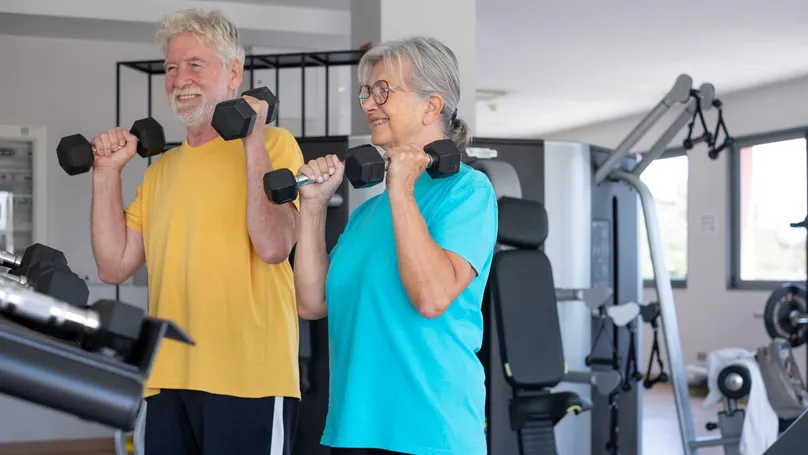
Low-impact, weight-bearing exercise is the best kind of exercise for osteoporosis.
Weight-bearing exercise refers to exercise you do against a resisting force.
Here are some examples of how you can apply some resistance to your movements:
Weight-bearing exercise is also called strength training, since it helps build strength in your muscles and bones.
Examples of low-impact weight-bearing exercise include activities like stair climbing, walking, or even gardening.
Exercises such as cycling or swimming, however, while low-impact, aren’t considered weight-bearing. They’re great for general fitness, but not as great at improving bone strength.
Here are some of the benefits of weight-bearing exercise for osteoporosis:
A great starting point is to make sure you’re moving your body the recommended amount of time each day for your age. For people over 65 years old, that's 30 minutes per day. Follow these guidelines for the prevention and management of osteoporosis:
If you have osteoporosis, please talk to your doctor before you start a new exercise program.
While exercise is one of the best ways to protect your bones, it’s important to choose movements that are safe and effective. Here are some important things to think about when exercising with osteoporosis:
Most people need an exercise program that includes moderate weight-bearing movement. But sometimes a gentler approach may be best.
Exercise is one important part of the big picture that is your health. To prevent and manage osteoporosis, addressing all the possible causes is the best strategy.
Consider your diet and lifestyle habits. Eating food rich in calcium, vitamin D, and protein can help improve your bone health. You can also get vitamin D from sunlight. Reducing the amount of alcohol you drink and quitting smoking will help to support your bone health, too.
If you would like to find local exercise classes, social activities, and helpful tips, try the quick quiz or call one of our helpful team on 1800 951 971.
For more detailed information about osteoporosis, you can also follow these links:
Exercise Right. (2023). How does exercise help osteoporosis? Powered by Exercise & Sports Science Australia. https://exerciseright.com.au/osteoporosis
'In Australia, osteoporosis affects over 1.2 million people. Around 50% of women and 33% of men over 60 years old have osteoporosis.' Healthy Bones Australia. (2023). The challenge. https://healthybonesaustralia.org.au/about-us/bone-health-australia
NIH. (2022, December). Osteoporosis. https://www.niams.nih.gov/health-topics/osteoporosis
LiveUp provides free information to help you make informed decisions about your health. This information is for general and educational purposes only, is not intended to provide a comprehensive guide, and does not replace medical advice. Everyone is different, so some of these tips may work better for you than others. You should use your own judgment and seek medical advice when applying this information to yourself, to determine if it is suitable in your circumstances. Your use of, or reliance on, this information is solely at your own risk. Independent Living Assessment Incorporated is not responsible or liable for any injury, loss, or damage caused as a result of your use of, or reliance on, this information.
You can print out the PDF and stick it to your fridge or file away the tips to revisit at a later time.

Did you enjoy this article? You may also like reading similar healthy ageing articles.
See all Strength articlesYour feedback helps LiveUp to curate information that matters to you.