For a happy retirement, you need to feel fulfilled, safe, and secure about the future. Here are some of the things to consider when planning your next stages of life.
Preparing for your retirement can help make the transition a smooth one.
This can mean preparing for the emotional and social changes that come with leaving work. But you can also prepare practically for changes to your income and needs.
Consider setting lifestyle and spending expectations for your post-work life. What do you want to do? Where do you want to live? What changes need to be made to maintain your health and independence? And how can you start getting ready for those changes now?
Video: Sue and Pete's retirement
You need both purpose and safety
A sense of purpose helps you feel good about your life. It can drive you forward to grow and impact others and give you resilience when things go wrong.
Feeling safe is what then gives you the space to rest and appreciate your time well spent. And you deserve it!
So, how can you secure your happiness for the future?
Finding your purpose
Your purpose doesn't have to come from your job. You can find purpose in hobbies, personal goals, or the impact you have on others.
Ultimately, your sense of purpose in life is what you make of it.
So, when looking for things to do in retirement, the key is to listen to your feelings and find what makes you happy.
Did you find this article useful?
Your feedback helps LiveUp to curate information that matters to you.
You might also be interested in these resources
Things to do in retirement: staying active and engaged
Explore fulfilling activities to stay happy and healthy in retirement.
Maintaining a mindset of growth and lifelong learning will help you lead a purposeful retirement. So will staying connected to family and friends. This gives you the chance to teach as well as learn.
It can also be fulfilling to spend time connecting with your grandchildren. You can pass on your knowledge and skills to the next generation!
Physical safety
One aspect of your sense of safety is physical. Assistive technology can help put your mind at ease about this.
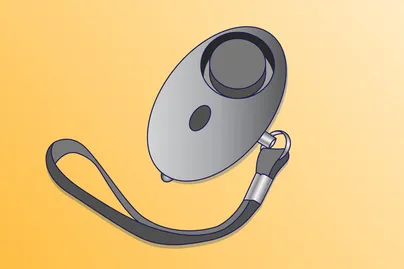
Consider personal safety alarms, ramps, or non-slip mats, for example. You can connect to peers on AT Chat for advice about finding the right assistive products for you.
You can also begin future-proofing your home. This prepares your living environment for the next stages of life. And this helps keep you independent in your own home for longer.
You can also improve your physical safety by looking after your health.
Exercise and eating well can help you manage many health conditions. Doing regular balance exercises can help prevent falls. Keeping mobile with activities like gardening helps maintain your health and independence.
Another aspect is your financial security. You can look after this with financial planning. It's best to start your planning early, but it's never too late to begin.
Services Australia can help you prepare your finances. Learn about payments and financial services, such as the Age Pension or the Commonwealth Seniors Health Card. And find out about ways to access your super. You can also watch or book a free Financial Information Service webinar.
If it's within your budget, you could also meet once with an independent financial advisor. They can give advice for managing your super that's specific to you and your goals.
How much should you save?
It's best to prepare for a long retirement. This means planning for a longer than average life; say, to the age of 90. For example, if you want to retire at 65, try saving enough to last 20 years at least, but 25 years ideally.
But how much would this be? Well, most people need two thirds of their pre-retirement income to maintain their lifestyle in retirement. This is because once you retire, the super you withdraw is not taxed. You're also likely to be spending less and enjoying discounts. And you may be able to supplement your super with an Age Pension.
Still unsure? ASFA has some figures you can consider for your retirement savings goals. But you should tailor your goals to you personally. You'll want to factor in whether you own your home, for example.
The ASFA Retirement Standard has calculated the following lump sums to serve as retirement savings goals. These are based on what's generally considered modest or comfortable. The calculations also assume you will draw down all your capital and receive a part Age Pension.
The savings required for couples to comfortably retire at age 67 is $690,000. For singles this is $595,000.
The savings required for a modest retirement at age 67, for couples and singles, is $100,000.
Managing your transition
You also have the option of gradually reducing your workload. You might like a part-time or casual job for a while after you leave full-time work.
If you've reached your preservation age, you can access your super while still working. For a transition to retirement period, that is. This could let you continue to save for your ideal retirement while winding down your work hours.
Or maybe you want to keep your full-time job for a while longer. In that case, you can take this time to make tax-free contributions to your super.
Emotional safety
Speaking of transition, change can sometimes feel overwhelming. It might be a good idea to mentally prepare for the changes to come. Here are some ways to look after your mental health and reduce your amount of stress as you retire:
Start thinking about replacing old work-led routines with new ones of your own design. This will help minimise shock from a change in lifestyle.
Keep in regular contact with friends and family to maintain your support network.
If you find yourself in need of help, reach out. Help can come from friends, family, or professionals.
There are people who can help you if someone is threatening your safety. Physical, financial, or emotional. You'll always have the right to your safety and dignity. If you or someone you know is experiencing abuse, you can call the National Elder Abuse helpline on 1800 ELDERHelp (1800 353 374). Learn more about identifying and protecting against abuse.
Download LiveUp's retirement checklist
Ready to get started with your retirement planning? You can download our handy checklist of things to consider before you retire here:
LiveUp provides free information to help you make informed decisions about your health. This information is for general and educational purposes only, is not intended to provide a comprehensive guide, and does not replace medical advice. Everyone is different, so some of these tips may work better for you than others. You should use your own judgment and seek medical advice when applying this information to yourself, to determine if it is suitable in your circumstances. Your use of, or reliance on, this information is solely at your own risk. Independent Living Assessment Incorporated is not responsible or liable for any injury, loss, or damage caused as a result of your use of, or reliance on, this information.
Download and print this article:
You can print out the PDF and stick it to your fridge or file away the tips to revisit at a later time.
Read more Safety articles
Did you enjoy this article? You may also like reading similar healthy ageing articles.